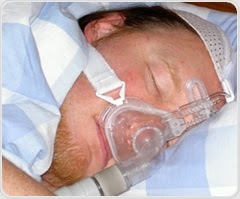
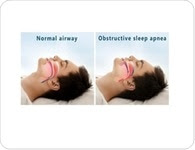
When you nourish your body with whole foods, anti-inflammation dietary supplements and regular exercise, you can fight insomia. Do cool your bedroom, remove your worries with repetitive mantra/prayer, darken your bedroom and when you cannot sleep, grab a bite of 1/2 tsp of peanut butter.
Taking physician-recommended sleep medications to treat insomnia may actually increase the risk of falling for older adults, according to a team of sleep researchers.
The U.S. Food and Drug Administration today approved a new treatment option for patients who have been diagnosed with moderate to severe central sleep apnea.
A device serving as a new treatment option for moderate to severe central sleep apnea has been approved for use by the U.S. Food and Drug Administration (FDA).
People with multiple sclerosis (MS) who underwent a non-invasive form of electrical brain stimulation experienced significant reductions in fatigue, a common and often debilitating symptom of the disease, according to new research from the Multiple Sclerosis Comprehensive Care Center at NYU Langone Health.
Menopause causes metabolic changes in the brain that may increase the risk of Alzheimer’s disease, a team from Weill Cornell Medicine and the University of Arizona Health Sciences has shown in new research.
Biological clocks are ticking everywhere throughout our body. They trigger the release of the hormone melatonin during sleep, favour the secretion of digestive enzymes at lunchtime or keep us awake at the busiest moments of the day.
To mark the clocks going back on the 29th October, new research by SunVit-D3, reveals that Brits are surprisingly unaware of the importance of Vitamin D and the effects it can have on us.