Affordable in home care | starts at $28 per hr

408-854-1883 starts at $30 per hr home care

When to worry about worrying

When to worry about worrying

strength training
Image: iStock

There is no shortage of things to worry about — from personal concerns about job security or health, to fears related to larger issues such as political conflicts or natural disasters. Temporary anxiety can be a healthy response to uncertainty and danger, but constant worry and nervousness may be a sign of generalized anxiety disorder.

Get your copy of Coping with Anxiety and Stress Disorders

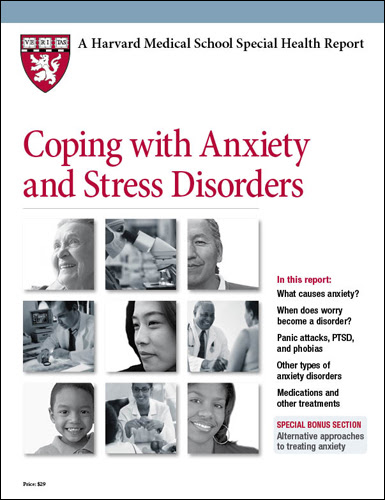
Coping with Anxiety and Stress Disorders
Everyone worries or gets scared sometimes. But if you feel extremely worried or afraid much of the time, or if you repeatedly feel panicky, you may have an anxiety disorder. Anxiety disorders are among the most common mental illnesses, affecting roughly 40 million American adults each year. Thankfully, never before have there been so many therapies to help control anxiety. This report will provide up-to-date information on these treatments.

Read More

Do I have generalized anxiety disorder?

You’ll need your doctor’s help to know for sure, but while other types of anxiety disorders arise from particular situations, generalized anxiety disorder is characterized by debilitating worry and agitation about nothing in particular, or anything at all.

People with generalized anxiety disorder tend to worry about everyday matters. They can’t shake the feeling that something bad will happen and they will not be prepared. They may worry to excess about missing an appointment, losing a job, or having an accident. Some people even worry about worrying too much.

Physical symptoms are common too, and can include a racing heart, dry mouth, upset stomach, muscle tension, sweating, trembling, and irritability. These bodily expressions of anxiety can have a negative effect on physical health. For example, people with generalized anxiety disorder are at greater risk for heart attack and other cardiovascular problems.

Taming anxiety

If you have generalized anxiety disorder, therapy — particularly cognitive behavioral therapy (CBT) — can help. CBT helps people recognize when they are misinterpreting events, exaggerating difficulties, or making unnecessarily pessimistic assumptions, and offers new ways to respond to anxiety-provoking situations.

For some people, medications can be an important part of treatment. Commonly prescribed drugs include antidepressants, such as selective serotonin reuptake inhibitors (like Prozac or Zoloft), or dual serotonin and norepinephrine reuptake inhibitors (like Effexor or Cymbalta). These drugs take longer to work than the traditional anti-anxiety drugs, but also may provide greater symptom relief over time.

Symptoms of generalized anxiety disorder

  • Persistent, excessive worry about several different things for at least six months
  • Fatigue, difficulty sleeping, or restlessness
  • Trouble concentrating
  • Irritability
  • Muscle tension
  • Feeling tense or “on edge”

Only your doctor can determine whether you meet the criteria for generalized anxiety disorder. If you think you might have this condition, don’t hesitate to talk to your primary care doctor. There are many different treatments that can ease the very real discomfort of this condition.

For more on diagnosing and treating anxiety and phobias, buy Coping with Anxiety and Stress Disorders, a Special Health Report from Harvard Medical School.

Share this story:
Share on Facebook Share on Twitter

Treating anxiety without medication

effective strength training
Image: iStock

If you suffer from anxiety, the constant, nagging feelings of worry can be troubling and hard to control. These feelings are usually intense and out of proportion to the actual troubles and dangers in your everyday life. They can make it hard to function at home, at work, or in social situations.

Anxiety can be treated with medication, but several mind-body approaches may also be effective.

Hypnosis is sometimes used along with cognitive behavioral therapy to treat anxiety. It can help people focus their attention, rethink problems, relax, and respond to helpful suggestions. Hypnosis relies mainly on your ability to concentrate and on the trust you have in the therapist. If you are interested in hypnosis, discuss it first with your psychiatrist or psychologist. She or he can help you find a qualified practitioner.

Biofeedback measures specific body functions, such as heartbeat or breathing, and feeds this information back to you in the form of sounds or lights. This can help you become aware of your body’s responses and learn to control them using relaxation and cognitive techniques. You can practice different relaxation techniques while attached to biofeedback equipment and get immediate sensory input about which techniques produce the desired results, such as slowing the heart rate or relaxing tense muscles. The hope is that this extra feedback helps people find — and refine — techniques that can calm the body and reduce anxiety.

Other relaxation techniques that may ease anxiety include deep (diaphragmatic) breathing, visualization, and body scanning.

Deep breathing

To practice this technique, begin by finding a comfortable, quiet place to sit or lie down. Start by observing your breath. First, take a normal breath. Now try taking a slow, deep breath. The air coming in through your nose should feel as though it moves downward into your lower belly. Let your abdomen expand fully. Now breathe out through your mouth (or your nose, if that feels more natural). Alternate normal and deep breaths several times. Pay attention to how you feel when you inhale and exhale normally and when you breathe deeply. Shallow breathing often feels tense and constricted, while deep breathing produces relaxation.

Continue this for several minutes. Put one hand on your abdomen, just below your belly button. Feel your hand rise about an inch each time you inhale and fall about an inch each time you exhale. Your chest will rise slightly, too, in concert with your abdomen. Remember to relax your belly so that each inhalation expands it fully.

Try to practice this breathing technique for 15 to 20 minutes every day. You might also try shorter bouts lasting a few minutes when anxiety begins to build, to see if this feels calming.

Published by connie dello buono

Connie Dello Buono is based in Sunnyvale California. Her first ebook is about women's health, Birthing Ways Healing Ways and her recent one is about cancer prevention, Curated Healing Ways. She had helped women have holistic childbirth as childbirth educator, founded Motherhealth, to serve seniors in the bay area with holistic caregivers and blogs at www.clubalthea.com with more than 10,000 health and finance related posts. Connie trains her own caregivers, which are the favorites of most bay area seniors who are home bound and alone. She is active in the rehab and nursing facilities, volunteering on music and movement for seniors. She is a member of Lion's club and offered scholarships to students in the Philippines. She is active at churchinsunnyvale.us and has Fridays Bible home study in Sunnyvale using the recovery version of the Bible , free at biblesforamerica.us She loves dancing and teaching and her courses can be found at https://teachclub.com/@thriveafter60 She is California Life Insurance licensed providing life insurance for older adults with health issues and helping women retire safely with income for life. at menloassetca.com , she helps with 401k rollover. 3 Benefit plans - Mortgage protection using term life insurance to pay for mortgage balance in event of death - Final Expense plan using Single Issue Whole Life Insurance, with cash back, disability benefit and guaranteed in the presence of health issues - Fixed Index Annuity retirement plan for safe, accessibility, less fees, less taxes, avoids probate as it goes directly to beneficiaries, rate of return with no downside market participation. She brings compassion and understanding to the needs of her clients, bringing holistic approach in health and life insurance. Her goal is to free families from worries especially during covid with caregivers and life insurance in the presence of health issues, especially for women. She can be reached at 408-854-1883 , motherhealth@gmail.com

Leave a Reply

This site uses Akismet to reduce spam. Learn how your comment data is processed.

Discover more from Affordable in home care | starts at $28 per hr

Subscribe now to keep reading and get access to the full archive.

Continue reading