
Source: Home care quality data
Death with Opioids pain killer, Dr Mercola
Omega-3 Fatty Acids Fight Inflammation via Cannabinoids
Omega-3 Fatty Acids Fight Inflammation via Cannabinoids
Summary: A new study in PNAS reveals how the body converts omega 3 fatty acids into endocannabinoids, which can have anti-inflammatory effects.
Source: University of Illinois.
Chemical compounds called cannabinoids are found in marijuana and also are produced naturally in the body from omega-3 fatty acids. A well-known cannabinoid in marijuana, tetrahydrocannabinol, is responsible for some of its euphoric effects, but it also has anti-inflammatory benefits. A new study in animal tissue reveals the cascade of chemical reactions that convert omega-3 fatty acids into cannabinoids that have anti-inflammatory benefits – but without the psychotropic high.
The findings are published in the Proceedings of the National Academy of Sciences.
Foods such as meat, eggs, fish and nuts contain omega-3 and omega-6 fatty acids, which the body converts into endocannabinoids – cannabinoids that the body produces naturally, said Aditi Das, a University of Illinois professor of comparative biosciences and biochemistry, who led the study. Cannabinoids in marijuana and endocannabinoids produced in the body can support the body’s immune system and therefore are attractive targets for the development of anti-inflammatory therapeutics, she said.
In 1964, the Israeli chemist Raphael Mechoulam was the first to discover and isolate THC from marijuana. To test whether he had found the compound that produces euphoria, he dosed cake slices with 10 milligrams of pure THC and gave them to willing friends at a party. Their reactions, from nonstop laughter, to lethargy, to talkativeness, confirmed that THC was a psychotropic cannabinoid.

It wasn’t until 1992 that researchers discovered endocannabinoids produced naturally in the body. Since then, several other endocannabinoids have been identified, but not all have known functions.
Cannabinoids bind to two types of cannabinoid receptors in the body – one that is found predominantly in the nervous system and one in the immune system, Das said.
“Some cannabinoids, such as THC in marijuana or endocannabinoids can bind to these receptors and elicit anti-inflammatory and anti-pain action,” she said.
“Our team discovered an enzymatic pathway that converts omega-3-derived endocannabinoids into more potent anti-inflammatory molecules that predominantly bind to the receptors found in the immune system,” Das said. “This finding demonstrates how omega-3 fatty acids can produce some of the same medicinal qualities as marijuana, but without a psychotropic effect.”
ABOUT THIS NEUROSCIENCE RESEARCH ARTICLE
The study was an interdisciplinary effort led by recent comparative biosciences alumnus Daniel McDougle and supported by current biochemistry graduate student Josephine Watson. The team included U. of I. animal sciences professor Rodney Johnson; U. of I. bioengineering professor Kristopher Kilian; Michael Holinstat, of the University of Michigan; and Lucas Li, the director of the Metabolomics Center at the Roy J. Carver Biotechnology Center at Illinois.
Das also is an affiliate of the Beckman Institute for Advanced Science and Technology at Illinois.
Funding: The National Institutes of Health and the American Heart Association supported this research.
Source: Aditi Das – University of Illinois
Image Source: NeuroscienceNews.com image is in the public domain.
Original Research: Abstract for “Anti-inflammatory ω-3 endocannabinoid epoxides” by Daniel R. McDougle, Josephine E. Watson, Amr A. Abdeen, Reheman Adili, Megan P. Caputo, John E. Krapf, Rodney W. Johnson, Kristopher A. Kilian, Michael Holinstat, and Aditi Das in PNAS. Published online July 7 2017 doi:10.1073/pnas.1610325114
CITE THIS NEUROSCIENCENEWS.COM ARTICLE
University of Illinois “Omega-3 Fatty Acids Fight Inflammation via Cannabinoids.” NeuroscienceNews. NeuroscienceNews, 19 July 2017.
<http://neurosciencenews.com/inflammation-omega-3-cannabinoids-7130/>.
<http://neurosciencenews.com/inflammation-omega-3-cannabinoids-7130/>.
Abstract
Anti-inflammatory ω-3 endocannabinoid epoxides
Clinical studies suggest that diets rich in ω-3 polyunsaturated fatty acids (PUFAs) provide beneficial anti-inflammatory effects, in part through their conversion to bioactive metabolites. Here we report on the endogenous production of a previously unknown class of ω-3 PUFA–derived lipid metabolites that originate from the crosstalk between endocannabinoid and cytochrome P450 (CYP) epoxygenase metabolic pathways. The ω-3 endocannabinoid epoxides are derived from docosahexaenoic acid (DHA) and eicosapentaenoic acid (EPA) to form epoxyeicosatetraenoic acid-ethanolamide (EEQ-EA) and epoxydocosapentaenoic acid-ethanolamide (EDP-EA), respectively. Both EEQ-EAs and EDP-EAs are endogenously present in rat brain and peripheral organs as determined via targeted lipidomics methods. These metabolites were directly produced by direct epoxygenation of the ω-3 endocannabinoids, docosahexanoyl ethanolamide (DHEA) and eicosapentaenoyl ethanolamide (EPEA) by activated BV-2 microglial cells, and by human CYP2J2. Neuroinflammation studies revealed that the terminal epoxides 17,18-EEQ-EA and 19,20-EDP-EA dose-dependently abated proinflammatory IL-6 cytokines while increasing anti-inflammatory IL-10 cytokines, in part through cannabinoid receptor-2 activation. Furthermore the ω-3 endocannabinoid epoxides 17,18-EEQ-EA and 19,20-EDP-EA exerted antiangiogenic effects in human microvascular endothelial cells (HMVEC) and vasodilatory actions on bovine coronary arteries and reciprocally regulated platelet aggregation in washed human platelets. Taken together, the ω-3 endocannabinoid epoxides’ physiological effects are mediated through both endocannabinoid and epoxyeicosanoid signaling pathways. In summary, the ω-3 endocannabinoid epoxides are found at concentrations comparable to those of other endocannabinoids and are expected to play critical roles during inflammation in vivo; thus their identification may aid in the development of therapeutics for neuroinflammatory and cerebrovascular diseases.
“Anti-inflammatory ω-3 endocannabinoid epoxides” by Daniel R. McDougle, Josephine E. Watson, Amr A. Abdeen, Reheman Adili, Megan P. Caputo, John E. Krapf, Rodney W. Johnson, Kristopher A. Kilian, Michael Holinstat, and Aditi Das in PNAS. Published online July 7 2017 doi:10.1073/pnas.1610325114
Blood Test Identifies Key Alzheimer’s Marker
Summary: Researchers have devised a new blood test that can detect if amyloid had begun to accumulate in the brain. The test help physicians diagnose Alzheimer’s disease in a cheaper, less invasive way than currently available. The researchers will present their findings at the Alzheimer’s Association International Conference in London.
Source: WUSTL.
Study findings are significant step in predicting disease risk.
Decades before people with Alzheimer’s disease develop memory loss and confusion, their brains become dotted with plaques made of a sticky protein – called amyloid beta – that is thought to contribute to the disease and its progression.
Currently, the only way to detect amyloid beta in the brain is via PET scanning, which is expensive and not widely available, or a spinal tap, which is invasive and requires a specialized medical procedure. But now, a study led by researchers at Washington University School of Medicine in St. Louis suggests that measures of amyloid beta in the blood have the potential to help identify people with altered levels of amyloid in their brains or cerebrospinal fluid.
Ideally, a blood-based screening test would identify people who have started down the path toward Alzheimer’s years before they could be diagnosed based on symptoms.
“Our results demonstrate that this amyloid beta blood test can detect if amyloid has begun accumulating in the brain,” said Randall J. Bateman, MD, the Charles F. and Joanne Knight Distinguished Professor of Neurology and the study’s senior author. “This is exciting because it could be the basis for a rapid and inexpensive blood screening test to identify people at high risk of developing Alzheimer’s disease.”
The findings will be announced July 19 at the Alzheimer’s Association International Conference in London and published online in the journal Alzheimer’s and Dementia.
As the brain engages in daily tasks, it continually produces and clears away amyloid beta. Some is washed into the blood, and some floats in the cerebrospinal fluid, for example. If amyloid starts building up, though, it can collect into plaques that stick to neurons, triggering neurological damage.
A blood test would be cheaper and less invasive than PET scans or spinal taps, but previous studies have found that measures of total levels of amyloid beta in the blood don’t correlate with levels in the brain.
So Bateman and colleagues measured blood levels of three amyloid subtypes – amyloid beta 38, amyloid beta 40 and amyloid beta 42 — using highly precise measurement by mass spectrometry to see if any correlated with levels of amyloid in the brain.
The researchers studied 41 people ages 60 and older. Twenty-three were amyloid-positive, meaning they had signs of cognitive impairment. PET scans or spinal taps in these patients also had detected the presence of amyloid plaques in the brain or amyloid alterations in the cerebrospinal fluid. The researchers also measured amyloid subtypes in 18 people who had no buildup of amyloid in the brain.
To measure amyloid levels, production and clearance over time, the researchers drew 20 blood samples from each person over a 24-hour period. They found that levels of amyloid beta 42 relative to amyloid beta 40 were consistently 10 to 15 percent lower in the people with amyloid plaques.
“Amyloid plaques are composed primarily of amyloid beta 42, so this probably means that it is being deposited in the brain before moving into the bloodstream,” Bateman said.
“The differences are not big, but they are highly consistent,” he explained. “Our method is very sensitive, and particularly when you have many repeated samples as in this study — more than 500 samples overall — we can be highly confident that the difference is real. Even a single sample can distinguish who has amyloid plaques.”
By averaging the ratio of amyloid beta 42 to amyloid beta 40 over each individual’s 20 samples, the researchers could classify people accurately as amyloid-positive or -negative 89 percent of the time. On average, any single time point was also about 86 percent accurate.
Amyloid plaques are one of the two characteristic signs of Alzheimer’s disease; the other sign is the presence of tangles of a brain protein known as tau. David Holtzman, MD, the Andrew B. and Gretchen P. Jones Professor and head of the Department of Neurology at the School of Medicine, is developing a blood-based test for tau that could complement the amyloid test.
“If we had a blood test for tau as well, we could combine them to get an even better idea of who is most at risk of developing Alzheimer’s disease,” Bateman said. “That would be a huge step forward in our ability to predict, and maybe even prevent, Alzheimer’s disease.”
Healthy Heart in 20s Means Healthy Brain in 40s
Healthy Heart in 20s Means Healthy Brain in 40s
Source: AAN.
People who take simple steps to keep their heart healthy in young adulthood, such as exercising, eating a healthy diet and controlling blood pressure and cholesterol, may keep their brain from shrinking decades later. People who take care of their heart health in young adulthood may have larger brains in middle-age, compared to people who do not take care of their heart health, according to a study published in the July 19, 2017, online issue of Neurology.
“We know that when people take certain steps like exercising and eating well, they have healthier hearts,” said study author Michael Bancks, PhD, of Northwestern University Feinberg School of Medicine in Chicago. “The American Heart Association created seven simple steps everyone can take to improve heart health called Life’s Simple 7 and recent research has shown that people who score higher on that assessment also score higher on thinking tests. We wanted to see if maintaining a healthy heart, as defined by these seven factors, affected the physical make-up of the brain as well.”
The American Heart Association’s Life’s Simple 7 includes the following factors: maintaining a healthy blood pressure, controlling cholesterol, reducing blood sugar, being active, eating better, losing weight and stopping smoking.
For the study, researchers looked at data on 518 people with an average age of 51 who had been followed for 30 years. Participants were initially screened for height, weight, blood pressure, cholesterol, blood sugar, and interviewed about diet and exercise. They then received follow-up exams every two to five years and also had brain scans 25 years after starting the study.
Researchers scored each participant on how well they followed each of the seven steps to heart health at the start of the study and then at year 25, giving participants zero points for poor adherence, one point for intermediate and two points for ideal, with total scores ranging from zero to 14. Scores of zero to seven were considered poor adherence, eight to 11 were intermediate and 12 to 14 were ideal. At the beginning of the study, 5 percent had poor adherence, 62 percent intermediate and 33 percent ideal. By year 25, 26 percent had poor adherence, 58 percent had intermediate and 16 percent had ideal.
They found that people who had better heart health scores at the beginning of the study had a higher average brain volume as a percentage of their total head size in middle age. This was also true for people who had a better average of the beginning score and the score at year 25.
Bancks said that every point increase in the Life’s Simple 7 score was roughly equivalent to one year of aging in the amount of brain shrinkage that occurred.
There was a stronger association between current smoking and smaller brain volume than other factors.
“These findings are exciting because these are all changes that anyone can make at a young age to help themselves live a long and healthy life,” Bancks said. “This may mean that heart health may have an impact on brain function in early life, but more study needs to be done to confirm this theory.”
The data used for this study was pulled from the larger Coronary Artery Risk Development in Young Adults Study (CARDIA).
Limitations of this study include that brain imaging was only conducted at one point in life. It is also unclear if heart health affects brain size or if brain size in early age may influence behaviors affecting heart health.
Death with Opioids pain killer, Dr Mercola
Adolescents Are 33 Percent More Likely to Misuse Opioids as Young Adults
Part three of the documentary tells the story of Brendan Cole from Allendale, New Jersey. The teen was prescribed opioid painkillers after having a cyst surgically removed. Four years later he died of a heroin overdose. Before his death, Cole overdosed on heroin but was revived with Narcan after his dad woke in the middle of the night to find his son lying in an unnatural position on his bed.
His lips were turning blue and “we heard the air come out of his lungs when we moved him,” said his parents tearfully. Narcan, or naloxone, is an overdose-reversal drug. It’s made by Amphastar Pharmaceuticals, which began what appears to be a clear case of price gouging, raising the cost of Narcan by as much as 100 percent.
Cole recovered from the overdose, but the hospital failed to warn his family that patients revived with Narcan may experience intense cravings and withdrawal symptoms. As a result, no plan was put in place to help Cole overcome the cravings that would soon follow. The very next day, Cole overdosed again, and this time he could not be revived.
5In people with little drug experience, scientists theorize that “the initial experience of pain relief is pleasurable, and a safe initial experience with opioids may reduce perceived risk.”
Synthetic Opioids Sold Via ‘Dark Web’ Implicated in Growing Number of Overdose Deaths
In addition to prescription opioids, another threat looms: synthetic (and illegal) opioids sold through the dark web — the secret underbelly of the internet, initially created by American intelligence agencies for encrypted communication purposes. A recent piece by The New York Times6 sheds light on an emerging illicit drug trade involving dangerous synthetic opioids that are being shipped into the U.S. via small packages in the mail.
The report reveals “that most of the illicit supply of synthetic opioids is produced in labs in Asia and especially China, where many of the precursor chemicals are either legal or easier to procure.” The synthetic opioids are said to be so potent that they “have become the fastest-growing cause of the overdose epidemic, overtaking heroin in some areas,” reports the Times.
Synthetic opioids being shipped overseas include fentanyl, the infamous drug responsible for pop icon Prince’s death. Fentanyl is so potent that two milligrams is enough to kill and, unlike prescription pills, “enough fentanyl to get nearly 50,000 people high can fit in a standard first-class envelope,” the report warns.
Synthetic opioids obtained through the internet are responsible for the deaths of two teenagers from Park City, Utah. Grant Seaver and Ryan Ainsworth, both 13 years old, died after taking a synthetic opioid known as U-47700, or Pinky. The boys reportedly obtained the drug from another teen who purchased them on the dark web using bitcoin. While synthetic opioids account for a small portion of overall trafficked drugs, law enforcement says “that dark web markets have quickly assumed a more prominent and frightening role.”
Opioids Actually Alter Your Brain Structure
Studies also suggest that drugs for physical and emotional pain may change your brain. In a study by researchers at the University of Alabama, people with chronic low back pain received either morphine or a placebo daily for one month. Both groups experienced similar reductions in pain, but there was a major difference among those taking morphine — changes in the brain.
Magnetic resonance imaging (MRI) scans showed the patients taking morphine had a 3 percent reduction in gray matter volume over the course of the study. The reductions occurred in regions of the brain that regulate emotions, cravings and pain response.7
Further, the morphine group had increases in gray matter volume in areas related to learning, memory and executive function. Lead study author Joanne Lin told Reuters,8 “Because we are seeing that opioids rapidly change the brain, our take-home message is that opioids should be reserved for cases when most other treatment options have failed.”
Millions of Taxpayer Dollars Used for Opioid Prescriptions
The Centers for Medicare & Medicaid Services (CMS) is a branch of the Department of Health and Human Services. CMS runs the Medicare program and monitors Medicaid programs run by the states. According to the Office of the Inspector General (OIG), spending on opioids in the Medicare system, which is funded by U.S. tax dollars through Medicare trust funds, grew at a faster rate than spending for all drugs.
Data from the OIG shows that between 2006 and 2014, the number of Medicare recipients on opioids grew by 92 percent, compared to 68 percent for all drugs. Medicare recipients are also receiving multiple prescriptions for opioids for reasons other than cancer pain or terminal illness, the traditional uses for these strong medications.
Medicaid programs, supported by taxpayers but administered by states, also reveal excessive opioid use and probable fraud.9 In 2010, 359,368 Medicaid enrollees received an opioid prescription amounting to over 2 million prescriptions, and again suggesting many prescriptions per patient.10
While Medicaid programs likely provide generic combinations of the active ingredient in OxyContin, hydrocodone, to patients, which costs about $28 for a 120-day supply (compared with $632 for the brand name OxyContin),11 taxpayers are still paying at least $56 million for Medicaid opioid prescriptions. The cost of the opioid prescriptions does not take into consideration state-run drug treatment programs and services that are required if and when enrollees become addicted.
OxyContin Manufacturer Pays One of the Largest Pharma Settlements in US History
In December 2015, Purdue Pharmaceuticals, the maker of OxyContin, settled an ongoing lawsuit brought by the state of Kentucky for $24 million over presenting OxyContin as “nonaddictive.”12 Purdue contended that the pill slowly releases the drug over 12 hours when swallowed, omitting the fact that, when crushed, OxyContin lost its time release protections and created an instant high.
“State officials said that led to a wave of addiction and increased medical costs across the state, particularly in eastern Kentucky where many injured coal miners were prescribed the drug,” reported The Associated Press.
The 2015 settlement is similar to one Purdue agreed to in 2007 with the state of West Virginia, when it agreed to pay out $634 million because “fraudulent conduct caused a greater amount of OxyContin to be available for illegal use than otherwise would have been available.”13 Despite the lawsuits, OxyContin remains on the market.
FDA Orders Drugmaker to Stop Selling Opioid Painkiller
Opioid manufacturer Endo Pharmaceuticals hasn’t been so lucky, however. In an unprecedented move by the Food and Drug Administration (FDA), health officials have ordered Endo to remove the opioid painkiller Opana ER from the market due to the conclusion that “the drug’s risks outweigh its benefits,” reported CBS News.14
“It’s the first time the FDA has asked a drugmaker to remove an opioid painkiller from the market,” CBS said. “The agency said it has seen a ‘significant shift’ from people crushing and snorting Opana ER to get high to injecting it.” If the drugmaker refuses to comply with the FDA’s request to pull the opioid from the market, the agency can begin a “formal process for rescinding its approval.”
Drug Companies Try to Cash in on Opioid Epidemic
While an increasing number of Americans suffer the devastating effects of opioid addiction, pharmaceutical companies are battling it out to become the top seller of addiction medications. As was highlighted in a recent NPR report,15 rather than working to make various effective treatments for opioid addiction more readily available to those who need it, the pharmaceutical industry is actively trying to stomp out its competitors by restricting access to important addiction medications.
One example of this includes the global biopharmaceutical company Alkermes and its non-opioid addiction medication, Vivitrol, a monthly injection that costs around $1,000. Alkermes, based in Waltham, Massachusetts, is working vigorously to promote its drug at the legislative level as a solution to our nation’s growing opioid epidemic — and while doing so (in some cases) is restricting access to other opioid addiction medications through policy that makes it harder for doctors to prescribe alternatives to Vivitrol.
“An investigation by NPR and Side Effects Public Media has found that in statehouses across the country, and in Congress, Alkermes is pushing Vivitrol while contributing to misconceptions and stigma about other medications used to treat opioid addiction,” NPR reports.
Experts disagree about which opioid addiction medications are most effective. Some argue opioid maintenance drugs like methadone and buprenorphine — both of which contain opioids — are fueling the opioid crisis due to their street value and the idea that offering them to addicts means replacing one opioid for another. Others argue that opioid maintenance medications relieve painful withdrawal symptoms and reduce or eliminate intense cravings.
Federal health agencies and the American Society of Addiction Medicine agree that “opioid abstinence can be dangerous,” says NPR. While there are no studies comparing Vivitrol to methadone or buprenorphine, Alkermes touts Vivitrol as the more effective, opioid-free solution.
Alkermes has significantly increased its spending on federal lobbying, spending $4.4 million in 2016 compared to less than $200,000 in 2010. “Last year, Vivitrol’s sales reached $209 million — up from just $30 million in 2011,” NPR reports, adding that Alkermes projects sales could reach $1 billion by 2021.
Treating Your Pain Without Drugs
While opioid painkillers may relieve pain temporarily, the addiction risks can quickly send you spiraling out of control down a dark and dangerous path. As shown in the film, many families touched by opioid addiction end up suffering for years before finally losing a loved one to addiction.
The good news is there are many natural alternatives to treating pain. It’s particularly important to avoid opioids when trying to address long-term chronic pain, as your body will create a tolerance to the drug. Over time, you may require greater doses at more frequent intervals to achieve the same pain relief. This is a recipe for disaster and could have lethal consequences. Following is information about non-drug remedies, dietary changes and bodywork interventions that can help you manage your pain.
|
Medical cannabis Medical marijuana has a long history as a natural analgesic and is now legal in 28 states. You can learn more about the laws in your state on medicalmarijuana.procon.org.16 |
|
Kratom Kratom (Mitragyna speciose) is a plant remedy that has become a popular opioid substitute.17 In August 2016, the DEA issued a notice saying it was planning to ban kratom, listing it as a Schedule 1 controlled substance. However, following massive outrage from kratom users who say opioids are their only alternative, the agency reversed its decision.18 Kratom is safer than an opioid for someone in serious and chronic pain. However, it’s important to recognize that it is a psychoactive substance and should be used carefully. There’s very little research showing how to use it safely and effectively, and it may have a very different effect from one person to the next. The other issue to address is that there are a number of different strains available with different effects. Also, while it may be useful for weaning people off opioids, kratom is in itself addictive. So, while it appears to be a far safer alternative to opioids, it’s still a powerful and potentially addictive substance. So please, do your own research before trying it. |
|
Low-Dose Naltrexone (LDN) Naltrexone is an opiate antagonist, originally developed in the early 1960s for the treatment of opioid addiction. When taken at very low doses LDN, available only by prescription, triggers endorphin production, which can boost your immune function and ease pain. |
|
Curcumin A primary therapeutic compound identified in the spice turmeric, curcumin has been shown in more than 50 clinical studies to have potent anti-inflammatory activity. Curcumin is hard to absorb, so best results are achieved with preparations designed to improve absorption. It is very safe and you can take two to three every hour if you need to. |
|
Astaxanthin One of the most effective oil-soluble antioxidants known, astaxanthin has very potent anti-inflammatory properties. Higher doses are typically required for pain relief, and you may need 8 milligrams or more per day to achieve results. |
|
Also known as boswellin or “Indian frankincense,” this herb contains powerful anti-inflammatory properties, which have been prized for thousands of years. This is one of my personal favorites, as it worked well for many of my former rheumatoid arthritis patients. |
|
This protein-digesting enzyme, found in pineapples, is a natural anti-inflammatory. It can be taken in supplement form, but eating fresh pineapple may also be helpful. Keep in mind most of the bromelain is found within the core of the pineapple, so consider eating some of the pulpy core when you consume the fruit. |
|
Cayenne cream Also called capsaicin cream, this spice comes from dried hot peppers. It alleviates pain by depleting your body’s supply of substance P, a chemical component of nerve cells that transmit pain signals to your brain. |
|
Cetyl myristoleate (CMO) This oil, found in dairy butter and fish, acts as a joint lubricant and anti-inflammatory. I have used a topical preparation of CMO to relieve ganglion cysts and a mild case of carpal tunnel syndrome. |
|
Evening primrose, black currant and borage oils These oils contain the fatty acid gamma-linolenic acid, which is useful for treating arthritic pain. |
|
Ginger This herb is anti-inflammatory and offers pain relief and stomach-settling properties. Fresh ginger works well steeped in boiling water as a tea, or incorporated into fresh vegetable juice. |
Dietary Changes to Fight Inflammation and Manage Your Pain
Unfortunately, physicians often fall short when attempting to effectively treat chronic pain, resorting to the only treatment they know: prescription drugs. While these drugs may bring some temporary relief, they will do nothing to resolve the underlying causes of your pain. If you suffer from chronic pain, making the following changes to your diet may bring you some relief.
| Consume more animal-based omega-3 fats. Similar to the effects of anti-inflammatory pharmaceutical drugs, omega-3 fats from fish and fish oils work to directly or indirectly modulate a number of cellular activities associated with inflammation. While drugs have a powerful ability to inhibit your body’s pain signals, omega-3s cause a gentle shift in cell signaling to bring about a lessened reactivity to pain.
Eating healthy seafood like anchovies or sardines, which are low in environmental toxins, or taking a high-quality supplement such as krill oil are your best options for obtaining omega-3s. DHA and EPA, the omega-3 oils contained in krill oil, have been found in many animal and clinical studies to have anti-inflammatory properties, which are beneficial for pain relief. |
| Radically reduce your intake of processed foods. Processed foods not only contain chemical additives and excessive amounts of sugar, but also are loaded with damaging omega-6 fats. By eating these foods, especially fried foods, you upset your body’s ratio of omega-3 to omega-6 fatty-acids, which triggers inflammation. Inflammation is a key factor in most pain. |
| Eliminate or radically reduce your consumption of grains and sugars. Avoiding grains and sugars, especially fructose, will lower your insulin and leptin levels. Elevated insulin and leptin levels are some of the most profound stimulators of inflammatory prostaglandin production, which contributes to pain.
While healthy individuals are advised to keep their daily fructose consumption below 25 grams from all sources, you’ll want to limit your intake to 15 grams per day until your pain is reduced. Eating sugar increases your uric acid levels, which leads to chronic, low-level inflammation. |
| Optimize your production of vitamin D. As much as possible, regulate your vitamin D levels by regularly exposing large amounts of your skin to sunshine. If you cannot get sufficient sun exposure, taking an oral vitamin D3 supplement, along with vitamin K2 and magnesium, is highly advisable.
Research by GrassrootsHealth suggests adults need about 8,000 IUs per day to achieve a serum level of 40 ng/ml, but you may need even more. It’s best to get your blood level tested to be sure you’re safely within the therapeutic range. |
Bodywork Methods That Reduce Pain
Due to the inherent risks of addiction and the other unpleasant side effects of prescription painkillers, I recommend you pursue one or more of the following bodywork methods before taking a narcotic for pain. Each one has been demonstrated to be an effective treatment for lasting pain relief and management.
•Acupuncture: According to The New York Times,19 an estimated 3 million American adults receive acupuncture annually, most often for the treatment of chronic pain. A study20 published in the Archives of Internal Medicine concluded acupuncture has a definite effect in reducing four types of chronic pain, including back and neck pain, chronic headache, osteoarthritis and shoulder pain — more so than standard pain treatment.
•Chiropractic adjustments: While previously used most often to treat back pain, chiropractic treatment addresses many other problems — including asthma, carpal tunnel syndrome, fibromyalgia, headaches, migraines, musculoskeletal pain, neck pain and whiplash. According to a study21 published in the Annals of Internal Medicine, patients with neck pain who used a chiropractor and/or exercise were more than twice as likely to be pain-free in 12 weeks compared to those who took medication.
•Massage: Massage releases endorphins, which help induce relaxation, relieve pain and reduce levels of stress chemicals such as cortisol and noradrenaline. A systematic review and meta-analysis22 published in the journal Pain Medicine, included 60 high-quality and seven low-quality studies that looked into the use of massage for various types of pain, including bone and muscle, fibromyalgia, headache and spinal-cord pain.
The study revealed massage therapy relieves pain better than getting no treatment at all. When compared to other pain treatments like acupuncture and physical therapy, massage therapy still proved beneficial and had few side effects. In addition to relieving pain, massage therapy also improved anxiety and health-related quality of life.
•Emotional Freedom Techniques (EFT): EFT continues to be one of the easiest and most effective ways to deal with acute and chronic pain. The technique is simple and can be applied in mere minutes, helping you to overcome all kinds of bodily aches and pains. A study23 published in Energy Psychology examined the levels of pain in a group of 50 people attending a three-day EFT workshop, and found their pain dropped by 43 percent during the workshop.
Six weeks later, their pain levels were reported to be 42 percent lower than before the workshop. As a result of applying EFT, participants felt they had an improved sense of control and ability to cope with their chronic pain. In the video featured below, EFT expert Julie Schiffman, teaches you how to use EFT to address chronic pain.
Join Keirstead for Congress and tell Rep. Rohrabacher he must fully disclose his ties to Russia
when a Russian government-backed lawyer met with Donald Trump Jr. and other Trump campaign officials in June 2016, there was someone else in the room: A former Soviet intelligence officer and lobbyist with strong ties to Congressman Dana Rohrabacher.
ADD YOUR NAME
Before Russian lobbyist Rinat Akhmentshin attended the now-infamous Trump Jr. meeting, he met with Rep. Rohrabacher multiple times in both the U.S. and Berlin. Rep. Rohrabacher then argued against a global anti-corruption bill in Congress that was opposed by the Russian government.
It’s clear that the people of Orange County haven’t been a priority for Rep. Rohrabacher for some time. But now, after being influenced by Russian intelligence officials who may have also been involved in the attack on our elections, he must tell the entire truth about his dealings with Russia.
ADD YOUR NAME
The new revelations are just the latest in a disturbing pattern of Rep. Rohrabacher advocating for Russian interests and defending Vladimir Putin:
- Rep. Rohrabacher OPPOSED sanctions on Russia, even after the invasion of Crimea and the supplying of weapons to Syrian dictator Bashar Al-Assad.
- Rep. Rohrabacher DEFENDED Russian dictator Vladimir Putin, saying it’s “baloney” that the Russian government violates human rights.
- Rep Rohrabacher USED propaganda he received directly from the Russian government to change the Magnitsky Act, a global anti-corruption bill.
There is unmistakable evidence that the Russian government attacked our election system in 2016 with the specific aim of helping Donald Trump’s campaign. With new information every day about the possibility that the Trump campaign colluded with Russian agents in that attack, it’s more important than ever that Rep. Rohrabacher come clean.
ADD YOUR NAME
Join Keirstead for Congress and tell Rep. Rohrabacher it’s time for him to tell the whole truth about his ties to the Russian government, Vladimir Putin, and agents involved in the attack on our elections.
Keep fighting,
Keirstead for Congress
Mike Pence is calling for a full repeal of Obamacare — without replacing it with ANYTHING!
Sign on to save Obamacare →
|
||
| connie, the collapse of Trumpcare doesn’t mean healthcare in America is any safer.
Now, extremists like Vice President Mike Pence are pushing to REPEAL Obamacare without offering any replacement!
By voting to repeal Obamacare without offering any replacement, 18 million people would lose their health insurance coverage. On top of that, experts predict a rise in premiums by 20-25%![1] We must fight back against these ridiculous attacks on our healthcare system — or millions will suffer the consequences. Sign your name right away to STOP Mike Pence and protect Obamacare:
We believe that access to healthcare is worth more than the cheap political points Pence seeks for dismantling Obama’s legacy. But Pence and Trump have both smeared Obamacare again and again — even LYING about it’s success to push their backwards agenda. They’ve both referred to Obamacare as “failed” and a “nightmare.” But in reality, this legislation has provided healthcare to over 20 million Americans and dropped uninsurance rates drastically.We can’t let Pence’s lies jeopardize the wellbeing of millions. Join us as we take action today to STOP Pence from repealing Obamacare: http://go.fightforequality.org/Stop-Obamacare-RepealStand with us, Equality PAC |


Home care quality data
The quality of care for home health shows in the health of the patient, adherence to medications, regular bowel movement, adequate sleep, regular exercise, and overall health with preventive measures for emergencies.
Email motherhealth@gmail.com what benchmarks or measures are important to you with regards to home health care of your parents.
Current data collection periods
| Home health compare quality measures | Current data collection period | ||
|---|---|---|---|
| From | Through | ||
| Quality of patient care | |||
| Managing daily activities | |||
| How often patients got better at walking or moving around | January 1, 2016 | December 31, 2016 | |
| How often patients got better at getting in and out of bed | January 1, 2016 | December 31, 2016 | |
| How often patients got better at bathing | January 1, 2016 | December 31, 2016 | |
| Managing pain and treating symptoms | |||
| How often the home health team checked patients for pain | January 1, 2016 | December 31, 2016 | |
| How often the home health team treated their patients’ pain | January 1, 2016 | December 31, 2016 | |
| How often patients had less pain when moving around | January 1, 2016 | December 31, 2016 | |
| How often the home health team treated heart failure (weakening of the heart) patients’ symptoms | January 1, 2016 | December 31, 2016 | |
| How often patients’ breathing improved | January 1, 2016 | December 31, 2016 | |
| How often patients’ wounds improved or healed after an operation | January 1, 2016 | December 31, 2016 | |
| Preventing harm | |||
| How often the home health team began their patients’ care in a timely manner | January 1, 2016 | December 31, 2016 | |
| How often the home health team taught patients (or their family caregivers) about their drugs | January 1, 2016 | December 31, 2016 | |
| How often patients got better at taking their drugs correctly by mouth | January 1, 2016 | December 31, 2016 | |
| How often the home health team checked patients’ risk of falling | January 1, 2016 | December 31, 2016 | |
| How often the home health team checked patients for depression | January 1, 2016 | December 31, 2016 | |
| How often the home health team made sure that their patients have received a flu shot for the current flu season | January 1, 2016 | December 31, 2016 | |
| How often the home health team made sure that their patients have received a pneumococcal vaccine (pneumonia shot) | January 1, 2016 | December 31, 2016 | |
| For patients with diabetes, how often the home health team got doctor’s orders, gave foot care, and taught patients about foot care | January 1, 2016 | December 31, 2016 | |
| Preventing unplanned hospital care | |||
| How often home health patients had to be admitted to the hospital | October 1, 2015 | September 30, 2016 | |
| How often patients receiving home health care needed any urgent, unplanned care in the hospital emergency room – without being admitted to the hospital | October 1, 2015 | September 30, 2016 | |
| How often home health patients, who have had a recent hospital stay, had to be re-admitted to the hospital | October 1, 2013 | September 30, 2016 | |
| How often home health patients, who have had a recent hospital stay, received care in the hospital emergency room without being re-admitted to the hospital | October 1, 2013 | September 30, 2016 | |
| Patient survey results | |||
| How often the home health team gave care in a professional way | January 2016 | December 2016 | |
| How well did the home health team communicate with patients | January 2016 | December 2016 | |
| Did the home health team discuss medicines, pain, and home safety with patients | January 2016 | December 2016 | |
| How do patients rate the overall care from the home health agency | January 2016 | December 2016 | |
| Would patients recommend the home health agency to friends and family | January 2016 | December 2016 | |
https://www.medicare.gov/HomeHealthCompare/Data/Current-Data-Collection-Periods.html#
Health Care and Education for All
It’s time for the Democratic Party to embrace a bold vision to create a country that works for everyone — not just the very wealthy and the very privileged. Wouldn’t you agree?
That’s why Democracy for America is joining Our Revolution and dozens of other grassroots progressive organizations to launch a Summer for Progress in support of a People’s Platform — eight revolutionary pieces of progressive legislation that we will be pushing every single Democrat in Congress to embrace and champion.
The demise of Trumpcare is a perfect demonstration of what a powerful, populist progressive uprising can accomplish when it focuses on helping working families.
Now, we need to build on this momentum — and pressure the Democratic Party to show us what it stands FOR, not just what it is willing to fight AGAINST.
The eight pieces of legislation that make up the core of the People’s Platform each embody an important part of the Democratic Party’s platform:
- Health Care for All: H.R. 676 Medicare for All Act
- Education for All: H.R. 1880 College for All Act of 2017
- Workers’ Rights: H.R. 15 Raise the Wage Act
- Women’s Rights: H.R. 771 Equal Access to Abortion Coverage in Health Insurance (EACH Woman) Act of 2017
- Voting Rights: H.R. 2840 Automatic Voter Registration Act
- Environmental Justice: Climate Change Bill (yet to be introduced)
- Criminal Justice and Immigrant Rights: H.R. 3543 Justice Is Not for Sale Act of 2017
- Tax on Wall Street: H.R. 1144 Inclusive Prosperity Act
The goal of our campaign is simple: The majority of House Democrats should become co-sponsors of each of these transformative bills when they return to Washington, D.C. in September. By doing so, they’ll demonstrate the overwhelming support within the party for these common sense progressive measures.
Democracy for America members have been front and center in the fight against Donald Trump since the day he took office. But if we want more victories, resistance is NOT going to be enough.
In the wealthiest nation on earth, each and every American family should have the basic things they need to thrive. We’ll keep fighting until everyone has access to health care, free college tuition, a livable planet, a job that pays a living wage, and the rights and justice they deserve — but in many cases have repeatedly been denied.
If we’re going to build the power we need, progressives must stand up for policies like these that dramatically improve lives and protect rights — policies that will motivate voters in every state and district in the country in 2018 and beyond.
Thanks for your support of the People’s Platform — and for being a member of DFA.
– Karli
Karli Wallace Thompson, Campaign Manager
Democracy for America

IMPEACH TRUMP
| Tomorrow marks exactly SIX MONTHS since Donald Trump became President. | ||||||||||
|
||||||||||
|
Combating malaria with house design, temp and net
Check this document in the use of house design to combat Malaria:
Click to access Jakob%20Knudsen.pdf


Malaria is a mosquito-borne infectious disease affecting humans and other animals caused by parasitic protozoans(a group of single-celled microorganisms) belonging to the Plasmodium type.[2] Malaria causes symptoms that typically include fever, feeling tired, vomiting, and headaches. In severe cases it can cause yellow skin, seizures, coma, or death.[1] Symptoms usually begin ten to fifteen days after being bitten. If not properly treated, people may have recurrences of the disease months later.[2] In those who have recently survived an infection, reinfection usually causes milder symptoms. This partial resistance disappears over months to years if the person has no continuing exposure to malaria.[1]
The disease is most commonly transmitted by an infected female Anopheles mosquito. The mosquito bite introduces the parasites from the mosquito’s saliva into a person’s blood.[2] The parasites travel to the liver where they mature and reproduce. Five species of Plasmodium can infect and be spread by humans.[1] Most deaths are caused by P. falciparum because P. vivax, P. ovale, and P. malariae generally cause a milder form of malaria.[2][1]The species P. knowlesi rarely causes disease in humans.[2] Malaria is typically diagnosed by the microscopic examination of blood using blood films, or with antigen-based rapid diagnostic tests.[1] Methods that use the polymerase chain reaction to detect the parasite’s DNA have been developed, but are not widely used in areas where malaria is common due to their cost and complexity.[5]
The risk of disease can be reduced by preventing mosquito bites through the use of mosquito nets and insect repellents, or with mosquito control measures such as spraying insecticides and draining standing water.[1] Several medications are available to prevent malaria in travellers to areas where the disease is common. Occasional doses of the combination medication sulfadoxine/pyrimethamine are recommended in infants and after the first trimesterof pregnancy in areas with high rates of malaria. Despite a need, no effective vaccine exists, although efforts to develop one are ongoing.[2] The recommended treatment for malaria is a combination of antimalarial medicationsthat includes an artemisinin.[2][1] The second medication may be either mefloquine, lumefantrine, or sulfadoxine/pyrimethamine.[6] Quinine along with doxycycline may be used if an artemisinin is not available.[6] It is recommended that in areas where the disease is common, malaria is confirmed if possible before treatment is started due to concerns of increasing drug resistance. Resistance among the parasites has developed to several antimalarial medications; for example, chloroquine-resistant P. falciparum has spread to most malarial areas, and resistance to artemisinin has become a problem in some parts of Southeast Asia.[2]
The disease is widespread in the tropical and subtropical regions that exist in a broad band around the equator.[1]This includes much of Sub-Saharan Africa, Asia, and Latin America.[2] In 2015, there were 296 million cases of malaria worldwide resulting in an estimated 731,000 deaths.[3][4] Approximately 90% of both cases and deaths occurred in Africa.[7] Rates of disease have decreased from 2000 to 2015 by 37%,[7] but increased from 2014 during which there were 198 million cases.[8] Malaria is commonly associated with poverty and has a major negative effect on economic development.[9][10] In Africa, it is estimated to result in losses of US$12 billion a year due to increased healthcare costs, lost ability to work, and negative effects on tourism.[11]
Video explanation
Contents
[hide]
Signs and symptoms

Main symptoms of malaria[12]
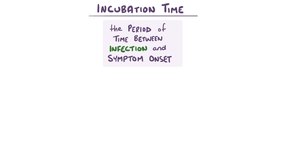
The signs and symptoms of malaria typically begin 8–25 days following infection;[12] however, symptoms may occur later in those who have taken antimalarial medications as prevention.[5] Initial manifestations of the disease—common to all malaria species—are similar to flu-like symptoms,[13] and can resemble other conditions such as sepsis, gastroenteritis, and viral diseases.[5] The presentation may include headache, fever, shivering, joint pain, vomiting, hemolytic anemia, jaundice, hemoglobin in the urine, retinal damage, and convulsions.[14]
The classic symptom of malaria is paroxysm—a cyclical occurrence of sudden coldness followed by shivering and then fever and sweating, occurring every two days (tertian fever) in P. vivax and P. ovale infections, and every three days (quartan fever) for P. malariae. P. falciparum infection can cause recurrent fever every 36–48 hours, or a less pronounced and almost continuous fever.[15]
Severe malaria is usually caused by P. falciparum (often referred to as falciparum malaria). Symptoms of falciparum malaria arise 9–30 days after infection.[13] Individuals with cerebral malaria frequently exhibit neurological symptoms, including abnormal posturing, nystagmus, conjugate gaze palsy (failure of the eyes to turn together in the same direction), opisthotonus, seizures, or coma.[13]
Complications
Malaria has several serious complications. Among these is the development of respiratory distress, which occurs in up to 25% of adults and 40% of children with severe P. falciparum malaria. Possible causes include respiratory compensation of metabolic acidosis, noncardiogenic pulmonary oedema, concomitant pneumonia, and severe anaemia. Although rare in young children with severe malaria, acute respiratory distress syndrome occurs in 5–25% of adults and up to 29% of pregnant women.[16] Coinfection of HIV with malaria increases mortality.[17] Renal failure is a feature of blackwater fever, where hemoglobin from lysed red blood cells leaks into the urine.[13]
Infection with P. falciparum may result in cerebral malaria, a form of severe malaria that involves encephalopathy. It is associated with retinal whitening, which may be a useful clinical sign in distinguishing malaria from other causes of fever.[18] Enlarged spleen, enlarged liver or both of these, severe headache, low blood sugar, and hemoglobin in the urine with renal failure may occur.[13] Complications may include spontaneous bleeding, coagulopathy, and shock.[19]
Malaria in pregnant women is an important cause of stillbirths, infant mortality, abortion and low birth weight,[20] particularly in P. falciparum infection, but also with P. vivax.[21]
Cause
Malaria parasites belong to the genus Plasmodium (phylum Apicomplexa). In humans, malaria is caused by P. falciparum, P. malariae, P. ovale, P. vivax and P. knowlesi.[22][23] Among those infected, P. falciparum is the most common species identified (~75%) followed by P. vivax (~20%).[5] Although P. falciparum traditionally accounts for the majority of deaths,[24] recent evidence suggests that P. vivax malaria is associated with potentially life-threatening conditions about as often as with a diagnosis of P. falciparum infection.[25] P. vivax proportionally is more common outside Africa.[26] There have been documented human infections with several species of Plasmodium from higher apes; however, except for P. knowlesi—a zoonotic species that causes malaria in macaques[23]—these are mostly of limited public health importance.[27]
Global warming is likely to affect malaria transmission, but the severity and geographic distribution of such effects is uncertain.[28][29]
Life cycle

The life cycle of malaria parasites. A mosquito causes an infection by a bite. First, sporozoites enter the bloodstream, and migrate to the liver. They infect liver cells, where they multiply into merozoites, rupture the liver cells, and return to the bloodstream. The merozoites infect red blood cells, where they develop into ring forms, trophozoites and schizonts that in turn produce further merozoites. Sexual forms are also produced, which, if taken up by a mosquito, will infect the insect and continue the life cycle.
In the life cycle of Plasmodium, a female Anopheles mosquito (the definitive host) transmits a motile infective form (called the sporozoite) to a vertebrate host such as a human (the secondary host), thus acting as a transmission vector. A sporozoite travels through the blood vessels to liver cells (hepatocytes), where it reproduces asexually (tissue schizogony), producing thousands of merozoites. These infect new red blood cells and initiate a series of asexual multiplication cycles (blood schizogony) that produce 8 to 24 new infective merozoites, at which point the cells burst and the infective cycle begins anew.[30]
Other merozoites develop into immature gametocytes, which are the precursors of male and female gametes. When a fertilized mosquito bites an infected person, gametocytes are taken up with the blood and mature in the mosquito gut. The male and female gametocytes fuse and form an ookinete—a fertilized, motile zygote. Ookinetes develop into new sporozoites that migrate to the insect’s salivary glands, ready to infect a new vertebrate host. The sporozoites are injected into the skin, in the saliva, when the mosquito takes a subsequent blood meal.[31]
Only female mosquitoes feed on blood; male mosquitoes feed on plant nectar and do not transmit the disease. The females of the Anopheles genus of mosquito prefer to feed at night. They usually start searching for a meal at dusk and will continue throughout the night until taking a meal.[32] Malaria parasites can also be transmitted by blood transfusions, although this is rare.[33]
Recurrent malaria
Symptoms of malaria can recur after varying symptom-free periods. Depending upon the cause, recurrence can be classified as either recrudescence, relapse, or reinfection. Recrudescence is when symptoms return after a symptom-free period. It is caused by parasites surviving in the blood as a result of inadequate or ineffective treatment.[34] Relapse is when symptoms reappear after the parasites have been eliminated from blood but persist as dormant hypnozoites in liver cells. Relapse commonly occurs between 8–24 weeks and is commonly seen with P. vivax and P. ovale infections.[5] P. vivax malaria cases in temperate areas often involve overwintering by hypnozoites, with relapses beginning the year after the mosquito bite.[35] Reinfection means the parasite that caused the past infection was eliminated from the body but a new parasite was introduced. Reinfection cannot readily be distinguished from recrudescence, although recurrence of infection within two weeks of treatment for the initial infection is typically attributed to treatment failure.[36] People may develop some immunity when exposed to frequent infections.[37]
Pathophysiology

Micrograph of a placenta from a stillbirth due to maternal malaria. H&E stain. Red blood cells are anuclear; blue/black staining in bright red structures (red blood cells) indicate foreign nuclei from the parasites.

Electron micrograph of a Plasmodium falciparum-infected red blood cell (center), illustrating adhesion protein “knobs”
Malaria infection develops via two phases: one that involves the liver (exoerythrocytic phase), and one that involves red blood cells, or erythrocytes (erythrocytic phase). When an infected mosquito pierces a person’s skin to take a blood meal, sporozoites in the mosquito’s saliva enter the bloodstream and migrate to the liver where they infect hepatocytes, multiplying asexually and asymptomatically for a period of 8–30 days.[38]
After a potential dormant period in the liver, these organisms differentiate to yield thousands of merozoites, which, following rupture of their host cells, escape into the blood and infect red blood cells to begin the erythrocytic stage of the life cycle.[38]The parasite escapes from the liver undetected by wrapping itself in the cell membrane of the infected host liver cell.[39]
Within the red blood cells, the parasites multiply further, again asexually, periodically breaking out of their host cells to invade fresh red blood cells. Several such amplification cycles occur. Thus, classical descriptions of waves of fever arise from simultaneous waves of merozoites escaping and infecting red blood cells.[38]
Some P. vivax sporozoites do not immediately develop into exoerythrocytic-phase merozoites, but instead, produce hypnozoites that remain dormant for periods ranging from several months (7–10 months is typical) to several years. After a period of dormancy, they reactivate and produce merozoites. Hypnozoites are responsible for long incubation and late relapses in P. vivax infections,[35] although their existence in P. ovale is uncertain.[40]
The parasite is relatively protected from attack by the body’s immune system because for most of its human life cycle it resides within the liver and blood cells and is relatively invisible to immune surveillance. However, circulating infected blood cells are destroyed in the spleen. To avoid this fate, the P. falciparum parasite displays adhesive proteins on the surface of the infected blood cells, causing the blood cells to stick to the walls of small blood vessels, thereby sequestering the parasite from passage through the general circulation and the spleen.[41] The blockage of the microvasculature causes symptoms such as in placental malaria.[42] Sequestered red blood cells can breach the blood–brain barrier and cause cerebral malaria.[43]
Genetic resistance
According to a 2005 review, due to the high levels of mortality and morbidity caused by malaria—especially the P. falciparumspecies—it has placed the greatest selective pressure on the human genome in recent history. Several genetic factors provide some resistance to it including sickle cell trait, thalassaemia traits, glucose-6-phosphate dehydrogenase deficiency, and the absence of Duffy antigens on red blood cells.[44][45]
The impact of sickle cell trait on malaria immunity illustrates some evolutionary trade-offs that have occurred because of endemic malaria. Sickle cell trait causes a change in the hemoglobin molecule in the blood. Normally, red blood cells have a very flexible, biconcave shape that allows them to move through narrow capillaries; however, when the modified hemoglobin S molecules are exposed to low amounts of oxygen, or crowd together due to dehydration, they can stick together forming strands that cause the cell to sickle or distort into a curved shape. In these strands the molecule is not as effective in taking or releasing oxygen, and the cell is not flexible enough to circulate freely. In the early stages of malaria, the parasite can cause infected red cells to sickle, and so they are removed from circulation sooner. This reduces the frequency with which malaria parasites complete their life cycle in the cell. Individuals who are homozygous (with two copies of the abnormal hemoglobin beta allele) have sickle-cell anaemia, while those who are heterozygous (with one abnormal allele and one normal allele) experience resistance to malaria without severe anemia. Although the shorter life expectancy for those with the homozygous condition would tend to disfavor the trait’s survival, the trait is preserved in malaria-prone regions because of the benefits provided by the heterozygous form.[45][46]
Liver dysfunction
Liver dysfunction as a result of malaria is uncommon and usually only occurs in those with another liver condition such as viral hepatitis or chronic liver disease. The syndrome is sometimes called malarial hepatitis.[47] While it has been considered a rare occurrence, malarial hepatopathy has seen an increase, particularly in Southeast Asia and India. Liver compromise in people with malaria correlates with a greater likelihood of complications and death.[47]
Diagnosis

The blood film is the gold standardfor malaria diagnosis.

Ring-forms and gametocytes of Plasmodium falciparum in human blood
Owing to the non-specific nature of the presentation of symptoms, diagnosis of malaria in non-endemic areas requires a high degree of suspicion, which might be elicited by any of the following: recent travel history, enlarged spleen, fever, low number of platelets in the blood, and higher-than-normal levels of bilirubin in the blood combined with a normal level of white blood cells.[5]Reports in 2016 and 2017 from countries were malaria is common suggest high levels of over diagnosis due to insufficient or inaccurate laboratory testing.[48][49][50]
Malaria is usually confirmed by the microscopic examination of blood films or by antigen-based rapid diagnostic tests(RDT).[51][52] In some areas, RDTs need to be able to distinguish whether the malaria symptoms are caused by Plasmodium falciparum or by other species of parasites since treatment strategies could differ for non-P. falciparum infections.[53]Microscopy is the most commonly used method to detect the malarial parasite—about 165 million blood films were examined for malaria in 2010.[54] Despite its widespread usage, diagnosis by microscopy suffers from two main drawbacks: many settings (especially rural) are not equipped to perform the test, and the accuracy of the results depends on both the skill of the person examining the blood film and the levels of the parasite in the blood. The sensitivity of blood films ranges from 75–90% in optimum conditions, to as low as 50%. Commercially available RDTs are often more accurate than blood films at predicting the presence of malaria parasites, but they are widely variable in diagnostic sensitivity and specificity depending on manufacturer, and are unable to tell how many parasites are present.[54]
In regions where laboratory tests are readily available, malaria should be suspected, and tested for, in any unwell person who has been in an area where malaria is endemic. In areas that cannot afford laboratory diagnostic tests, it has become common to use only a history of fever as the indication to treat for malaria—thus the common teaching “fever equals malaria unless proven otherwise”. A drawback of this practice is overdiagnosis of malaria and mismanagement of non-malarial fever, which wastes limited resources, erodes confidence in the health care system, and contributes to drug resistance.[55] Although polymerase chain reaction-based tests have been developed, they are not widely used in areas where malaria is common as of 2012, due to their complexity.[5]
Classification
Malaria is classified into either “severe” or “uncomplicated” by the World Health Organization (WHO).[5] It is deemed severe when any of the following criteria are present, otherwise it is considered uncomplicated.[56]
- Decreased consciousness
- Significant weakness such that the person is unable to walk
- Inability to feed
- Two or more convulsions
- Low blood pressure (less than 70 mmHg in adults and 50 mmHg in children)
- Breathing problems
- Circulatory shock
- Kidney failure or hemoglobin in the urine
- Bleeding problems, or hemoglobin less than 50 g/L (5 g/dL)
- Pulmonary oedema
- Blood glucose less than 2.2 mmol/L (40 mg/dL)
- Acidosis or lactate levels of greater than 5 mmol/L
- A parasite level in the blood of greater than 100,000 per microlitre (µL) in low-intensity transmission areas, or 250,000 per µL in high-intensity transmission areas
Cerebral malaria is defined as a severe P. falciparum-malaria presenting with neurological symptoms, including coma (with a Glasgow coma scale less than 11, or a Blantyre coma scale greater than 3), or with a coma that lasts longer than 30 minutes after a seizure.[57]
Various types of malaria have been called by the names below:[58]
| Name | Pathogen | Notes |
|---|---|---|
| algid malaria | Plasmodium falciparum | severe malaria affecting the cardiovascular system and causing chills and circulatory shock |
| bilious malaria | Plasmodium falciparum | severe malaria affecting the liver and causing vomiting and jaundice |
| cerebral malaria | Plasmodium falciparum | severe malaria affecting the cerebrum |
| congenital malaria | various plasmodia | plasmodium introduced from the mother via the fetal circulation |
| falciparum malaria, Plasmodium falciparummalaria, pernicious malaria | Plasmodium falciparum | |
| ovale malaria, Plasmodium ovale malaria | Plasmodium ovale | |
| quartan malaria, malariae malaria, Plasmodium malariae malaria | Plasmodium malariae | paroxysms every fourth day (quartan), counting the day of occurrence as the first day |
| quotidian malaria | Plasmodium falciparum, Plasmodium vivax | paroxysms daily (quotidian) |
| tertian malaria | Plasmodium falciparum, Plasmodium ovale, Plasmodium vivax | paroxysms every third day (tertian), counting the day of occurrence as the first |
| transfusion malaria | various plasmodia | plasmodium introduced by blood transfusion, needle sharing, or needlestick injury |
| vivax malaria, Plasmodium vivax malaria | Plasmodium vivax |
Prevention

An Anopheles stephensi mosquito shortly after obtaining blood from a human (the droplet of blood is expelled as a surplus). This mosquito is a vector of malaria, and mosquito control is an effective way of reducing its incidence.
Methods used to prevent malaria include medications, mosquito elimination and the prevention of bites. There is no vaccine for malaria. The presence of malaria in an area requires a combination of high human population density, high anopheles mosquito population density and high rates of transmission from humans to mosquitoes and from mosquitoes to humans. If any of these is lowered sufficiently, the parasite will eventually disappear from that area, as happened in North America, Europe and parts of the Middle East. However, unless the parasite is eliminated from the whole world, it could become re-established if conditions revert to a combination that favors the parasite’s reproduction. Furthermore, the cost per person of eliminating anopheles mosquitoes rises with decreasing population density, making it economically unfeasible in some areas.[59]
Prevention of malaria may be more cost-effective than treatment of the disease in the long run, but the initial costs required are out of reach of many of the world’s poorest people. There is a wide difference in the costs of control (i.e. maintenance of low endemicity) and elimination programs between countries. For example, in China—whose government in 2010 announced a strategy to pursue malaria elimination in the Chinese provinces—the required investment is a small proportion of public expenditure on health. In contrast, a similar program in Tanzania would cost an estimated one-fifth of the public health budget.[60]
In areas where malaria is common, children under five years old often have anemia which is sometimes due to malaria. Giving children with anemia in these areas preventive antimalarial medication improves red blood cell levels slightly but did not affect the risk of death or need for hospitalization.[61]
Mosquito control

Man spraying kerosene oil in standing water, Panama Canal Zone1912
Vector control refers to methods used to decrease malaria by reducing the levels of transmission by mosquitoes. For individual protection, the most effective insect repellents are based on DEET or picaridin.[62] Insecticide-treated mosquito nets (ITNs) and indoor residual spraying (IRS) have been shown to be highly effective in preventing malaria among children in areas where malaria is common.[63][64] Prompt treatment of confirmed cases with artemisinin-based combination therapies (ACTs) may also reduce transmission.[65]

Walls where indoor residual spraying of DDT has been applied. The mosquitoes remain on the wall until they fall down dead on the floor.

A mosquito net in use.
Mosquito nets help keep mosquitoes away from people and reduce infection rates and transmission of malaria. Nets are not a perfect barrier and are often treated with an insecticide designed to kill the mosquito before it has time to find a way past the net. Insecticide-treated nets are estimated to be twice as effective as untreated nets and offer greater than 70% protection compared with no net.[66] Between 2000 and 2008, the use of ITNs saved the lives of an estimated 250,000 infants in Sub-Saharan Africa.[67] About 13% of households in Sub-Saharan countries owned ITNs in 2007[68]and 31% of African households were estimated to own at least one ITN in 2008. In 2000, 1.7 million (1.8%) African children living in areas of the world where malaria is common were protected by an ITN. That number increased to 20.3 million (18.5%) African children using ITNs in 2007, leaving 89.6 million children unprotected[69] and to 68% African children using mosquito nets in 2015.[70] Most nets are impregnated with pyrethroids, a class of insecticides with low toxicity. They are most effective when used from dusk to dawn.[71] It is recommended to hang a large “bed net” above the center of a bed and either tuck the edges under the mattress or make sure it is large enough such that it touches the ground.[72]
Indoor residual spraying is the spraying of insecticides on the walls inside a home. After feeding, many mosquitoes rest on a nearby surface while digesting the bloodmeal, so if the walls of houses have been coated with insecticides, the resting mosquitoes can be killed before they can bite another person and transfer the malaria parasite.[73] As of 2006, the World Health Organization recommends 12 insecticides in IRS operations, including DDT and the pyrethroids cyfluthrin and deltamethrin.[74] This public health use of small amounts of DDT is permitted under the Stockholm Convention, which prohibits its agricultural use.[75] One problem with all forms of IRS is insecticide resistance. Mosquitoes affected by IRS tend to rest and live indoors, and due to the irritation caused by spraying, their descendants tend to rest and live outdoors, meaning that they are less affected by the IRS.[76]
There are a number of other methods to reduce mosquito bites and slow the spread of malaria. Efforts to decrease mosquito larva by decreasing the availability of open water in which they develop or by adding substances to decrease their development is effective in some locations.[77] Electronic mosquito repellent devices which make very high-frequency sounds that are supposed to keep female mosquitoes away, do not have supporting evidence.[78]
Other methods
Community participation and health education strategies promoting awareness of malaria and the importance of control measures have been successfully used to reduce the incidence of malaria in some areas of the developing world.[79] Recognizing the disease in the early stages can prevent the disease from becoming fatal. Education can also inform people to cover over areas of stagnant, still water, such as water tanks that are ideal breeding grounds for the parasite and mosquito, thus cutting down the risk of the transmission between people. This is generally used in urban areas where there are large centers of population in a confined space and transmission would be most likely in these areas.[80] Intermittent preventive therapy is another intervention that has been used successfully to control malaria in pregnant women and infants,[81] and in preschool children where transmission is seasonal.[82]
Medications
There are a number of drugs that can help prevent or interrupt malaria in travelers to places where infection is common. Many of these drugs are also used in treatment. Chloroquine may be used where chloroquine-resistant parasites are not common.[83] In places where Plasmodium is resistant to one or more medications, three medications—mefloquine (Lariam), doxycycline (available generically), or the combination of atovaquone and proguanil hydrochloride (Malarone)—are frequently used when prophylaxis is needed.[83] Doxycycline and the atovaquone plus proguanil combination are the best tolerated; mefloquine is associated with death, suicide, and neurological and psychiatric symptoms.[83]
The protective effect does not begin immediately, and people visiting areas where malaria exists usually start taking the drugs one to two weeks before arriving and continue taking them for four weeks after leaving (except for atovaquone/proguanil, which only needs to be started two days before and continued for seven days afterward).[84] The use of preventative drugs is often not practical for those who live in areas where malaria exists, and their use is usually only in pregnant women and short-term visitors. This is due to the cost of the drugs, side effects from long-term use, and the difficulty in obtaining anti-malarial drugs outside of wealthy nations.[85]During pregnancy, medication to prevent malaria has been found to improve the weight of the baby at birth and decrease the risk of anemia in the mother.[86] The use of preventative drugs where malaria-bearing mosquitoes are present may encourage the development of partial resistance.[87]
Treatment

An advertisement for quinine as a malaria treatment from 1927.
Malaria is treated with antimalarial medications; the ones used depends on the type and severity of the disease. While medications against fever are commonly used, their effects on outcomes are not clear.[88]
Simple or uncomplicated malaria may be treated with oral medications. The most effective treatment for P. falciparum infection is the use of artemisinins in combination with other antimalarials (known as artemisinin-combination therapy, or ACT), which decreases resistance to any single drug component.[89] These additional antimalarials include: amodiaquine, lumefantrine, mefloquine or sulfadoxine/pyrimethamine.[90] Another recommended combination is dihydroartemisinin and piperaquine.[91][92]ACT is about 90% effective when used to treat uncomplicated malaria.[67] To treat malaria during pregnancy, the WHO recommends the use of quinine plus clindamycin early in the pregnancy (1st trimester), and ACT in later stages (2nd and 3rd trimesters).[93] In the 2000s (decade), malaria with partial resistance to artemisins emerged in Southeast Asia.[94][95] Infection with P. vivax, P. ovale or P. malariae usually do not require hospitalization. Treatment of P. vivax requires both treatment of blood stages (with chloroquine or ACT) and clearance of liver forms with primaquine.[96] Treatment with tafenoquine prevents relapses after confirmed P. vivax malaria.[97]
Severe and complicated malaria are almost always caused by infection with P. falciparum. The other species usually cause only febrile disease.[98] Severe and complicated malaria are medical emergencies since mortality rates are high (10% to 50%).[99] Cerebral malaria is the form of severe and complicated malaria with the worst neurological symptoms.[100]Recommended treatment for severe malaria is the intravenous use of antimalarial drugs. For severe malaria, parenteralartesunate was superior to quinine in both children and adults.[101] In another systematic review, artemisinin derivatives (artemether and arteether) were as efficacious as quinine in the treatment of cerebral malaria in children.[102] Treatment of severe malaria involves supportive measures that are best done in a critical care unit. This includes the management of high fevers and the seizures that may result from it. It also includes monitoring for poor breathing effort, low blood sugar, and low blood potassium.[24]
Resistance
Drug resistance poses a growing problem in 21st-century malaria treatment.[103] Resistance is now common against all classes of antimalarial drugs apart from artemisinins. Treatment of resistant strains became increasingly dependent on this class of drugs. The cost of artemisinins limits their use in the developing world.[104]Malaria strains found on the Cambodia–Thailand border are resistant to combination therapies that include artemisinins, and may, therefore, be untreatable.[105]Exposure of the parasite population to artemisinin monotherapies in subtherapeutic doses for over 30 years and the availability of substandard artemisinins likely drove the selection of the resistant phenotype.[106] Resistance to artemisinin has been detected in Cambodia, Myanmar, Thailand, and Vietnam,[107] and there has been emerging resistance in Laos.[108][109]
Prognosis

Disability-adjusted life year for malaria per 100,000 inhabitants in 2004
no data
<10
0–100
100–500
500–1000
1000–1500
1500–2000
2000–2500
2500–2750
2750–3000
3000–3250
3250–3500
≥3500
When properly treated, people with malaria can usually expect a complete recovery.[110] However, severe malaria can progress extremely rapidly and cause death within hours or days.[111] In the most severe cases of the disease, fatality rates can reach 20%, even with intensive care and treatment.[5] Over the longer term, developmental impairments have been documented in children who have suffered episodes of severe malaria.[112] Chronicinfection without severe disease can occur in an immune-deficiency syndrome associated with a decreased responsiveness to Salmonella bacteria and the Epstein–Barr virus.[113]
During childhood, malaria causes anemia during a period of rapid brain development, and also direct brain damage resulting from cerebral malaria.[112] Some survivors of cerebral malaria have an increased risk of neurological and cognitive deficits, behavioural disorders, and epilepsy.[114] Malaria prophylaxis was shown to improve cognitive function and school performance in clinical trials when compared to placebo groups.[112]
Epidemiology

Distribution of malaria in the world:[115]♦ Elevated occurrence of chloroquine- or multi-resistant malaria
♦ Occurrence of chloroquine-resistant malaria
♦ No Plasmodium falciparum or chloroquine-resistance
♦ No malaria

Deaths due to malaria per million persons in 2012
0–0
1–2
3–54
55–325
326–679
680–949
950–1,358
The WHO estimates that in 2015 there were 214 million new cases of malaria resulting in 438,000 deaths.[116] Others have estimated the number of cases at between 350 and 550 million for falciparum malaria[117] The majority of cases (65%) occur in children under 15 years old.[118] About 125 million pregnant women are at risk of infection each year; in Sub-Saharan Africa, maternal malaria is associated with up to 200,000 estimated infant deaths yearly.[20] There are about 10,000 malaria cases per year in Western Europe, and 1300–1500 in the United States.[16] About 900 people died from the disease in Europe between 1993 and 2003.[62] Both the global incidence of disease and resulting mortality have declined in recent years. According to the WHO and UNICEF, deaths attributable to malaria in 2015 were reduced by 60%[70] from a 2000 estimate of 985,000, largely due to the widespread use of insecticide-treated nets and artemisinin-based combination therapies.[67] In 2012, there were 207 million cases of malaria. That year, the disease is estimated to have killed between 473,000 and 789,000 people, many of whom were children in Africa.[2] Efforts at decreasing the disease in Africa since the turn of millennium have been partially effective, with rates of the disease dropping by an estimated forty percent on the continent.[119]
Malaria is presently endemic in a broad band around the equator, in areas of the Americas, many parts of Asia, and much of Africa; in Sub-Saharan Africa, 85–90% of malaria fatalities occur.[120] An estimate for 2009 reported that countries with the highest death rate per 100,000 of population were Ivory Coast (86.15), Angola (56.93) and Burkina Faso (50.66).[121] A 2010 estimate indicated the deadliest countries per population were Burkina Faso, Mozambique and Mali.[118] The Malaria Atlas Project aims to map global endemic levels of malaria, providing a means with which to determine the global spatial limits of the disease and to assess disease burden.[122][123] This effort led to the publication of a map of P. falciparum endemicity in 2010.[124] As of 2010, about 100 countries have endemic malaria.[125][126] Every year, 125 million international travellers visit these countries, and more than 30,000 contract the disease.[62]
The geographic distribution of malaria within large regions is complex, and malaria-afflicted and malaria-free areas are often found close to each other.[127] Malaria is prevalent in tropical and subtropical regions because of rainfall, consistent high temperatures and high humidity, along with stagnant waters in which mosquito larvae readily mature, providing them with the environment they need for continuous breeding.[128] In drier areas, outbreaks of malaria have been predicted with reasonable accuracy by mapping rainfall.[129] Malaria is more common in rural areas than in cities. For example, several cities in the Greater Mekong Subregion of Southeast Asia are essentially malaria-free, but the disease is prevalent in many rural regions, including along international borders and forest fringes.[130] In contrast, malaria in Africa is present in both rural and urban areas, though the risk is lower in the larger cities.[131]
History

Ancient malaria oocysts preserved in Dominican amber
Although the parasite responsible for P. falciparum malaria has been in existence for 50,000–100,000 years, the population size of the parasite did not increase until about 10,000 years ago, concurrently with advances in agriculture[132] and the development of human settlements. Close relatives of the human malaria parasites remain common in chimpanzees. Some evidence suggests that the P. falciparum malaria may have originated in gorillas.[133]
References to the unique periodic fevers of malaria are found throughout recorded history.[134] Hippocrates described periodic fevers, labelling them tertian, quartan, subtertian and quotidian.[135] The Roman Columella associated the disease with insects from swamps.[135] Malaria may have contributed to the decline of the Roman Empire,[136] and was so pervasive in Rome that it was known as the “Roman fever“.[137] Several regions in ancient Rome were considered at-risk for the disease because of the favourable conditions present for malaria vectors. This included areas such as southern Italy, the island of Sardinia, the Pontine Marshes, the lower regions of coastal Etruria and the city of Rome along the Tiber River. The presence of stagnant water in these places was preferred by mosquitoes for breeding grounds. Irrigated gardens, swamp-like grounds, runoff from agriculture, and drainage problems from road construction led to the increase of standing water.[138]
Additional educational resources
Willcox ML, Bodeker G, Rasoanaivo P. Traditional medicinal plants and malaria. Boca Raton: CRC, 2004—book contains detailed systematic reviews and guidelines for further studies in malaria control
The Research Initiative on Traditional Antimalarial Methods (www.who.int/tdr/publications/publications/ritam.htm)—features a report of the inaugural meeting of RITAM
World Health Organization Essential Drugs and Medicine Policy (www.who.int/medicines/organization/trm/orgtrmmain.shtml)—details WHO Traditional Medicine Strategy 2002-5