
Source: FUNGI: Suppresses the Immune System Creates Inflammation, May Initiate Cell Division Abnormalities
FUNGI: Suppresses the Immune System Creates Inflammation, May Initiate Cell Division Abnormalities

FACTS ABOUT FUNGI: Suppresses the Immune System
Creates Inflammation, May Initiate Cell Division Abnormalities
A study by Doug Kaufmann, who is the host of Know the Cause television show. He has done a lot of research on the connection between fungal infection in the body and a host of chronic diseases, including cancer.
This very interesting clinical trial by John Hopkins researchers found: antifungal medication Itraconazole, used to treat nail fungus, was shown to keep prostate cancer from worsening and delay the need for chemotherapy in a subsection of men with advanced disease.
THE STUDY: The clinical trial; found 11 of 24 (48.4 percent) men taking high doses of Itraconazole had stable or declining PSA levels lasting at least 24 weeks. Almost a third of men taking the high dose had PSA reductions of 30 percent or more. Generally metastatic prostate cancer patients receiving no treatment typically would worsen in eight to 12 weeks. Researchers also found that 12 of 14 men taking high doses of Itraconazole had lower levels of circulating tumor cells present in their blood after therapy, compared with their baseline levels.
Itraconazole, also known as Sporanox, appears to have some unique anticancer properties such as inhibiting tumor blood vessel growth and preventing cell tumor division.
While the drug Itraconazole may indeed have direct anticancer properties more research is required to confirm this.
RESEARCHERS ARE MISSING THE BIG PICTURE, AND THAT IS FUNGI IS A MAJOR CAUSE OF DISEASE, INCLUDING CANCER.
My experience shows that if researchers combined an antifungal medication along with a holistic antifungal approach (antifungal diet, mold free environment) they would get much better results.
Is There A Link Between Fungus and Cancer?
FACTS ABOUT FUNGI: Suppresses the Immune System
Creates Inflammation, May Initiate Cell Division Abnormalities
RECOMMENDATIONS
Many health problems are improved with an effective antifungal treatment and by:
-
- 1. Following an antifungal diet (low in carbohydrates, especially simple sugars).
-
- 2. Avoiding mold contaminated foods such as peanuts, and eat a diet rich in vegetables and protein sources.
-
- 3. The use of high-quality antifungal supplements or medications and avoiding antibiotics.
-
- 4. Avoiding buildings that contain mold spores.
-
- 5. Properly cleansing broken skin to avoid invasions and blood stream infections.
-
- Connie’s suggestion: Use diluted hydrogen peroxide, baking soda, tea tree oil, eucalyptus oil, lemon and aloe vera gel.
- 6. Seeking holistic treatment for any fungi overgrowth in the digestive tract (that may have been caused by sugar laden foods and/or antibiotic use)
Fungus: Overlooked and Undetected.
BY ELIMINATING FUNGAL PROBLEMS ONE CAN FREE UP THE IMMUNE SYSTEM AND REMOVE A MAJOR CAUSE OF INFLAMMATION.
Reference: 2011 American Society of Clinical Oncology (ASCO) annual meeting (abstract #4532). June 4, 2011
Dr. Mark Stengler – News and trusted advice in cutting-edge holistic and nutritional medicine. Visit blog.markstengler.com for more of his articles.
Is it Fungus or is it Cancer? Doug Kaufmann – Know The Cause …
Oct 25, 2012 – Uploaded by CancerScam666
Fiddlin’ Doc, it is YOUR ignorance, not “at best,” but at it’s worst at play here. Do some investigatory work …
Phase One Diet & Supplements – Know The Cause – Doug Kaufmann …
Nov 25, 2013 – Uploaded by Doug Kaufmann
I have a relative who has followed the Phase One Diet with true dedication for a minimum of Six months after …
Doug Kaufmann’s Bookstore | The Fungus Link Series
TV host & author Doug Kaufmann, has written 9 books on the subject of fungus (Candida) and ill health. … Doug Kaufmann’s Know The Cause Book Store.
All Books – Doug Kaufmann’s Know The Cause Book Store
The Fungus Link to Diabetes. $29.95. Compare. Add To Cart · The Fungus Link, Vol. 1. Quick View. The Fungus Link, Vol. 1. $25.95. Compare. Add To Cart.
An Introduction to Doug Kaufmann and the Fungal Theory of Disease
Nov 21, 2009 – Perfect segue, so let’s get on to Doug Kaufmann of “Know the Cause” his fungal theory of disease — and I believe, a genuine REAL step in the …
—————-


Email Connie at motherhealth@gmail.com to be your health coach to help you monitor your health.
Sleep, immunity and inflammation in gastrointestinal disorders
A new study in this month’s issue of Mayo Clinic Proceedings shows that irritablebowel syndrome, indigestion, and heartburn are frequently seen among people withinsomnia. … The survey also asked about numerous symptoms of irritable bowelsyndrome (IBS), such as bloating, gas, constipation, or diarrhea.
Sleep, immunity and inflammation in gastrointestinal disorders
This article has been cited by other articles in PMC.
Abstract
Sleep disorders have become a global issue, and discovering their causes and consequences are the focus of many research endeavors. An estimated 70 million Americans suffer from some form of sleep disorder.
Certain sleep disorders have been shown to cause neurocognitive impairment such as decreased cognitive ability, slower response times and performance detriments.
Recent research suggests that individuals with sleep abnormalities are also at greater risk of serious adverse health, economic consequences, and most importantly increased all-cause mortality. Several research studies support the associations among sleep, immune function and inflammation. Here, we review the current research linking sleep, immune function, and gastrointestinal diseases and discuss the interdependent relationship between sleep and these gastrointestinal disorders.
Different physiologic processes including immune system and inflammatory cytokines help regulate the sleep. The inflammatory cytokines such as tumor necrosis factor, interleukin-1 (IL-1), and IL-6 have been shown to be a significant contributor of sleep disturbances. On the other hand, sleep disturbances such as sleep deprivation have been shown to up regulate these inflammatory cytokines.
Alterations in these cytokine levels have been demonstrated in certain gastrointestinal diseases such as inflammatory bowel disease, gastro-esophageal reflux, liver disorders and colorectal cancer. In turn, abnormal sleep brought on by these diseases is shown to contribute to the severity of these same gastrointestinal diseases. Knowledge of these relationships will allow gastroenterologists a great opportunity to enhance the care of their patients.
Keywords: Sleep, Immune function, Immunity, Irritable bowel syndrome, Inflammatory bowel disease, Gastro-esophageal reflux disease, Liver disorders, Colon cancer, Circadian rhythm
Core tip: Sleep disorders have become a global issue, and discovering their causes and consequences are the focus of many research endeavors. Recent research suggests that individuals with sleep abnormalities are at greater risk of all-cause mortality and serious adverse health and economic consequences. Several studies support the associations among sleep, immune function and inflammation. We review the current research linking sleep, immune function, and gastrointestinal diseases and discuss the interdependent relationship between sleep, overall immune function with emphasis on inflammatory bowel disease, irritable bowel syndrome, gastro-esophageal reflux and colorectal cancer.
INTRODUCTION
Research into sleep and its associated health abnormalities has had a relatively recent surge, and sleep quality has been shown in many investigations to be an important, if not essential element of good health[1–3]. Sleep disorders can be primary, secondary or behavioral. Primary disorders are related to neurologic defects like narcolepsy and restless leg syndrome, breathing problems like obstructive sleep apnea and central sleep apnea, or circadian rhythm abnormalities like jet lag and delayed sleep phase syndrome. Secondary sleep disorders are secondary to primary diseases such as depression, chronic illness etc. Behavioral sleep problems such as insomnia or insufficient sleep are caused or perpetuated by poor sleep hygiene.
Sleep disorders have become a global issue. Sleep abnormalities occur in 17%-22% Japanese[4,5], while sleep disorders are estimated to range from 7% to 50% in people living in Portugal and Finland[6–8]. In the United States, more than 70 million people suffer from a sleep disorder, and modern lifestyles have led to Americans sleeping approximately 2 h less per night than 100 years ago[4,7,9]. Abnormalities in the sleep cycle are linked with neurocognitive consequences ranging from performance decrements, slower response times, and decreased cognitive ability[10].
Receiving fewer hours of sleep may also impact metabolism in a manner that contributes to obesity[10]. A strong association has been found between disruption in sleep and gastrointestinal disease. We will review the interdependent relationship of sleep dysfunction and gastrointestinal issues including inflammatory bowel disease (IBD), irritable bowel syndrome (IBS), gastro-esophageal reflux disease (GERD), liver disorders and colon cancer. Sleep abnormalities have been shown to worsen symptoms of IBS, IBD and GERD which, in turn, can worsen sleep abnormalities. Sleep disorders and circadian dysfunction have also been shown to increase the risk of colon cancer.
HUMAN SLEEP
Sleep is classified based on polysomnographic data into two main categories known as rapid eye movement (REM) sleep and non-REM (NREM) sleep. NREM sleep is further divided into three stages based on increasing depths of sleep and increasing arousal thresholds. These sleep stages cycle through REM and NREM approximately every 90 min[11]. More time is spent in slow-wave delta sleep each cycle during the first half of the night, with increasing time in REM sleep in the later portions of the night. Humans spend around 25% of total sleep time in REM sleep[12]. The exact biological purpose of sleep is unknown. However, slow-wave sleep is thought to be restorative, restful sleep, and REM sleep is associated with dream recall and memory consolidation[13]. Although the ideal quantity of sleep is different among individuals, most studies recommend seven to eight hours a night for adults as an optimal amount of sleep[14]. Alterations in normal sleep patterns are thought to be a significant contributor to a vast array of illness including depression, metabolic syndrome, inflammation, gastrointestinal diseases, and also cancer[15,16].
REGULATION OF SLEEP
Sleep regulation is often described by a two process model[17]. Process S, or the sleep homeostatic drive, linearly increases the longer an individual stays awake[18]. Process C, or the circadian alerting drive, oscillates with body temperature on an approximate 24-h cycle[15,18]. During the later hours of the day, Process C enters its decline in the circadian pattern, and Process S has accumulated approximately 16 h of continuous wakefulness. The combination of declining alertness and a sufficient amount of prior wakefulness facilitates the onset of sleep[18]. Biological clocks have evolved based on a 24-h cycle that allow organisms to anticipate and physiologically adjust to daily environmental changes and this circadian system provides a temporal organization of waking and sleep[15,19]. The circadian clock is entrained or synchronized to the specific day-night cycle (phase) of the environment through signals such as light, meals, and social interaction. These affect neuro hormonal pathways which influence the circadian clock. Light is the most important factor affecting the circadian rhythm. Light travels from the retina via the retinohypothalamic pathway to the suprachiasmatic nucleus (SCN), and then via a multi-synaptic pathway to the pineal gland where it suppresses melatonin production. Melatonin is a neurohormone that serves to synchronize circadian rhythms both with the environment and the human body as melatonin receptors are found in nearly all human tissue. Furthermore, the 24-h circadian rhythm is governed by a main circadian clock and a system of peripheral clocks located in multiple tissues including the pancreas, liver, and adipose tissue[20]. The SCN also serves as a “standard time” which synchronizes peripheral tissue clocks[21]. A series of “clock genes” help regulate the timing through both positive and negative feedback loops. CLOCK and Brain and Muscle Arnt-like protein (BMAL-1) form heterodimers that accumulate throughout the day. These heterodimers then bind to the promoter regions of the genes Period (PER) and Cryptochrome (CRY) to activate their transcription. PER and CRY proteins then accumulate and form heterodimers that inhibit transcription of CLOCK and BMAL-1 proteins[22]. Point mutations in these clock genes have been linked to altered circadian function and sleep abnormalities in mammals including familiar advanced sleep phase syndrome and delayed sleep phase syndrome[23–25].
Research has also focused on determining whether similar feedback-loop clock genes are present within the gastrointestinal tract. PER2 expression has been identified in the myenteric plexus and affects the rhythmic releases of acetylcholine and nitric oxide, ultimately regulating peristalsis[26,27]. Hypotheses on circadian rhythms affecting nutrient transport in the small intestine, gastric acid secretion, gut motility, and production of digestive enzymes have also been proposed[27].
IMMUNE ACTIVATION AND CYTOKINE EFFECTS ON SLEEP
Many immune and endocrine pathways exhibit a diurnal profile including cortisol and growth hormone. The onset of sleep corresponds with an increase in the serum levels of some cytokines, peaking at 2.5 h after sleep onset[28]. This surge of cytokines and their pro-inflammatory effects are suggested to be linked with nocturnal exacerbations of diseases like asthma and rheumatoid arthritis[11]. Increasing evidence supports a reciprocal relationship between sleep and the immune system. An activated immune system alters sleep and sleep abnormalities affect immune function[29,30]. Studies have also shown that an immune response elicits a pro-inflammatory cytokine response that helps to modulate sleep[22]. This was first illustrated in the 1970s[31] after the identification of a sleep-inducing muramyl peptide known as factor S was found to have both immune and sleep regulatory properties[18,32]. Although the diverse range of cytokines released in early inflammation limits our ability to isolate individual contributions[33], tumor necrosis factor (TNF)-α, interleukin-1 (IL-1), and IL-6 have shown the strongest potential[30]. However, numerous other cytokines with at least partial sleep regulatory properties have been identified. In animal models, IL-1 and TNF-α elevations have correlated with increased time in NREM sleep. Furthermore, an inhibitory effect on both spontaneous sleep and sleep rebound (increased REM sleep after sleep deprivation) was produced when IL-1 was inhibited by anti-IL-1 specific antibodies[34]. In addition, high serum levels of TNF-α has been linked to sleepiness in patients with obstructive sleep apnea and rheumatoid arthritis[35,36]. IL-6 also plays a role in sleep modulation. Sleep deprivation can increase IL-6 levels leading to daytime fatigue[37]. In a human study, subjects received an injection of IL-6 that simulated the levels found in infection, and they experienced marked subjective fatigue, inhibition of REM sleep, and elevated CRP in 6.5 h[33]. The inhibition of REM and the promotion of NREM sleep appear to play key roles in the immune response. IL-1, IL-6 and TNF-α are at high levels at time of infection and correlated with increased duration of NREM, changes in core body temperatures, more shivering, and an overall greater capacity to fight off illness[32]. This was confirmed in several studies evaluating the effect of infection with human immunodeficiency virus (HIV) on sleep. In early stages of HIV infection, polysomnographic data showed larger percentage of time spent in NREM than in REM and prolonged REM sleep latency[18,38]. Serotonin also is an integral component to IL-1 activity. Depletion of serotonin or inhibition of the serotonin receptor led to a reduction in the IL-1-induced increase in the amount of NREM sleep[39,40]. Thus, there appears to be an interaction of IL-1 and its ability to modulate sleep based on baseline levels of serotonin. Infection caused by viral, bacterial, fungal or even parasites was evidenced to increase the amount of time spent in NREMS and decrease the amount of time spent in REMS[41] based on severity of infection[12].
SLEEP EFFECTS ON THE IMMUNE RESPONSE
Both human and animal studies have shown that sleep has an overall protective role and that sleep deprivation is associated with an increased susceptibility to infection[18,22]. A study on infected rabbits showed that animals who had longer periods of sleep had less morbidity and mortality[42]. In humans, long-term sleep deprivation was shown to increase risk of septicemia[43,44]. Furthermore, decreased sleep has been linked to impaired antibody response to hepatitis A vaccine[29], influenza[45], and increased risk of getting a upper respiratory infection[46]. The timing of sleep is also important because most immune cells have their highest response to immune challenges during the night[12,18] and their lowest response in the morning[45]. This antibody impairment is very similar to the decrease in the immune response seen with human aging as both have a lowered T-cell response to antigens and impaired response to vaccinations[47].
GASTROESOPHAGEAL REFLUX DISEASE AND SLEEP
It is well established that gastroesophageal reflux and its most common symptoms, heartburn and regurgitation, is among the most frequently dealt with conditions encountered by gastroenterologists[48].
Approximately, 10%-20% of the people in the United States have GERD[49]. One study found that approximately 74% of patients with GERD had nocturnal symptoms[50]. A Gallup survey revealed that approximately 63% of the people with nocturnal GERD felt it impaired their ability to sleep and 40% felt it impaired their ability the following day[51]. Several factors likely contribute to nocturnal GERD. Numerous studies now have documented that reflux during sleep presents physiologic issues not encountered during the waking state. For example there is a notable prolongation of acid clearance due to the suppression of swallowing and salivation during sleep. This results in enhanced back diffusion of hydrogen ions and subsequent mucosal damage. These issues are discussed in detail in a review by Orr et al[51] in which he presents an argument for considering nighttime reflux and its clinical manifestations as a distinct clinical entity[52]. However, sleep and GERD have been shown to have a more interdependent relationship. A study by Dickman et al[52] noted that poor quality of sleep led to exacerbations of reflux the following day. They also found that longer durations of reflux events correlated with reduced sleep quality. This was supported by the Gallup survey, a higher frequency of reflux was associated with higher frequency of sleep difficulties[51]. A likely contributing factor is the hyperalgesia due to sleep disturbances[54,55]. This was first reported by Onen et al[53] who found that sleep deprivation led to a somatic hyperalgesia. This hyperalgesia was evidenced after loss of REM sleep or cumulative 2 d loss of non-REM sleep[54]. Recently, Schey et al[54] have documented a visceral hyperalgesia and increased sensitivity to reflux in GERD patients with documented poor sleep prior to undergoing an acid perfusion test[55]. Further research in this area is needed, but current studies indicate that discussion and treatment of sleep abnormalities in patients with GERD may lead to improved management.
PEPTIC ULCER DISEASE
Patients with sleep apnea sustain cessation of breath during sleep, leading to intermittent hypoxia, systemic inflammation and sympathetic activation. These insults are not only be a threat to cardiovascular system but can also contribute to damage to the gastrointestinal mucosa and hence initiation or progression of peptic ulcers[56]. In a very large study of nearly 35000 patients from Taiwan, patients with sleep apnea experienced 2.4 fold higher risk for peptic ulcer bleeding[56]. This may warrant surveying for sleep apnea as a potential predisposing factor in patients with peptic ulcer bleeding and without any apparent risk factors.
INFLAMMATORY BOWEL DISEASE AND SLEEP
IBD is characterized by a chronic immune mediated inflammation of the gastrointestinal tract. It is estimated that approximately 400/100000 Americans suffer from IBD[57]. The relationship between sleep and IBD has been a topic of more recent consideration. Ranjbaran et al[57] used the Pittsburgh Sleep Quality Index (PSQI) to show a relationship with sleep abnormalities and the quality of life in patients with IBD. They noted several sleep-related issues: more sleep latency, less day time energy, and increased sleeping pill use[57].
Abnormal sleeping habits may also play a role on disease severity. One study noted both worsened severity of UC and higher mortality in phase-shifted mice than in unaltered circadian-phase mice[59]. They noted that chronic circadian phase shifts led to worsening mucosal inflammation and colitis likely secondary to altered inflammatory cascade regulation[59]. Another study found that occupations that have artificial working conditions (such as light) and irregular hours had higher odds ratio (1.6-1.7) for development for IBD[60,61].
Patients with Crohn’s disease (CD) and sleep loss may also have a greater risk for disease relapse. These patients had twice the risk of active disease in 6 mo than patients who did not have sleep abnormalities[62]. In fact, Tang et al[62] performed a study examining sleep deprivation on mice with colitis and noted both acute and chronic sleep deprivation led to worsening colitis likely secondary to heightened sensitivity to pro-inflammatory cytokines such as IL-6 and TNF-α[9,30,61,63]. A large survey study looking at sleep disturbances in over 3100 participants found that CD patients in clinical remission and subjective sleep disturbances had a 2-fold increased risk of active disease at 6 mo. They discovered approximately 75% of patients with active disease have subjective sleep complaints compared to 48% inactive disease[62].
Recently, we performed a prospective observational cohort study looking at the sleep disturbances of IBD patients. We discovered that 100% of patients with active disease had poor sleep while only 72% of patients with clinically inactive disease had poor sleep. The difference between sleep disturbances became even higher when histology was used to define the disease activity. We found 100% of those in histologically active group had poor sleep while only 54% in the histologically inactive group had poor sleep (OR = 6.0, 95%CI: 2.9-12.5, P < 0.0001). An abnormal PSQI had a positive predictive value for histologic inflammatory activity of 83%[64]. These patients were prospectively followed for 6 mo, and the relapse rate in clinically inactive patients with poor sleep was found to be 67%. No patients with normal sleep patterns relapsed (RR = 3, 95%CI: 1.5-6.1, P = 0.03). We detected a significant correlation between the baseline PSQI and disease activity at the 6-mo follow up (CD: r = 0.56, P = 0.0046; UC: r = 0.54, P = 0.024)[65]. Although the study was limited by the small number of patients, the results are intriguing and hold very important therapeutic implication in the management of immune-mediated inflammatory diseases.
Melatonin has recently been investigated as a possible method of improving outcomes for patients with UC Data from several animal models indicate that melatonin administration increased serum levels of IL-10 (an anti-inflammatory cytokine) and decreased serum levels of pro-inflammatory cytokines such as IL-6 and TNF-α[66–69]. Patients with UC had abnormally high levels of pro-inflammatory cytokines, and melatonin may play a role in reducing the severity of UC by reducing these specific cytokines[69–73].
IRRITABLE BOWEL SYNDROME AND SLEEP
IBS is a chronic gastrointestinal syndrome that is associated with abdominal pain and distorted bowel behavior. IBS is commonly diagnosed and there is an estimated 10%-15% of the North American population suffering from this syndrome[74]. IBS appears to have a significant association with anxiety, stress, and overall environment. Interestingly, sleep dysfunction also has similar associations. The study conducted by Kim et al[74] examined IBS occurrence among irregular-shift workers and traditional day-shift workers. They found that the prevalence of IBS in irregular-shift workers was significantly higher (32.7%) than in the day-shift workers (16.7%). They also found that many of the individuals that worked irregular shifts experienced less sleep quality, higher rates of daytime sleepiness, and higher levels of stress[75]. Chen et al[75] compared sleep patterns and rectal sensitivity using anorectal manometry among patients with IBS and healthy subjects. They noted that IBS patients with lower amounts of quality sleep were prone to lower thresholds for rectal sensitivity and altered anal sphincter function[76]. This rectal hyperalgesia in patients with sleep abnormalities and IBS is consistent with the visceral hyperalgesia noted in patients with sleep abnormalities and GERD[55].
COLON CANCER AND SLEEP
Colorectal cancer is the second most commonly diagnosed cancer in the world in women and the third most common in men[77]. Surgery is often the primary method of intervention while adjuvant chemotherapy and radiation therapy are often employed to improve survival or quality of life[78–80]. Several surveys noted that fatigue was one of the highest concerns for people with cancer[78,81,82].
Animal studies indicate that both circadian disruption by nocturnal light exposure or sleep deprivation accelerated tumor formation[83–85]. A recent study by Thompson and colleagues evaluated sleep and colon cancer and noted that shorter duration of sleep (< 6 h) led to an almost 50% increase in the risk for colorectal adenomas[86]. Shift work, abnormal clock gene expression, and other causes of disruption of circadian rhythms are emerging as cancer risk factors[83,87]. A study by Schernhammer et al[87] found an increased risk for colon cancer in women who worked night shifts[88]. Several theories have been proposed to explain the relationship between sleep and colon cancer. Increased obesity is a known risk factor for cancer[89]. Sleep disorders are also known to alter metabolism and contribute to obesity[10]. Sleep disturbance may play an indirect role in increasing the risk for cancer by increasing adiposity[90]. Another theory suggests melatonin and its anti-carcinogenic properties are a key factor. Nocturnal light exposure suppresses melatonin production, and the lack of melatonin and its anti-proliferative effects may contribute to intestinal cancer formation[88,91]. Open discussion, evaluation, and treatment of lower-than-normal duration of sleep may be an under-appreciated method of colorectal cancer risk modification.
SLEEP DYSFUNCTION AND THE LIVER
Sleep disturbances are seen in numerous types of liver diseases. One study found 47.7% of cirrhotic patients had unsatisfactory sleep when compared to 4.5% seen in controls[92]. Elevated levels of ammonia seen in hepatic encephalopathy is also evidenced to induce sleep wake cycle reversal and progressive electroencephalography changes with triphasic wave changes in Stage I hepatic encephalopathy and eventually delta waves and comatose state in Stage IV[93]. Another study found that women with primary biliary cirrhosis slept nearly twice as much during the day when compared to controls[94]. Although the exact mechanism behind this is known, it is thought that elevated IL-6 plays a role[95]. Patients with hepatitis C also are at higher risk for sleep abnormalities with 60%-65% reporting abnormal sleep complaints[96]. In addition, patients undergoing treatment with interferon-a are also at increased risk for sleep abnormalities as 22%-24% of patients experience sleep disturbance as a side effect[97].
Summa et al[97] study on mice found that circadian disorganization via ClockΔ19/Δ19 mutation led to elevated liver/body weight ratios and advanced alcohol induced steatohepatitis[98]. The etiology behind this connection is thought to rely on abnormal intestinal epithelial permeability. Ideally, the intestinal epithelial barrier serves to protect the body from unwanted luminal contents while also allowing a fraction of permeability to allow immune surveillance and regulation[99]. Summa et al[97] followed the absorption of sugars in the gastrointestinal tract in phase shifted mice and found increased permeability in the colon when compared to control. This evidence indicates that circadian dysfunction may be a separate risk factor for alcohol induced liver damage[98].
Patients with sleep apnea sustain cessation of breath during sleep, leading to intermittent hypoxia, systemic inflammation, and sympathetic activation. These insults may contribute to initiation or progression of peptic ulcers[56]. In a very large study of nearly 35000 patients from Taiwan, patients with sleep apnea experienced 2.4 fold higher risk for peptic ulcer bleeding[56].
Email Connie to be your health coach at motherhealth@gmail.com
http://clubalthea.pxproducts.com/products-2
Racism doesn’t exist all by itself, it has support


We need compassion and wisdom from our president, not division and hatred.

The justice’s decision to speak at Trump’s D.C. hotel speaks louder than his words.

The president’s love for the despotic regimes of Saudi Arabia and the United Arab Emirates is perpetuating the crisis.

China’s pillage of American intellectual property is a threat to national security as well as the economy.

If the White House can match its recent staff changes with a smart policy push, the coalition between it and the Capitol Hill GOP could come together again.

How we run this leg of the relay race of our lives will define the country our children will inherit.

He certainly doesn’t look happy in the job.

Local laws are enfranchising noncitizens to give them a voice in their communities.


I’m convined that my son will go to college based solely on the strength of his application. But will people underestimate him just the same?

The Civil War talk covers up that the president is already at war with the rule of law.

While we mourn the victims of Barcelona, terrorists are preparing for their next wave of strikes.

Trump’s decision to fire his chief strategist sends a clear signal that the president’s “populism” has always been a ruse.

There’s value in keeping symbols of racism visible in society.

We need a fund to help address victims’ particular needs.

It means taking responsibility for the environment in which you are operating.

It will increasingly fall upon everyday people to do the right thing.

Gary Cohn, Steven Mnuchin and Jared Kushner should have spoken out about the president’s Charlottesville remarks.

Immigrants contribute in a big way to the region’s economy.

But it’s not in the way Trump says they are.

It’s bigotry as an electoral tool.

He campaigned on the Palin model, and his base will never leave him.

The country’s name is again a toxic word in American politics.

Washington Post 8-21-2017
Source: Washington Post 8-21-2017
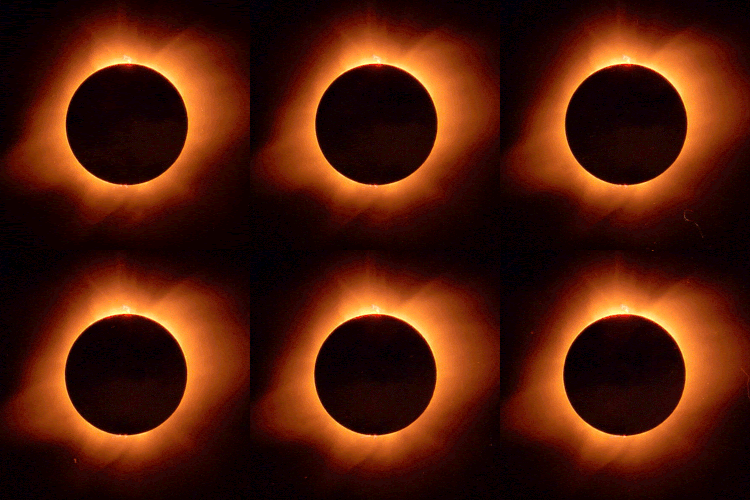
Watch our live stream of Total Solar Eclipse live right now
Watch our live stream of Total Solar Eclipse live right now
|
|||||||||||||||||||||||||||||||||||||||||||||||||||||||||||||
|
|||||||||||||||||||||||||||||||||||||||||||||||||||||||||||||

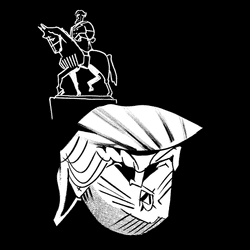










Hate groups are on the rise as Trump has ‘electrified the radical right’
- Hate groups are on the rise as Trump has ‘electrified the radical right’
- Der Spiegel’s new magazine cover: The true face of Donald Trump
- There are now 4 magazine covers that show who Trump is
- White supremacist loses his electrician job after being slated to speak at Charlottesville
- Daily Kos is prepared to resist Trump every single day for the next four years and beyond. Can you chip in $1 to support independent, progressive media?
- The right is falling for this ‘real news’ that is so obviously fake it is laughable!
- Racist Fox News host says America isn’t racist, followed by some real racist shit
- The Trump backlash continues, with or without Steve Bannon
- Some of the best eclipse links you’ll need all in one place
- Nation discovers evangelicals have no moral compass as business leaders pick up the slack
- We are missing the real story about Trump’s collusion with white nationalists
- Sign if you agree: All immigrants deserve recognition, dignity and respect for all they bring to our country. I support DACA and TPS immigration programs.
- Boston ‘free speech’ ralliers quit an hour early after thousands of counter-protesters greet them
- The sweet lull of white supremacy, or why white people hate to be called white
- The presumed ‘innocence’ of white terrorism
- Heard of rape insurance? Texas Republicans just made sure women will have to buy it for abortions
- Three Russian propaganda techniques being used by the Trump administration—and how to fight them
Healthy aging, women’s hormones and bodies
Healthy aging, women’s hormones and bodies
Yesterday I answered so many questions from a 32-yr old young and healthy woman. She is a vegan who exercise often, was heart broken and still feeling the blues.
We have to connect with others, find love and purpose every day and bless each other. I pray that God’s light energy be with all of us.
Here are her questions and my tips/suggestions/experience:
Douch
Avoid sugar and dairies and also add apple cider vinegar in your water, drink raw carrot juice, and add Vitamin B complex , zinc and Vitamin C in your supplements.
To treat vaginitis, also known as a yeast infection, the University of Maryland Medical Center recommends douching with 1 to 2 tbs. of white vinegar in 1 pt. of water for 10 to 14 days. The vinegar creates a more acidic environment which can be inhospitable to vaginal yeast.
Depression
Connect with others, volunteer, learn dancing and socialize. Do eat happy foods such as eggs, yams, and other whole foods.
Pregnancy scare
She took the after morning pill to prevent pregnancy after the breakup since she was with a best friend. So I told her that during stress, the brain cannot balance the sexual hormones that it is difficult to concieve. Taking Vitamin C , 6000 mg every day for 2 weeks after sexual intercourse can make the uterus inhospitable for conception.
Fertility
Count day 1 as first day of menstruation and between day 8 to 14, check the mucus that comes out of your OS and if it is stretches 2 cm and egg white in consistency, you are fertile so avoid sex. Usual fertile days are day 11 to day 14.
Women’s health, emotion and bodies
We have to take care of our bodies and hopeful that we will meet the person in the future that is worth our care and love. We give too much because we have this mothering hormones. We cannot control others, but we can control ourselves. Being happy and positive can bring joy to yourself and others. Be grateful of what you have and do not worry about little things and enjoy the moment. Reach out to others, volunteer and make a difference.
Blessings,
Connie
From Dr. Shiroko Sokitch
What does it mean to you to be Truly Healthy? For most it means having an exciting life filled with love, success, and vibrant aliveness. If this is your wish, I am your doctor.
I teach the 7 Keys to Accelerated Healing – so that you can have an amazing life.
1. Love, don’t fear your body
2. Listen to your body
3. Take care of your physical health – by keeping your brain, hormones, immune system, digestion,and circulation in balance
4. Take care of your lifestyle – eat right, exercise, use the right supplements
5. Become aware of your emotional/spiritual connection to your body,
6. Never give up, be patient and persistent in your quest for health.
7. Acceptance – Be peaceful with what is.
Feel more happy, satisfied, healthy, and successful in your life. I am an expert at helping you find easy and comfortable ways to improve your health.
My unique blend of Chinese and Western medicine allows me to see you as a whole person. Helping you to find what it takes to heal your body in a balanced way.
I’m an MD/acupuncturist blending Chinese and Western medicine for over 20 years. I have been in practice in Sonoma county for 21 years. Before that I practiced 10 years of Emergency Medicine in various hospitals in Seattle and California.

Dr. Shiroko Sokitch
Heal Pain, Immune System, Hormones, Brain, Digestion
Heart to Heart Medical Center
Northwest Institute of Acupuncture and Oriental Medicine
Shiroko Sokitch, MD
Doctor in Santa Rosa, California
Address: 2200 Range Ave Suite 109, Santa Rosa, CA 95403


Hard-Won Advice in Books on Aging and Elder Care
Hard-Won Advice in Books on Aging and Elder Care

Hard-Won Advice in Books on Aging and Elder Care
By Ron Lieber
Longevity is generally better than its alternative. But when the body or especially the mind wears out, caring for yourself or finding someone else to do it for you can impoverish you in short order.
We fail to plan for it at our peril. So when it seemed that Republicans in Washington were close to passing legislation that could fundamentally change Medicaid, I wrote five straight columns about the program. Already, the majority of Americans need Medicaid to pay for at least some of their nursing home costs or care at home because they’ve run out of money. Proposed caps on Medicaid, which have not come to pass for now, had the potential to cause enormous problems.
In the wake of those articles, you wrote in, hundreds of you, with harrowing stories and hard-won advice, more of which I intend to present in future columns. But a smaller number of people wrote in unprompted to assign me homework — books that they found useful as they were navigating their own changing conditions or those of spouses, close friends or other family members.
This week, I read all four books that came up at least twice in your correspondence. I don’t recommend you do the same, for if you’re more empathetic than average or prone to anxiety, you’ll finish the reading sprint, as I did, emotionally wrung out and worried sick.
Still, these books are all in their own way utterly essential reading. Few of us are prepared for the financial and emotional complexities of managing the last several years of our lives. But as we live longer, drain what may prove to be inadequate retirement savings and lean harder on already strained government programs, we’ll probably find ourselves facing ever more challenging questions and unfortunate compromises.
We may as well know what’s coming. Here’s what I learned.
“Being Mortal,” by Atul Gawande

I started here, with this book by a New Yorker writer and physician who aims to help readers avoid what he calls a “warehoused oblivion,” even if none of us will win the ultimate battle.
The book is a good introductory text in part because of the sobering statistics. By age 85, 40 percent of people have some form of dementia. There are 350,000 falls each year that lead to broken hips. Once you’ve got a fracture there, there’s a 40 percent chance you’ll end up in a nursing home and a 20 percent chance you’ll never walk again.
A good geriatrician, one hopes, will school you in stability to lessen the chance of taking a spill. But good luck finding one, since their numbers have declined even as studies show that people do better over all under their care. Think your family will be there to steady you or at least check in? According to Dr. Gawande, half of the very old among us live without a spouse, and we’re having fewer children than ever before.
He writes movingly of his own father’s death, and I felt the lump rising in my throat five times over 263 pages. But it is the chapter titled “Letting Go” that I found most useful. There, he discusses the powerful effect of frequent, concerted conversations about goals and wishes at the end of life — not just bland, advanced medical directives in writing but continuing talks out loud.
“It is not death that the very old tell me they fear,” he writes. “It is what happens short of death.” But we don’t think about it enough, and we talk about it even less. Having read this book, I won’t make that mistake or let anyone close to me make it either.
“The 36-Hour Day,” by Nancy L. Mace and Peter V. Rabins

The title is a sympathetic nod to what it feels like to care for someone with Alzheimer’s, other dementias or memory loss, and it could take nearly that long to read this book and absorb.
Still, its value is in its encyclopedic nature, including detours into necessary but often uncomfortable topics like adult diapering and masturbation. These authors have clearly heard and seen it all.
The tips in Chapter 16 for people shopping for long-term care residences of various sorts are particularly comprehensive. You’ll finish thinking that this is a selection process that shouldn’t happen within 24 hours of a hospital discharge but should instead unfold over weeks, and you’ll be right.
“A Bittersweet Season,” by Jane Gross

The reward for living a reasonably long life, according to Jane Gross’s mother, was getting to “rot to death” rather than merely dying. As a physician Ms. Gross quotes later in her book confirms, this “inching toward oblivion” is no longer bad luck but a “generalizable phenomenon.”
With that bit of foreboding as a baseline, Ms. Gross takes us on a no-holds-barred tour through the years that she and her brother spent caring for their late mother. The author, a former New York Times reporter whom I’ve never met save for a few encounters on social media, is unafraid to admit all the mistakes she made out of sheer ignorance and how often even the most high-functioning adult children simply do not know what they do not know.
The book explains the financial side of her mother’s care — including her eventual qualification for Medicaid — plain as day. I also picked up even more tips for a list I’ll eventually publish of questions to ask before picking a nursing home or assisted living facility.
As someone with a sister and two sisters-in-law, I found the book most useful as a sort of post-mortem meditation on gender. Women often lose out twice or more in the aging derby, first when they take on disproportionate responsibility for their aging parents and then again when they outlive their spouses in old age. Ms. Gross’s raw honesty about her feelings about all of this — often fair and sometimes not, by her own admission — makes this book mandatory reading for any man with a sister who wants to be thoughtful about planning for aging parents.
“Being My Mom’s Mom,” by Loretta Anne Woodward Veney

There is no sugarcoating the number of physical and emotional challenges that come with aging, so it’s clear why Ms. Veney’s upbeat memoir of the years she has spent caring for her mother, Doris Woodward, who has dementia, is so appealing.
Ms. Veney’s steadfast focus on her own mental health is something others will want to mimic. Her aim is tranquillity and patience, with an emphasis on reprogramming her reactions, like her frustration with being late.
She’s also practical about doing whatever works to make her mother happy. While Ms. Woodward had no taste for McDonald’s in her younger years, she found it soothing for whatever reason once her decline began. Often, the two of them would stay there for hours.
Finally, Ms. Veney devotes a chapter to humor. Laughing with someone afflicted with dementia can, in her view, be life-affirming in a period when joy may be elusive. So we hear of her mother’s confusion over her new memory foam slippers. How was something on her feet going to help her brain? she wondered.

At the end of one particularly challenging day out, the pair stopped for dessert. When they arrived back at her mother’s group home where she had lived for more than a year, she did not recognize it though she did thank her daughter for the treat. “I just don’t remember where I live,” Ms. Woodward told her daughter. “But of course I remember the ice cream.”

Washington Post 8-21-2017
|


|
|||||||||


|


|
|||||||||||||||||||||

|
||||||||||||||||||||

|
||||||||||||||||||||

|
|||||||||


|
||||||||||||||||||||

|
||||||||||||||||||||
