408-854-1883 starts at $30 per hr home care

Affordable in home care | starts at $28 per hr

What you wish a mobile health application should be

Dear Readers,

My name is Connie Dello Buono, mother of two young adults in college in the bay area and an aunt to 7 nieces/nephews in the Philippines who are in college. As a health blogger, I have been connecting with more people and wish to connect more by helping them in the areas of health, using a mobile app ( CareMe ) and an internet site ( www.motherhealth.net ) .

I founded Motherhealth with the intent to help people with health related issues in in home health, health research, providing jobs to students and mothers as caregivers/future health providers, helping doctors find resources and support groups for their clients and providing health tools available in the internet or soon to be created.

I would like to gather ideas from you and your help on this mobile health application serving all generations with chronic disease find help, caregivers, connect with doctors via video, internet appointment booking, curated health app and more.

My motivation in doing this interaction/questionnaire-survey with you all is to retire my 80 yr old mother who still works in a care home taking care of Alzheimer’s clients and also to help me with retirement and college scholarship funds for children globally. In a greater scale, I wish to participate in creating a standard of care for seniors and those with chronic disease, doctor video mobile app, chronic disease management and helping families who are caring for their parents and their own health by being proactive with curated health info.

If you have been reading my blog, you would know that I am passionate about health. I also own a caregiving business and because of the nature of the business with many agencies and competition, I wanted to employ your time to email me points you want to make based on the following suggested topics to build a better mobile health app (could be greater than Apple’s CAREKIT).

Mobile health app for seniors, doctors,caregivers,sandwich generation,Alzheimer’s,Parkinson and curated health app to help reduce the burden for families with chronic disease (Parkinson,diabetes,Alzheimer’s,stroke,others)

How can we help reduce your burden in areas of health monitoring, caring for your parents with chronic disease?

We’d like your ideas on what you expect when you use our mobile health application.

The way I will collect ideas is by reading from your email. So send me an email , motherhealth@gmail.com , of what you think will help you in using a mobile health app that is not addressed by the current mobile app in the market.

I will organize your ideas and you are welcome to ask a favor from me or be a partner/collaborator in this mobile app as I cannot do this by myself.

Please elaborate:

What exactly you like about hiring a caregiver for your parents with chronic disease, alzheimer’s , etc?

Are the personnel helpful in areas of knowledge about the chronic disease, caregiving needs?

Is the service fast , 24-hr response, or is speed important in this area?

Are they made to feel special?

Is the product easy to use?

What will attract you about the mobile health app?

Write other questions which are important and dear to your heart.

For a global healthy people, connected and aware,

Connie Dello Buono

Mobile health app from Motherhealth

Dear readers,

Please email me your thoughts ( motherhealth@gmail.com )  about the mobile health application that will be released soon. Collaborators and partners are welcome.

Communicating to our customers, a health monitoring and matching care mobile application from Motherhealth LLC, serving chronic disease management, providing platform for doctors, caregivers and clients to connect, integrate, prevent emergencies and promote health while providing jobs for students and caregivers and other health providers and providing efficient time management for doctors.

Who Those with parents who have alzheimers.. Doctors…. Caregiver looking for clients, 4hrs,live-in, one year, 2m,6m,12m or more
What Need insured,bonded caregivers,reliever caregiver,housekeeper,driver,live in caregiver Those who wants to care for chronic disease (PD,depression,AD,stroke,diabetes) via online video chat,use mobile appointment setting Those who needs med insurance, work at least 30hrs per week,working student,flexible hours, work live in,move from one agency to another each time client dies or changes clients
Why Caregiver app forever, involves other agencies, free referral to nursing and care homes,free senior concierge info, Mobile app reaches more patients, interact wo leaving home, chronically ill, Connects other agencies to provide jobs when vacant and available
Why No time to call and qualify caregivers, does not know what to ask,scope of job,what happens during last stage of disease,hospice care, last will,paperwork,others Mobile app sets electronic appointment, health records visible,monitoring by caregiver feedback in real time, more Scholarships, assistance in car lease, medical -dental insurance,online training,online chat for medical and health questions
Why Curated health and medical info for laymen to easy understand and find and build questions for doctors next appointment Curated medical health tools and info

Who are leaving the bay area for cost reasons?

According to the Bay Area Council, one-third of our neighbors are “likely to bolt the region in the next few years” to pursue better financial opportunities elsewhere.

First Tuesday Journal, a statewide source of real estate news, reports that when asked which local issue is the most important to them, Bay Area residents chose:

  • cost of living (64 percent)
  • housing (48 percent)
  • traffic (39 percent).

The Bay Area Council also announced generational trends. In the same February-March 2016 tabulation of 1,000 residents, First Tuesday Journal reports the results indicated:

  • Millennials’ and Gen X’s greatest concern is the high cost of Bay Area living
  • Baby Boomers’ greatest concern is housing
  • Residents 65 and older are most concerned about traffic.

Young college students are waiting for employment with good challenging jobs and pay and then gather enough experience to move out of the bay area to build a family and afford housing.

Older gen needs to downsize, use the sale of the house to pay for retirement and nursing/care homes. Those who stay do not want to pay the big capital gains tax and wanted to babysit their grandchildren.

Those who stay do it because of their jobs, their partners, the climate, the fun things they love in the bay area.

What is your reason to stay in the bayarea?


Guava and water apple to fight diabetes

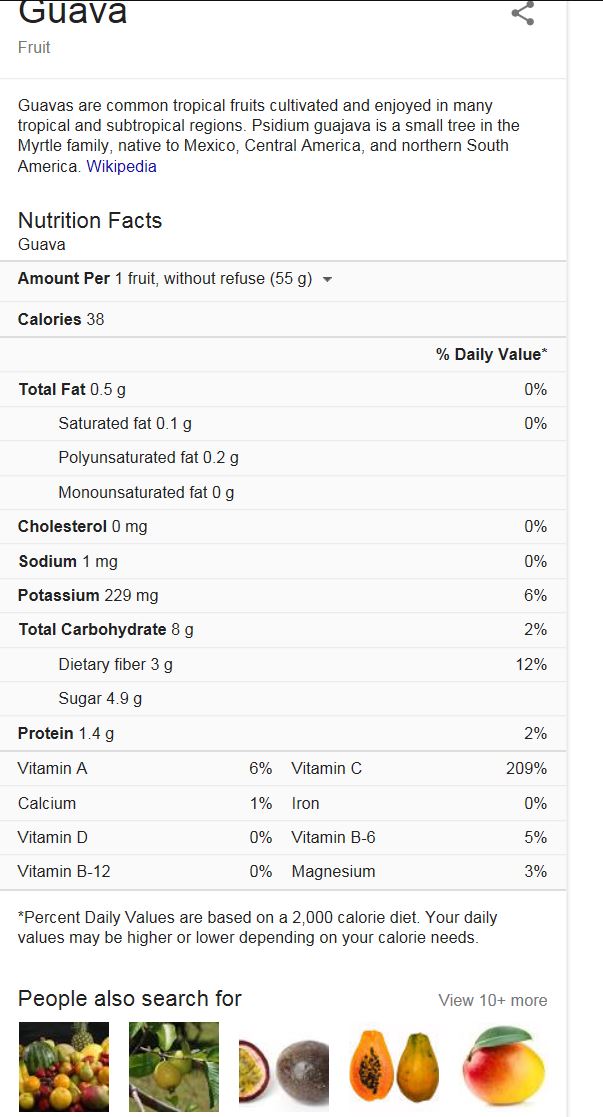
Guava and water apple are good for diabetics.  A decoction of the astringent bark of the water apple is used as a local application on thrush.  Guava leaves are boiled to wash skin from dermatitis and other skin disorders.  Guava is rich in Vit C and other nutrients.

guava picwater apple imawater appleguava


By Jessica Bruso

The young leaves of the guava plant are used in traditional medicine in tropical countries. These leaves contain a number of beneficial substances, including antioxidants like vitamin C and flavonoids such as quercetin. Drinking a tea made by soaking guava leaves in hot water may be beneficial in treating diarrhea, lowering cholesterol and preventing diabetes.

Diarrhea

Guava leaf tea may help to inhibit a variety of diarrhea-causing bacteria. People with diarrhea who drink this type of tea may experience fewer stools, less abdominal pain, less watery stools and a quicker recovery, according to Drugs.com. A study published in the “Revista do Instituto de Medicina Tropical de São Paulo” in 2008 found that guava-leaf extracts inhibited the growth of Staphylococcus aureus bacteria, which is a common cause of diarrhea.

High Cholesterol

Drinking guava leaf tea may cause beneficial changes in your cholesterol and triglyceride levels. Study participants who drank guava leaf tea had lower total cholesterol, low-density lipoprotein levels and triglycerides after eight weeks whether or not they were receiving medical treatment to lower their cholesterol levels, according to an article published in “Nutrition & Metabolism” in February 2010. Their levels of beneficial high-density lipoprotein were not affected. Other trials have shown similar benefits, with study lengths ranging from four weeks to 12 weeks and doses ranging from 0.4 to 1 kilogram per day, according to Drugs.com.

Diabetes

Japan has approved guava leaf tea as one of the Foods for Specified Health Uses to help with the prevention and treatment of diabetes. Compounds in the tea inhibit the absorption of two types of sugars, maltose and sucrose, helping to control blood sugar levels after meals. The article published in “Nutrition & Metabolism” described two studies showing this effect. The first study showed the short-term benefits, as participants who drank guava leaf tea after consuming white rice had decreases in blood sugar that were greater after 30 minutes, 90 minutes and 120 minutes than when the same study participants ate the same amount of white rice followed by drinking hot water. In the second, longer-term study participants with either prediabetes or mild Type 2 diabetes who drank guava leaf tea with every meal for 12 weeks had lower fasting blood-sugar levels than before they started drinking the tea.

Considerations

Studies showing the benefits of guava leaf tea are still preliminary, and more evidence is needed to verify the beneficial effects found by the few existing studies. However, there are no well-documented adverse effects or drug interactions with guava leaf tea. Pregnant women may want to avoid drinking this type of tea, as there isn’t sufficient evidence about its safety at this time.

Atopic dermatitis and psoriasis by Dr Mercola

Eczema (atopic dermatitis), and the closely associated psoriasis, are two very common skin problems.

Both eczema and psoriasis are potentially allergic conditions that can be triggered by environmental factors and dozens of other external irritants like:

  • Laundry detergent
  • Soaps
  • Household chemicals
  • Workplace chemicals
  • Perfumes
  • Animal dander
  • Metals (such as nickel in jewelry)

While psoriasis is most often linked with external allergic triggers, eczema is often caused by food allergies.

However, although they’re different diseases and have varying triggers, their treatments have many commonalities. .

How to Effectively and Inexpensively Treat Eczema and Psoriasis

Eczema is “the itch that rashes,” meaning, there’s really no rash until you start scratching the itchy area. Hence, the first thing you need to do is to stop scratching!

Addressing the itch — As anyone with eczema will attest, this is easier said than done. But fortunately, there IS a really simple, inexpensive way to relieve the itch: Simply put a saltwater compress over the itchy area.

You’ll want to use a high quality natural salt, such as Himalayan salt. Simply make a solution with warm water, soak a compress, and apply the compress over the affected area. You’ll be amazed to find that the itching will virtually disappear!

Another method that can be helpful for reducing or stopping the itch is EFT.

Proper skin hydration – When working with any type of skin condition, you need to make sure your skin is optimally hydrated. Skin creams are rarely the answer here, but rather you’ll want to hydrate your skin from the inside out by consuming high quality, animal-based omega-3 fats in your diet.

Your best sources for omega-3s are animal-based fats like krill oil or fish oil. I also find it helpful to include a bit of gamma linoleic acid, typically in the form of primrose oil, as this works remarkably well for eczema.  Products like “krill for women” are good for both sexes for this condition as they have both fatty acids.

Plant-based omega-3s like flax and hemp seed, although decent omega-3 sources in general, will not provide the clinical benefit you need to reduce inflammation and swelling in your skin.

Secondly, you’ll want to reduce your exposure to harsh soaps and drying out your skin with excessive bathing. Use a very mild soap when you cleanse your skin, especially in the winter to avoid stripping your skin of moisture.

Taking care of your gut = Taking care of your skin – Many don’t realize this, but the health and quality of your skin is strongly linked to the health of your gut. I recommend taking a high quality probiotic to ensure optimal digestive health. Fermented foods can be used as well, but are neither as common nor as easy to use.

Diet and skin quality – Food allergies play an enormous role in eczema. In my experience, the most common offending agent is wheat, or more specifically, gluten. Avoiding wheat and other gluten-containing grains is therefore a wise first step.

If you were to visit my clinic outside of Chicago as a new patient, one of the first steps we would advise would be to go on a gluten-free diet for a number of weeks and carefully observe any health improvements.  This is an enormously common problem and many of our patients are surprised to find how much improvement they actually achieve from this step.

Avoiding grains will also reduce the amount of sugar in your system, which will normalize your insulin levels and reduce any and all inflammatory conditions you may have, including inflammation in your skin.

Other common allergens include milk and eggs. I recommend you do an elimination trial with these foods as well. You should see some improvement in about a week, sometimes less, after eliminating them from your diet if either of them is causing you trouble.

Basking in the sun – Vitamin D in the form of sun exposure is your best friend when dealing with either of these skin conditions, but it’s especially helpful for psoriasis.

I produced a one-hour lecture that explains the health benefits of this long under-appreciated vitamin, so if you haven’t seen it already, I strongly recommend you take the time to watch this free video now.

Ideally, you’ll want to get your vitamin D from appropriate sunshine exposure because UVB radiation on your skin will not only metabolize vitamin D, but will also help restore ideal skin function. High amounts of UVB exposure directly on affected skin – but not so much to cause sunburn! – will greatly improve the quality of your skin.

However, if you can’t get sufficient amounts of sun during the winter months, a high quality safe tanning bed can suffice. A safe tanning bed will provide the optimized forms of UVA and UVB wavelengths, without dangerous magnetic skin balance.

What causes bloatedness in the morning?

What causes bloatedness in the morning? by Connie b. Dellobuono

Answer by Connie b. Dellobuono:

A combo of the different microbiota or good/bad bugs in our intestines. I would take acidophilus in the evening and digestive enzymes in the morning (add garlic and pickled veggies in the diet, chew food well, drink water 30min before and after a meal and eat whole foods between 5am to 5pm). Do a liver and kidney detox. And see a doctor.

What causes bloatedness in the morning?

Genetics of Alzheimer’s or Dementia

Many people with dementia are concerned that they have inherited the condition and that they may in turn pass it on to their children. Also, family members of people with dementia are sometimes concerned that they might be more likely to develop dementia themselves. Genes can play a role in the development of dementia, but their effects are complicated and patterns of inheritance vary considerably. This factsheet outlines the present state of knowledge about the genetics of dementia.

Genes and inheritance

Characteristics that we have inherited from our parents are passed down to us in the form of thousands of genes, the basic units of inheritance. Genes are made from DNA and are found packed within each cell of our bodies on structures called chromosomes. We have 23 pairs of chromosomes and we inherit two copies of each gene, one from each parent.

Genes provide the instructions needed to build our bodies. While many of our genes are identical for all of us, some genes have slight variations that account for the physical differences between people, and also underlie many diseases. Some of these variations between genes are common and are called genetic ‘variants’, while others are rare and are called ‘mutations’.

Some of our physical characteristics are inherited in a relatively simple way, such as our blood group, which can be traced to a single gene. More often, our individual qualities (eg height) reflect the complicated effects of many different genes. Both simple and complex (multi-gene) patterns of inheritance are seen in dementia.

Although genes are important in building our bodies, most of our physical characteristics and the diseases we may experience are also greatly influenced by our environment and lifestyle, which act to modify the effects of our genetic inheritance.

For more information see factsheet 450, Am I at risk of developing dementia?

Genes and Alzheimer’s disease

Alzheimer’s disease is the most common form of dementia and, of all the main types of dementia, the genetics of Alzheimer’s is the best understood. We can consider the disease to have two forms: the rare early onset Alzheimer’s disease, where first symptoms appear before the age of 65; and the much more common late onset Alzheimer’s disease, where typically the first symptoms develop after this age. These two types of Alzheimer’s disease generally have different patterns of genetic inheritance.

Early onset Alzheimer’s disease

This form of Alzheimer’s tends to cluster within families, sometimes with several generations affected, in which case it is called familial disease. In some of these cases, early onset Alzheimer’s is caused by mutations in one of three genes. These three genes are the amyloid precursor protein gene (APP) and two presenilin genes (PSEN-1 and PSEN-2). People with any of these extremely rare mutations tend to develop Alzheimer’s disease in their 30s or 40s.

The prevalence of the defective versions of these genes is as follows:

  • More than 80 known families worldwide have a mutation in the APP gene on chromosome 21, which affects production of the protein amyloid. A build-up of amyloid in the brain has been linked to Alzheimer’s disease.
  • Nearly 400 known families worldwide carry a mutation in the PSEN-1 gene on chromosome 14. This causes up to half of all early onset familial Alzheimer’s disease, with first symptoms from as early as 30 years of age.
  • Only a few dozen known families (mainly resident in the United States) have a mutation in PSEN-2 on chromosome 1, causing early onset familial Alzheimer’s disease that starts slightly later than for PSEN-1.

It is important to note that these mutations are extremely rare and account for fewer than one in 1,000 cases of Alzheimer’s disease.

It is likely that all of those who inherit faulty versions of any of these three genes will develop Alzheimer’s disease at a comparatively early age. On average, half of the children of a person with one of these rare genetic mutations will inherit the disease. People who do not inherit the mutation cannot pass it on.

If you have two or more close relatives (a close relative is defined as a parent, brother or sister) who developed Alzheimer’s disease before the age of 60, your GP can advise you about genetic testing and counselling for these rare mutations, and refer you to a geneticist, if appropriate.

Late onset Alzheimer’s disease

Late onset Alzheimer’s disease is much more common than early onset Alzheimer’s disease and its inheritance follows a more complex pattern. This means that having a relative with this form of Alzheimer’s increases your own chances of developing it, but not in a predictable way.

A small but growing number of genes have now been identified which affect – to different degrees – the chances of developing late onset Alzheimer’s. The effects of these genes are subtle, with variations acting to increase or decrease the risk of developing Alzheimer’s disease, but not directly to cause it.

The gene with the greatest known influence on the risk of developing late onset Alzheimer’s disease is called apolipoprotein E (APOE). This gene is found on chromosome 19 and comes in three forms, which by convention are named with the Greek letter epsilon (ε):

  • APOE ε2
  • APOE ε3
  • APOE ε4.

We all have two copies of the APOE gene, and these may be the same as each other or different. Hence we each have one of the six possible combinations: ε2/ε2, ε2/ε3, ε3/ε3, ε2/ε4, ε3/ε4 or ε4/ε4.

  • APOE ε4 is associated with a higher risk of Alzheimer’s. About a quarter of the general population inherits one copy of the APOE ε4 gene. This increases their lifetime risk of developing Alzheimer’s disease by up to four times.
  • About 2 per cent of the population gets a ‘double dose’ of the APOE ε4 gene – one from each parent. This increases their risk of developing Alzheimer’s disease by about 10 times or more. However, even then, they are not certain to develop Alzheimer’s.
  • About 60 per cent of the population has a ‘double dose’ of the APOE ε3 gene and is at ‘average’ risk. Up to half of this group develops Alzheimer’s disease by their late 80s.
  • The APOE ε2 form of the gene is mildly protective against Alzheimer’s: people with it are slightly less likely to develop the disease. In the general population, 11 per cent has one copy of APOE ε2 together with a copy of APOE ε3, and one in 200 (0.5 per cent) has two copies of APOE ε2.

Some researchers think that APOE ε4 does not affect whether a person will get Alzheimer’s disease but the age at which they get it. This suggests that people with APOE ε4 are likely to develop the disease before people with APOE ε2.

Until recently, APOE was the only gene to be consistently linked to the risk of late onset Alzheimer’s disease. Recent scientific developments have allowed researchers to test many more genes to see whether there are additional links with Alzheimer’s disease. This approach has revealed further genes which are linked to increased risk, called CLU, PICALM, CR1, BIN1, ABCA7, MS4A, CD33, EPHA1 and CD2AP. Variants in these genes are linked to significant differences in risk of Alzheimer’s, but their effects are much smaller than for APOE.

Research to find further risk and protective genes is ongoing. In particular, several teams from Europe and the USA have now joined forces to create the International Genomics of Alzheimer’s Project. These researchers hope to carry out the largest genetics study of Alzheimer’s disease to date, and to provide further insights into the inheritance of the condition.

It is natural for someone whose relative has been diagnosed with Alzheimer’s disease to wonder whether they are at increased risk. For someone with a close relative (parent or sibling) who is diagnosed with late onset Alzheimer’s disease, the evidence is that their own risk of developing Alzheimer’s is increased – on average, about doubled – over their lifetime. However, this does not mean that Alzheimer’s is inevitable for them, and everyone can reduce their overall risk by adopting a healthy lifestyle.

Vascular dementia

Vascular dementia is the second most common form of dementia. There are no established direct genetic causes for the more common forms of vascular dementia, but researchers are looking for risk genes for the disease.

Some studies have reported links between APOE (see above) and vascular dementia, but others have not. The most recent findings suggest that APOE ε4 is a risk factor for vascular dementia, but with weaker effects than for Alzheimer’s disease. There are also known genes that contribute to some of the underlying risk factors for vascular dementia, such as high cholesterol levels, high blood pressure and diabetes. Overall, the role of genes in the development of the more common forms of vascular dementia seems to be less significant than in late onset Alzheimer’s disease.

By contrast, some very rare forms of vascular dementia are caused by known simple genetic defects. For example, mutations in a gene called NOTCH3 cause a rare form of vascular dementia known as cerebral autosomal dominant arteriopathy with subcortical infarcts and leukoencephalopathy (CADASIL). CADASIL is inherited in a simple, single-gene pattern similar to early onset familial Alzheimer’s disease.

Fronto-temporal dementia

Fronto-temporal dementia (FTD), especially the behavioural form of FTD, quite often runs in families. In up to 30 per cent of people with FTD, the dementia is caused by a mutation in a single gene. The most common genes to be affected are for the proteins tau (MAPT) and progranulin (GRN), and a gene called C9orf72. On average, half of the children of someone with such a mutation will inherit the gene and develop FTD. Families with known mutations will be offered referral to specialist genetics services and counselling.

For information about this type of dementia, see factsheet 404, What is frontotemporal dementia?

Dementia with Lewy bodies

The genetics of dementia with Lewy bodies (DLB) is not well understood, although – as for most other common forms of dementia – there are both rare familial cases and more common cases not linked to family history.

The symptoms of DLB overlap with those of both Alzheimer’s disease and Parkinson’s disease with dementia, and there is evidence that some of the risk genes for DLB are also known risk genes for these other dementias. Whether these overlapping risk genes include APOE (see above) is not yet clear.

For information about this type of dementia, see factsheet 403, What is dementia with Lewy bodies (DLB)?

Down’s syndrome

People with Down’s syndrome are at particular risk of developing dementia. This is typically Alzheimer’s disease, which can affect as many as 50 per cent of people with Down’s syndrome who live into their 60s. This increased risk may be present because people with Down’s have an extra copy of chromosome 21, and hence an extra copy of the amyloid precursor protein gene (APP) which is found on that chromosome. APP has been linked to Alzheimer’s disease.

For more information on Down’s syndrome and dementia, see factsheet 430, Learning disabilities and dementia.

Huntington’s disease

Huntington’s disease is a rare progressive hereditary condition caused by a mutation in a particular gene (Huntingtin). The course of the disease varies for each person, and dementia can occur at any stage. Huntington’s is inherited in a simple single-gene pattern. Someone with Huntington’s disease therefore has a 50 per cent chance of passing it on to each child, and affected families are routinely offered genetic counselling (see ‘Genetic testing and counselling’ below).

Genetic testing and counselling

Anyone who is worried about inheriting a form of dementia and who has a relative with the condition should speak to their GP. Although scientists are discovering more and more about the genetics of late onset Alzheimer’s disease, there are no approved tests for this condition. However, if you have more than one family member affected by early onset Alzheimer’s, and particularly if your family members first showed signs of the disease between the ages of 30 and 50, you may be referred to a regional genetics clinic. Here you will be given more information and an opportunity to discuss the risk to yourself and other family members.

For some families with early onset familial Alzheimer’s disease it may be possible to identify a specific genetic mutation that is responsible for the disease in that family. If such a mutation is found in your family this raises the possibility of testing to see if you too have the mutation. This sort of testing is called ‘predictive testing’, and is currently offered to people with genetic diseases with predictable inheritance patterns, such as Huntington’s disease. Before having such a predictive test you will be offered extensive counselling to make sure it is the right decision for you.

The pros and cons of genetic testing

Genetic testing for the rare single-gene causes of dementia is available through referral to genetics services. Testing for risk genes such as APOE is not generally recommended but is still commercially available.

Genetic testing is not a straightforward issue and individuals need to think very carefully before deciding to take such a test. The experience might be very difficult emotionally, may not provide conclusive results either way, and may cause practical difficulties.

On the positive side, genetic testing might:

  • help genetic researchers understand the disease better and so lead to improved treatment
  • encourage someone to adopt a healthier lifestyle
  • help people to plan for the future.

However, genetic testing may create problems, for the following reasons:

  • A genetic defect cannot be repaired, and effective treatment to slow the disease is not yet generally available. A gene test might therefore raise anxiety without offering a clear course of action.
  • In the case of genetic testing for APOE variants there is a risk of reading too much into the test results. Testing positive for one or two copies of APOE ε4 does not mean a person will definitely develop late onset Alzheimer’s disease. Testing negative for APOE ε4 does not guarantee that they will be free from Alzheimer’s.
  • People testing positive for any genetic test could face discrimination affecting their ability to buy property, get insurance or plan financially for their old age, although there is a moratorium (delay or suspension of an activity or law) on the use of genetic information by UK insurance companies until 2017. This means that the companies cannot use this information at the moment.

For details of Alzheimer’s Society services in your area, visit alzheimers.org.uk/localinfo

For information about a wide range of dementia-related topics, visit alzheimers.org.uk/factsheets

Factsheet 405

Last reviewed: July 2012
Next review due: July 2015

Reviewed by: Dr Paul Hollingworth, School of Psychology, Cardiff University and Dr Robert C Green, Division of Genetics, Department of Medicine, Brigham and Women’s Hospital and Harvard Medical School, Boston, Massachusetts