
|
What are the most common causes of fatigue? |
| Feeling tired? Learn about the causes of fatigue and get tips to relieve symptoms. Feel less tired and start living awake and refreshed. Common causes: UTI, lack of sleep, apnea, anemia, hypothyroidism, diet – lack of whole foods, depression, diabetes, shift work schedule and heart disease. Email motherhealth@gmail.com to find other resources, tips and tricks related to fatigue or search this site for hypothyroidism, fatigue, sleep, apnea, heart disease, UTI, diabetes and chronic fatigue syndrome. |
Sen Kamala Harris Statement On Failure of Affordable Care Act Repeal
Sen Kamala Harris Statement On Failure of Affordable Care Act Repeal
Friend,
Last night, U.S. Senator Kamala D. Harris released the following statement on the failure of the Republican efforts to repeal the ACA and strip millions of their health care coverage:
“Tonight, the message sent by the American people was vindicated: Republicans must no longer play politics with people’s lives. Tonight, veterans and working families who rely on Medicaid are more secure. Seniors in nursing homes and children with complex medical conditions are more secure. And cancer patients and those with preexisting conditions are more secure. And it’s because of the tireless efforts of Americans all across the country who wrote letters, made phone calls, showed up at rallies and town halls, told their stories and made their voices heard. You did this.
“The fight for quality, affordable health was never simply a partisan squabblethis has been a battle over the values of our nation. And tonight demonstrates again that we should be a country where health care is a right for all, not a privilege for the few.
“The American people deserve a government that solves problems, regardless of party. I look forward to the opportunity to strengthen the Affordable Care Act and hope to work in an open and transparent process with colleagues in both parties to accomplish that goal. With this partisan process behind us, let’s embark on a new chapter of bipartisan health care reform focused on ensuring the best quality care for all Americans.”

After last night’s vote, millions throughout California and the country can rest assured that they still have access to quality, affordable health care. As state director, I’m proud to work for a Senator that continues to protect California’s families and be a voice for the state of California.
Thanks,
Julie
Julie Chávez Rodríguez
State Director
U.S. Senator Kamala D. Harris
Personalized Senior Care Plan – SCP for Southbay and Peninsula families
Our Personalized Care PlanWe Comprehensively Assess:
|
Complete SupportWe can help you:
|
One Point of ContactYour SCP Senior Service Manager can help you:
|
Optimal CareYour SCP Senior Service Manager facilitates care by:
|
How to get started:
Call our office (408)8541883 for a free telephone consultation (and email , motherhealth@gmail.com ) with a Senior Service Manager to see if SCP is a service that will work or you and your elder loved one. Our Senior Service Manager rate of $100 per hour, with no minimum requirement, is billed weekly and is payable by paypal or check. Presently, the geographic area served is the South Bay and Peninsula Area.
Researchers boost cancer screening rates visiting NYC barbershops
Office of Clinical Preventive Medicine in California Links
Mobile Health News 7-28-2017
Roundup: Digital health provider news from Q2 2017
The second quarter of 2017 was full of news from hospitals and other providers. Read on for our roundup of partnerships, deployments, research projects and more. Hospital news Despite ongoing controversy about data management, DeepMind, the AI-focused, UK-based Google subsidiary, announced this quarter that it would roll out its Streams app in a second hospital. The deployment of the app at Musgrove Park Hospital marks the start of a planned five-year rollout with the Taunton and Somerset NHS Foundation Trust. Streams has been developed in collaboration with kidney experts at the Royal Free Hospital London. The app is designed to help doctors get information about their acute kidney failure patients, including blood tests, faster, which will enable faster diagnostics in situations where time is of the essence. The app uses ‘breaking news’ alerts to make sure doctors’ attention is directed to the patients who need it the most in the moment. It was a busy quarter for the Mayo Clinic. Epic announced that it will embed authoritative health information from Mayo Clinic in its MyChart and MyChart Bedside portals, aiming to give patients the opportunity to put their healthcare into context. Epic hopes that offering patients at its ambulatory and inpatient clients access to this expertise – more than 18,000 pages of it, covering some 4,000 healthcare topics – will help them learn more about symptoms, conditions, healthy living information and more. Virtual medical assistant company Sensely also began a collaboration with the Mayo Clinic to ascertain how to leverage patient engagement and chronic disease monitoring technology. The partnership will blend the Mayo Clinic’s triage algorithms and clinical expertise with Sensely’s patient engagement platform in hopes of assessing and predicting which resources can be best used at the right time to help patients without requiring them to leave their homes. Finally, the Mayo Clinic and 2bPrecise, the cloud-based precision medicine platform, also inked a technology licensing agreement and also announced a research collaboration to develop genomics-based care protocols. Using the 2bPrecise platform and the Mayo Clinic’s electronic phenotyping algorithms and clinical expertise, the two hope to apply those protocols to research in patients with cardiovascular genetic disease. Another hospital that made a lot of news this quarter was Boston Children’s Hospital. Children’s is the latest to tackle the problem of continuity of care between a patient’s doctor and any emergency room or urgent care center they might find themselves in, testing the technology, from startup Position Health, on some of their smallest and most high risk patients. With Position Health’s offering, parents of these high-risk infants will download an app on their phone that will run constantly in the background. Using geolocation, the app detects when the patient enters a hospital emergency department and pings them to ask if they’re there to receive care for their child. If they are, their doctor is notified automatically and can reach out to the facility to tell them anything they need to know. Boston Children’s Hospital also rolled into phase two of its deployment of GetWellNetwork’s patient engagement and education platform, which is rooted in putting patients at the center of care by equipping them with digital tools and information to be an active participant in their treatment and condition management. By providing tools for both patients and staff, the GetWellNetwork platform is designed to help hospitals guide patients and their families through self-management of their conditions (pre- and post-admission care) and overall health education while also improving hospitals’ outcome goals. Phase two will expand the deployment from 250 beds to 386, add a new tool for patient-physician communication called the Interactive Patient Whiteboard, and integrate with Boston Children’s patient portal. Additionally, Boston Children’s Hospital and Duke Health System came together this quarter to develop an Apple CareKit-based iOS app called Caremap, designed to help families securely track their children’s health and share that data with members of their ongoing care team. The app can also serve as a detailed repository of critical information such as allergies, devices in use or emergency action plans. Boston-based Partners HealthCare announced plans to integrate deep learning technology from GE Healthcareacross its network. The 10-year collaboration will involve Massachusetts General Hospital and Brigham and Women’s Hospital Center for Clinical Data Science.The initiative will feature co-located, multidisciplinary teams with broad access to data, computational infrastructure and clinical expertise. The initial focus will be on the development of applications aimed at improving clinician productivity and patient outcomes in diagnostic imaging. Partners also entered into a four-year partnership deal with Persistent Systems to build clinical decision support systems for various departments throughout the hospital. The two groups will work together to develop an open sourced platform based on SMART and FHIR. Cedars-Sinai Hospital in Los Angeles partnered with Noteworth, a startup from the second cohort of its accelerator, to give physicians in several hospital departments new tools to monitor the health of their patients at home. The deal is a three-year engagement. Noteworth is being deployed at the hospital’s heart institute, where it will be used with hypertension and congestive heart failure patients; the diabetes treatment and education center, where it will be offered to patients with diabetes and with thyroid disorders; and the obstetrics and gynecology department, where the focus will be on women with high-risk pregnancies. James Cook University Hospital in Middlesbrough, United Kingdom tapped the services of UK-based digital health company Inhealthcare, which offers a remote monitoring platform used by many National Health Services agencies. It’s part of the hospital’s North England Regional Back Pain Programme – an initiative funded by healthcare charity Health Foundation that is investing over $4.5 million in innovative healthcare projects that can be delivered at scale. Inhealthcare is providing the tools to monitor 3,600 patients who are being treated for back pain in the North East region by sending clinical questionnaires via the web to the patients after they have been referred for treatment by their doctors. All patients voluntarily signed up to receive the questions periodically, and their answers are integrated into existing NHS clinical systems such as SystemOne and EMIS Web. The Montreal Heart Institute (MHI), Canada’s largest cardiac center, became the latest hospital to use SeamlessMD’s mobile patient engagement and care management system. Notably it’s the first cardiac center in North America to use the technology. Toronto-based SeamlessMD makes a suite of mobile products aimed at patients recovering from surgery. The platform helps patients and providers track a patient’s progress, starting from before their operation and going through their recovery. Nnearly 70 percent of American adults who have a behavioral health condition also have a medical co-morbidity, which led the Bronx, New York-based Montefiore Health System to begin integrating mental health treatment with primary care. It’s a model that has been embraced under mental health parity laws, but typically requires having co-located mental health services at the clinics. So Montefiore is working around the specialist shortages by implementing digital tools,funded by a grant from the Center for Medicare and Medicaid Innovation (CMMI). The most recent example is their 238 patient pilot with Valera Health, makers of a smartphone app and platform to improve treatment of anxiety and depression. Hospital wayfinding app company Connexient deployed its app at The Jewish Hospital in Cincinnati, Ohio. The hospital is part of Mercy Health, a health system with 180 locations across Ohio and Kentucky. The app, which runs on Connexient’s MediNav platform, is called “Right this Way”. It offers detailed indoor maps to help patients navigate the hospital which can pinpoint the user’s location within a few meters and give step-by-step directions to different areas. The app also allows patients or visitors to save the location of their car in the parking garage and be guided back to it. This is achieved by installing Bluetooth beacons around the hospital. Seattle Children’s Hospital tapped First Databank, provider of a vast database on drugs and medical device information, to deploy its medication adherence and education tool called Meducation. The tool, which is a cloud-based solution that integrates with many different information systems, is aimed at pediatric patients and their family caregivers who are considered high risk for a few reasons, including language barriers, vision impairments or low health literacy. Virtual urgent care platform provider Carena announced a partnership with Aegis Health Group, which uses data analytics to help hospitals grow their patient and client basis. Through the collaboration, Carena’s hospital partners can connect with Aegis to guide them on best practices to grow, and Aegis will have the ability to educate employers about virtual care. Johns Hopkins Medicine tapped Grand Rounds – a digital health company that performs a number of medical matchmaking services like connecting consumers and employers to match patients with specialist doctors, or facilitating meetings for second opinions – to extend the reach of their remote consultations and access to in-person visits. According to a survey by Grand Rounds, 28 percent of people struggle to find a qualified specialist. With the collaboration with Johns Hopkins, Grand Rounds will use its proprietary data and machine-learning toolset to connect patients all over the United States with top neurosurgeons and orthopedic surgeons, which are among the most commonly-sought after specialties from Grand Rounds patients. Telemedicine news A lot of the quarter’s provider news revolved around telemedicine. The biggest news was probably the passing of legislation in Texas that made put an end to longterm drama around direct to consumer doctor visits in the state. You can dig in on that decision and its impacts here. The American Telemedicine Association is recruiting now for a two-year task force on climate change with four stated goals. First, the group will devise green outcomes that can be measured as part of how members routinely measure the outcome of their systems. Second, they will focus on making the ATA itself more environmentally conscious by reducing travel. The other two goals are about demonstrating the potential positive effects of telemedicine on the environment. The task force will look to show how telemedicine can create more sustainable healthcare practices and how telemedicine can aid in responding to health emergencies caused by climate change — such as warming, disasters and the spread of infectious diseases. Telemedicine giant Teladoc acquired Best Doctors, a virtual medical consultation company, to enable a connected care platform focused on improving outcomes for some of the most complex medical conditions. Under the terms of the deal, which is expected to close next month, Teladoc will pay $375 million cash and $65 million of Teladoc common stock. The company reports it has secured $360 in financing from Jeffries Finance LLC and Jeffries Group LLC. Telehealth provider American Well announced two developments the company has taken to expand their footprint, both in regards to consumer accessibility as well as ease of use for providers and health systems using the platform. In a move to nudge telemedicine more firmly into traditional healthcare, American Well unveiled a new enterprise service called AW10, which contains over 100 new features specific to providers to make their experience with American Well’s platform simpler and more comprehensive. The software streamlines the enrollment and verification process for new doctors, so they can start delivering live visits within minutes. Salt-Lake City-based Intermountain Healthcare joined American Well’s online care marketplace, best known as the Exchange. Through the Exchange, Intermountain will make its nurse practitioners and physician assistants available for patient telehealth visits on Amwell. NewYork-Presbyterian revealed a pair of new telemedicine options for psychiatric and express care services that build out its existing NYP OnDemand telehealth suite. NYP went live with Express Care at its Columbia University Medical Center, which replaces in-person encounters with a video visit to slash admission-to-discharge times from an average 2.5 hours to 31 minutes, according to NYP chief innovation officer Dr. Peter Fleischut. The appointments take place on-site and enable patients to see specialists from 10 NYP hospitals. NYP also launched a telepsychiatry service so emergency department patients don’t have to come back in for a follow-up visit; this option reduced wait times from 24 hours down to under 60 minutes. Royal Philips debuted its enterprise-level telemedicine software designed for use in intensive care units at the American Telemedicine Conference in Orlando. Philips’ eCareManager, the company’s new FDA-cleared teleICU software, works to alleviate critical care team shortages by offering a platform connecting regular hospital staff with intensivists – physicians trained specifically for work in the ICU – and offering actionable insights to improve outcomes for patients with the most complex cases. An Illinois-based law firm filed a class action lawsuit against telemedicine company MDLive, alleging that the company takes screenshots of sensitive patient health information and sends them to TestFairy, an Israeli company that does quality control on apps, and that this is a violation of patient privacy. MDLive, for its part, denies that there’s anything improper about its procedures. But, almost before it began, the lawsuit was quickly over. San Francisco-based telemedicine provider Doctor on Demand added another layer to its virtual visits with the integration of laboratory services with Quest Diagnostics and LabCorp, which will be available in the coming months. Rather than interrupt their service and create additional paperwork or communication chains, clinicians practicing with Doctor on Demand can continue playing the primary role on through to the lab test-ordering and result-reading. And, as opposed to the norm of being at the mercy of their provider or institution to order and direct when, where, and how they get lab tests done, patients using Doctor on Demand will be given the option to directly choose which lab works best for them depending on price, location and insurance. Westborough, Massachusetts-based EMR provider eClinicalWorks added telehealth capabilities to its mobile app. The company’s device-agnostic platform also provides tools for practice management and patient engagement, and the addition of the TeleVisits feature aims to nudge eClinicalWorks into that one-stop-shop territory. Telemedicine platform providers – featuring integration with electronic health records, provider networks and various other data streams – are certainly not in short supply. But some healthcare professionals have been eschewing the all-inclusive approach and using the foundational technology of Zoom, the Silicon Valley-based maker of enterprise video conferencing platforms. Zoom took note of those customers, and is now offering a cloud-based video telehealth service called Zoom for Telehealth. Research news Much of the news we reported on this quarter took the form of published research, both establishing efficacy for particular digital health interventions and more general observations about the space. Additionally some major research efforts, like the NIH’s All of Us intitiative, are studying health more broadly but using digital health tools to do so. At the HIMSS Precision Medicine Summit in Boston this quarter, All of Us Director Eric Dishman talked a little bitabout the role of wearables in the program. Apps and wearables aren’t rolled out in the pilot group but will be added before too long, he said. “There’s lots of small-scale studies looking at consumer wearables and finding interesting things, but nothing that’s scaled out enough to be able to say ‘These work great for clinical research, these don’t,” he said. “…We want to and will do mHealth and personal health technologies. We’ll initially start with what people already have, but I think at some point we may have to get the industry to create something for us that would be an All of Us unique device. But I think that’s several years down the road for us.” A couple of interesting studies during the quarter shed doubt on the effectiveness of mobile health tools: A study of a 450-person cohort at 15 primary care practices across the University of North Carolina Chapel Hill health systemfound that, compared with the traditional method of in-office visits, self-monitoring of blood glucose (SMBG) via digital tools didn’t result in better health and wellness for people with non-insulin-treated type 2 diabetes. And the 1,500-patient HeartStrong Study, published in JAMA Internal Medicine casts doubt on the effectiveness of several promising medication adherence technologies and strategies, including connected pill bottles and lottery-based incentives. Ultimately, the study showed no difference in readmissions, mortality, medication adherence, or medical costs between the intervention and control groups. Results are yet to come, but The Duke Clinical Research Institute, funded by a grant from Novartis, launched a large-scale study this quarter to explore the effectiveness of mobile apps in the treatment of heart failure patients. The study, called Connect HF, is aiming to enroll 8,000 patients across 160 hospitals by the end of fall 2018, with results hoped for by the end of 2020. Additionally, new research from IBM suggests technology can fill gaps in screening for diabetic retinopathy. Using a mix of deep learning, convolutional neural networks and visual analytics technology based on 35,000 images accessed via EyePACs, the IBM technology learned to identify lesions and other markers of damage to the retina’s blood vessels, collectively assessing the presence and severity of disease. In just 20 seconds, the method was successful in classifying DR severity with 86 percent accuracy, suggesting doctors and clinicians could use the technology to have a better idea of how the disease progresses as well as identify effective treatment methods. In the form of a wrist-worn band embedded with flexible sensors and microprocessors, researchers at Stanford and the University of California Berkeley are unlocking the molecular insights from sweat that could diagnose cystic fibrosis, diabetes and other diseases. The device, which is described in an article published in the journal Proceedings of the National Academy of Sciences, sticks to the skin and stimulates sweat glands, then electronically transmits the results of which molecules are present for analysis and diagnosis. Since different molecules and ions create different electrical signals, the device can identify the presence or absence of compounds indicative of disease. Researchers ran separate studies to detect different molecules –high chloride levels suggest cystic fibrosis; high glucose can indicate diabetes. Validating whether connected devices actually can passive track caloric intake has become something of a sticking point in recent years. Researchers at the University of California Davis want to figure out if it’s possible, and so they initiated a five-year agreement with Healbe, makers of the GoBe 2 Smart Life Band fitness tracker. The band, which retails at $179, uses the company’s Flow technology, which claims to automatically track a range of metrics including human caloric intake, hydration and emotional state. Dr. Sara Schaefer said she was intrigued by the potential. Microsoft HealthVault Insights, a research-based projectusing big data to generate deeper patient health insights to improve care, brought Validic’s data connectivity platform into the mix to better understand the engagement part of the equation. Validic’s platform will serve as a key backend component by enabling Microsoft to connect to some 400 clinical and consumer devices. By creating added visibility and contextualizing health data – including trends and correlations from everyday activities and behaviors – HealthVault Insight’s mission is twofold: improve clinicians’ delivery of care on a continuum and foster a sense of personal responsibility in patients. A new partnership in the diabetes space could bring the promise of an artificial pancreas closer to reality. Senseonics, a Germantown, Maryland company working on a pill-sized, implantable continuous glucose monitor that can last 90 days without needing replacement, will work with digital, personalized medicine company TypeZero Technologies on a project to integrate readings from Senseonics devices into TypeZero’s inControl software platform, which can either be used for decision support for manual insulin dosing or automatically adjust and regulate insulin delivery via an insulin pump. The two have signed an R&D licensing agreement. Cardiogram, a startup working on algorithms to make the Apple Watch’s heart rate data clinically actionable, announced some results from its mRhythm Study. The data, presented at the Heart Rhythm Society’s 38th Annual Scientific Sessions, shows that the company’s algorithms can detect atrial fibrillation with 97 percent accuracy. Finally, Apple added some new features to its ResearchKit app. |


Roundup: Digital health payer news from Q2 2017
This quarter, news about payers was dominated by two kinds of stories: high-profile digital health partnerships for health plans and legislative efforts on the government payer side. Read on for our roundup of payer news from Q2 2017. Large health insurer news On the digital health side, we didn’t hear quite as much from health insurers this quarter as we normally do, but there were some interesting partnerships and developments. In an effort to reduce the number of missed or delayed doctor’s appointments that are attributed to a lack of dependable transportation options, Blue Cross Blue Shield Association teamed up with ride-sharing company Lyft in a nationwide partnership to provide patients with reliable rides. The San Francisco-based ride-sharing company proactively reached out to BCBS, and the service will begin rolling out over the next few months at no cost to patients. Prior to launching the service, BCBS will work to incorporate Lyft’s platform into a yet-to-be-determined delivery model, and it will function as a service carried out on BCBS’s behalf. Cigna expanded its collaboration with Omada Health, offering the digital chronic condition prevention program at no cost to members with prediabetes as well as those with an elevated risk for conditions such as heart disease and hypertension. Cigna first evaluated Omada’s digital program in 2015, and has plans to expand availability over time. And UnitedHealthcare teamed up with Adelade, marking the startup’s first accountable care program for Medicare Advantage plan members, more than 15,000 of whom could participate in the new initiative. Aledade – which was founded three years ago by former National Coordinator for Health IT Dr. Farzad Mostashari – will work with UnitedHealthcare in Arkansas to put technology and clinical best practices to work enhancing care coordination and promoting more team-based patient care. Over in the UK, London-based BioBeats signed a distribution agreement with European health insurer AXA PPP that will put its app, Hear and Now, into the hands of tens of thousands of employees at companies like JP Morgan and KPMC. “Hear and Now” is designed to help employees cope with work stress. It monitors a user’s heart rate and respiration while providing the user with mindful breathing exercises to complete. Finally, an undisclosed large health plan in Texas, serving more than 200,000 Medicaid members, launched the MyVitalData app from Vital Data Technology, a patient engagement and care coordination app that gives users access to medical information such as immunizations, medications, lab results and health plan details, as well as tools to find the right care. Smaller startup health plans were also in the news this quarter — some for positive developments and some not so much. News broke this quarter that the FBI is looking into allegations of fraud health plan Zoom+ may have committed in effort to avoid losing money from required risk adjustment payments. Allegedly, Zoom+ retroactively falsified medical claims to get out of the an Affordable Care Act-mandated requirement that decrees health plans with healthy members must pay into a pool to offset the high costs attributed to their sicker members. Health insurance startup Oscar Health had a very active quarter. The startup introduced a virtual clinical dashboard that displays multiple steps of an Oscar member’s medical journey, with the goal being to offer a more readable profile of their health; laid out its strategy for expandinginto additional states; and announced a partnership with the the Cleveland Clinic to offer co-branded health insurance in Ohio. Employer news The quarter included some discouraging indications for value-based care as digital health startup Twine Health pivoted from working with risk-sharing hospitals to focusing on employee populations. “Their risk-based contracts are just not risky enough,” Twine Health CEO John O. Moore told MobiHealthNews. “They don’t have enough of an incentive to really do what, in parallel, we were seeing our workplace health providers do. So we said ‘there’s a dramatic difference in uptake here of Twine in these workplace health providers and ACOs, so we’re going to put all our effort into the workplace health providers.’” Another company that made news in the corporate wellness space this quarter was Fitbit, which reorganized its business to better focus on employee wellness. In May, the company merged Fitbit Group Health and Fitbit Digital Health into a single entity called Fitbit Health Solutions. “We are integrating because of increasing traction in the healthcare space,” Amy McDonough, who previously served as the vice president of Group Health and will now hold the position of senior vice president of Fitbit Health Solutions, told MobiHealthNews. “Our charge as Fitbit Health Solutions is to take on a more significant role in helping not only employers, but also health plans, and health systems address the ongoing challenges of health engagement, prevention and care management.” CMS news Much of the quarter’s payer-related news involved the Centers for Medicare and Medicaid Services (CMS) and the changing reimbursement landscape for digital health and telemedicine. In April, the Senators Cory Gardner (R-Colorado) and Gary Peters (D-Missouri) introduced the Telehealth Innovation and Improvement Act, which require the Center for Medicare and Medicaid Innovation (CMMI) to “test the effect of including telehealth services in Medicare health care delivery reform models.” The bill would require the Department of Health and Human Services to allow eligible hospitals to test telehealth services through CMMI. Another bipartisan bill, the Creating Opportunities Now for Necessary and Effective Care Technologies (CONNECT) for Health Act, was introduced in May. The bill primarily works to waive restrictions around Medicare telehealth coverage that many consider outdated or arbitrary. Along with the Senators, it also has the support of the American Medical Association, the American Telemedicine Association, and the Alliance for Connected Care along with many industry groups, health systems and tech vendors. Yet another bill, the Creating High Quality Results and Outcomes Necessary to Improve Chronic Care Act of 2017 (CHRONIC), aims to hone in on Medicare payment reform in order to expand telemedicine services for chronic disease management and at-home care coordination. This bill was also introduced in April. All three bills are currently being considered by the finance committee. In other CMS news, Silicon Valley company Able Health, which helps providers navigate complex payment programs, was approved by CMS as a MIPS Qualified Registry under the Merit-based Incentive Payment System. This will allow the company to submit data to CMS, which will help provider customers to more easily track their performance and secure reimbursement. Finally, the Center for Connected Health Policy released the fifth edition of its State Telehealth Laws and Reimbursement Policies Report. The report found that 48 states and Washington, D.C., provide reimbursement for some form of live video in Medicaid fee-for-service. Specifically, 13 states reimburse for store-and-forward delivered services in Medicaid; states that only provide reimbursement for teleradiology were not counted in this number. Twenty-two states reimburse in Medicaid for remote patient monitoring. |

Roundup: Digital health pharma news from Q2 2017
In Q2 2017, we continued to see more pharma companies step up their efforts in digital health, from app launches to FDA clearances to wearable usage in clinical trials. Read on below for a summary of those moves. In a move that could have growing significance for pharma going forward, the Clinical Trials Transformation Initiative (CTTI), a public-private partnership of pharma companies, academics, and regulators, including FDA, looking to create a new “gold standard” of clinical trial design using digital technology, released new endpoint recommendations focused on the use of mobile technology in clinical trials. “By engaging with experts who have been early champions of mobile technology in trials and combining that with patient insights, CTTI has created practical recommendations and action-oriented tools that have the potential to really accelerate the use of mobile technology in clinical trials,” Craig Lipset, Pfizer’s head of clinical innovation, said in a statement at the time. “In particular, the use cases provide a realistic pathway for incorporating novel endpoints through technology into clinical development programs. CTTI’s recommendations show we may be closer than previously believed to realizing the benefits of these novel endpoints, creating a sense of urgency to act.” Along those same lines, life sciences consulting firm Parexel teamed up with Sanofi to research the role of wearables in clinical trials this quarter. While sensor-enabled devices have increasingly featured in a variety of research projects and studies, their efficacy and accuracy remains a point of debate, and Parexel and Sanofi hope to investigate that question. Together, Sanofi and Parexel are leveraging their respective clinical, regulatory, logistical and technical expertise to determine how wearables can optimize data collection and study performance, ultimately resulting in faster drug development. Shire Pharmaceuticals is taking another approach to innovating research, teaming up with online patient network PatientsLikeMe to develop digital communities and create research opportunities for people with highly specialized, often underserved conditions. Through the multi-year collaboration with Shire, the two companies will focus their efforts on creating more opportunities to connect patients with rare diseases through PatientsLikeMe’s platform, which allows anyone with a chronic condition the opportunity to track and share symptom and treatment experiences and contribute data for research. The quarter also saw Japanese pharmaceutical company Otsuka and startup Proteus Digital Health make a second try for FDA clearance for the first ever drug with a bundled sensor. One year after the FDA declined to approve the new sensor-embedded formulation of antipsychotic drug Abilify, the companies are giving it another shot, resubmitting the application with additional information. As before, the application is a New Drug Application (NDA) — both the Proteus system itself and Abilify are already FDA cleared and approved, respectively. The companies expect to hear back by Q4. The rest of the quarter’s pharma news had to do with the launch of new apps and/or connected adherence devices from various pharma companies. Roche chose to up its app game late in the quarter through acquisition, snapping up longtime partner mySugr. Under the agreement, mySugr will continue to function as a separate legal entity, but will serve as the central point of Roche Diabetes Care’s patient-focused digital health services. mySugr, which was founded in 2012, is now present in 52 countries spanning 13 languages. People with diabetes use the mySugr GmbH app and service for coaching, testing trips and automated data tracking thanks to integration with a wide variety of connected devices. In Japan, several pharma companies tapped Japanese startup Welby to help build their apps. Welby will develop an app for irritable bowel disease patients with Johnson & Johnson subsidiary Janssen; an app for pulmonary arterial hypertension (PAH) patients with Japanese pharma company Nippon Shinyaku, and an app for rheumatoid arthritis patients with UCB Japan. Welby works with at least 10 pharmaceutical companies altogether, making apps for lifestyle-related illnesses, chronic pain, central nervous system diseases, oncology, immunology, and rare diseases. Sanofi quietly received FDA clearance in April for a smartphone app with a built-in insulin dose calculator. According to FDA documents, the app, cleared at the end of March, is called My Dose Coach. A pending trademark application gives a more in-depth description of the app, describing it as “downloadable software in the nature of a mobile application for use by patients with diabetes, for calculating and monitoring insulin dosages”. The trademark application also suggests the app will contain some kind of database of diabetes information. Synergy Pharmaceuticals launched an interesting app for people with Chronic Ideopathic Constipation, an educational app that features a team of animated emojis called The Poop Troop. The free keyboard app, available on the App Store and Google Play, features a cast of anthropomorphic turds representing different stages of the bowel movement continuum, from constipation to normal to diarrhea. The aim of the app, which is part of Synergy’s Confront Constipation initiative, is to spark more productive conversations in hopes of improving treatment. Synergy focuses on research and development of new therapies for a range of gastrointestinal conditions, so the app could help people with CIC and their doctors better understand how they are responding to medication. One the device side, Bayer received FDA approval for a connected auto-injector for relapsing-remitting multiple sclerosis medication and companion app. The device is called the Betaconnect Electronic Autoinjector and the app, due out in July, is myBetaApp. The Whippany, New Jersey-based pharma company didn’t clear the app and device through the 510(k) medical device pathway; instead the agency approved a supplemental Biologics License Application for the drug, Betaseron. And Crystal Lake, Illinois-based Aptar Pharma is teaming up with digital health startup Kali Care to develop a new way of measuring adherence to eye drops in clinical trials. Because they are somewhat onerous to use, eye drops have even lower rates of adherence than other medications. Kali Care, based in Silicon Valley, makes a small sensor that can be installed in a container for eye drop medications. Finally, Merck and Amazon Web Services teamed up to launch a developer competition that plans to harness artificial intelligence for people with diabetes. Dubbed the Alexa Diabetes Challenge, and powered by Luminary Labs, the contest aims to incent startups and individual developers to create apps that harness Amazon’s Alexa voice-enabled technologies particularly for patients recently diagnosed with Type 2 diabetes. The contest just recently announced its five finalists. |

Roundup: A bevy of digital health FDA clearances mark a busy second quarter in 2017
The FDA has been a busy agency these past few months. The second quarter of 2017 has seen a flurry of clearances, many for technologies that continue the trend toward mobile, or even wearable devices. It’s been a good period for those with diabetes, sleep disorders and traumatic injury, not to mention those just looking to maintain and manage their health – with a little digital help, of course. |
| Q2 adds 12 more digital health acquisitions, bringing midyear total to 24
With today’s acquisition of mySugr by Roche, the second quarter of 2017 hits a total of 12 digital health acquisitions —tying Q1 and bringing the total for the year so far to 24. Among these are some major names in the space, including telemedicine leader Teladoc, early digital health entrants Voxiva and GreatCall and even consumer tech giant Apple. Because only one acquisition had terms disclosed, we’ve led with that one and listed the others in chronological order. Click the “More” links to check out our past coverage of each deal. |
| 81 digital health funding deals from Q2 2017
StartUp Health’s recent funding report placed Q2 2017 as one of the biggest quarters of all time, and MobiHealthNews’s own data seems to back up that claim. During the quarter, we tracked 81 deals, totaling $2.58 billion. Read on for the full list of companies that raised equity from investors over the last three months, and click the links to check out the full story. We’ve ranked them in order from largest to smallest, with undisclosed rounds at the end. Outcome Health — $500 million. Outcome Health, a maker of waiting room screens and tablets for patient education and pharmaceutical marketing, raised at least $500 million in first round funding, lending the company a valuation of around $5 billion. Goldman Sachs Investment Partners, Alphabet’s growth equity investment fund CapitalG, Leerink Transformation Partners, Pritzker Group Venture Capital, and Balyasny Asset Management are a few of the many investors in the round, along with some undisclosed strategic investors that include health systems and other stakeholders. Peloton — $325 million. Peloton, the New York City-based technology company that has seen impressive success combining exercise bikes with tablets to create virtual cycling classes, raised $325 million in late stage funding. The investment brought the company’s total funding to nearly $445 million and brought its valuation to $1.25 billion. Wellington Management, Fidelity Investments, Kleiner Perkins, and True Ventures led the round, with additional contributions from Comcast NBCUniversal, GGV Capital, Balyasny, and QuestMark. Modernizing Medicine — $231 million. Modernizing Medicine, which makes a mobile-based EHR for specialists, raised $231 million from global private equity firm Warburg Pincus. The company has raised funding a number of times before, so this raise took its total funding to $318 million. Bright Health — $160 million. Bright Health, the Minnesota-based health insurance startup that boasts “a smarter, more connected” experience, raised a new round of $160 million. Greenspring Associates led the round, with additional participation from new investors Greycroft Partners, Redpoint Ventures and Cross Creek Advisors and existing investors New Enterprise Associates (NEA), Bessemer Venture Partners, and Flare Capital Partners. The raise followed an $80 million round from Bright Health in April of last year, bringing the company’s total funding to $240 million. Patient Point — $140 million. PatientPoint, the Cincinnati, Ohio-based company that makes education and engagement platforms for patients and providers, raised $140 million in new funding from Searchlight Capital Partners and Silver Point Capital. The company – which provides content through a variety of delivery methods including digital waiting rooms and interactive touchscreens in exam rooms – plans to use the latest funding to expand its already considerably large digital footprint. Clover Health — $130 million. Clover Health, an insurance startup with a patient engagement bent, raised $130 million in a round led by existing investor Greenoaks Capital Management. New investors Google Ventures, Palm Drive Capital, and Western Technology Investment and existing investors Sequoia Capital and First Round Capital also contributed. Blink Health — $90 million. New York City-based startup Blink Health, which makes an app and online tool to help consumers find low prices on medications, raised $90 million in Series B funding in a round led by 8VC. Previously, the company raised $75 million – also led by 8VC – bringing the company’s total funding to date at $165 million. Sharecare — $85 million. Atlanta, Georgia-based Sharecare, a wellness and patient engagement company known for its serial acquisitions, received an investment from Summit Partners that brings the company’s total funding to $300 million. Given the company’s previous funding, Crunchbase pegged the May funding raise at $85 million. Sharecare will use the latest capital to expand their workforce and invest in new strategies to continue growing. Outset Medical — $76.5 million. Outset Medical, a startup focused on innovating the practice of kidney dialysis, raised $76.5 million in a series C round led by T. Rowe Price Associates. In addition to new investor T. Rowe Price Associates, existing investors Fidelity Management & Research Company, Partner Fund Management LP, Warburg Pincus, Perceptive Advisors and The Vertical Group also participated. This round of funding brings the company’s total funds raised to $185.5 million. ClassPass — $70 million. New York-based ClassPass, a virtual fitness membership network, raised $70 million in Series C funding in a round led by Temasek. Existing investors Acequia Capital, CRV, General Catalyst, GV, M13 and Thrive also contributed to the funding, which ClassPass will use to expand operations and develop new products. babylon — $60 million. UK-based health chatbot company babylon, which raised $25 million in early 2016, raised an additional $60 million in April. While the company didn’t disclose the investors, the round reportedly included Sawiris, an Egyptian billionaire business family, NNS holdings, Vostok New Ventures, and existing backers Kinnevik. Omada Health — $50 million. San Francisco-based Omada Health raised $50 million in new funding, led by commercial partner Cigna. Civilization Ventures and Sanofi Genzyme BioVentures also contributed to the round. Omada last raised money in September 2015, when it took in $48 million. This latest round brings the company’s total funding to $127.5 million. |
Office of Clinical Preventive Medicine in California Links
Office of Clinical Preventive Medicine in California Links
- Adolescent Health Working Group (AHWG)
- American College of Preventive Medicine (ACPM) Homepage
- American Teachers of Preventive Medicine (ACPM) Homepage
- American Journal of Preventive Medicine
- Centers for Disease Control and Prevention (CDC) Homepage
- CDC Heart Disease
- Food Stamp Nutrition Connection Resource Finder
- Guide to Clinical Preventive Services: Report of the U.S. Preventive Services Task Force
- Guide to Community Preventive Services
- Healthy People 2010
- Healthy People 2010 Toolkit
- Institute of Medicine Homepage
- NHBLI: Cholesterol Interactive Site
- NHBLI: Clinical Guidelines on the Evaluation & Treatment of Obesity
- NHBLI: Aim For a Healthy Weight
- Put Prevention Into Practice: Agency for Health Care Research and Quality
Connie’s comments: We need to be resourceful in finding ways to prevent disease and take care of our health from finding health information about our blood, anti-oxidant level, genes, risks for Alzheimer’s based on lifestyle,food and other factors and other assessment guide that we can use early on to protect us from chronic diseases.
Email motherhealth@gmail.com of health tools that you believe helped you prevent a disease.
The above list are links to resources listed in the California Health Care Services department Office of Clinical Preventive Medicine.
The main site lists the following projects:
We need 24 seats to take back the House from Paul Ryan.
We need 24 seats to take back the House from Paul Ryan.So our DCCC polling team went into Republican districts across the country to figure out: Can Democrats win? How vulnerable are House Republicans? The polling results were very promising. – In 2O Republican districts, Democrats are leading or tied in the polls We’re emboldened by these polls. That’s why we have a huge announcement. We’re expanding our battlefield to include 2O — TWENTY — new Republican-held districts! (That brings our total battlefield to 8O!) 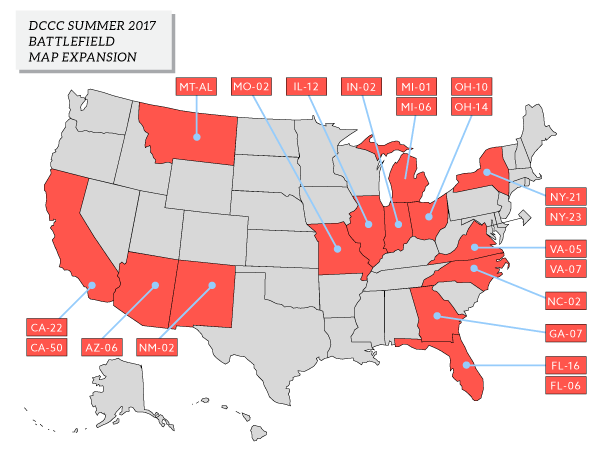 Buono, we’re launching our Expand the Battlefield Campaign to get to work in this expanded battlefield right away. This program will train more volunteers, register more voters, and knock on more doors than EVER before. We need your help to fund this critical program. It’ll take $25O,OOO before our critical End of Month Deadline Monday to jumpstart it. Will you chip in $1 before midnight Monday to help us hit the ground running?
|
|
LET’S GO!
DCCC |
Researchers boost cancer screening rates visiting NYC barbershops
Researchers boost cancer screening rates visiting NYC barbershops
Hospitals have found success engaging patients within such community institutions as libraries and farmers markets, and now a team of outreach specialists have taken it a hair further by hanging out at barbershops.
A new study published in the American Journal of Public Health examined the effectiveness of performing patient navigation services in local barber shops, and found there to be an increase in the cancer screening rate studied.
Community health workers visited more than 100 barbershops in New York City between 2009 and 2013 to provide patient navigation to more than 700 black men. The idea was to get to know members of the community well enough that they believed the researchers who were urging them to get screened for colorectal cancer. Dr. Joseph Ravenell.
CMS approves Maryland waiver to encourage care coordination
CMS approves Maryland waiver to encourage care coordination
Maryland hospitals have a new federal reprieve from kickback laws to team up with doctors and better coordinate patient care. Under a new CMS waiver approval, Maryland hospitals and doctors can enter care-coordination partnerships and share savings stemming from more efficient treatment, according to Nicole Dempsey Stallings, vice president of policy at the Maryland Hospital Association.
Such partnerships could trigger federal anti-kickback laws, but the approved plan waives participants’ liability starting July 1. Sixteen hospitals will participate in the Care Redesign Program, and more will be able to join next year. “This model is recognition that initiatives affecting quality and cost need to include more than just hospital care,” said Brian White, executive vice president.
Stand with Senate Heroes to win in 2018
 Connie —
As you no doubt know by now, the Senate vote to repeal significant parts of the Affordable Care Act failed early this morning, 49 to 51.
This outcome is a HUGE testament to the power of the resistance — including the tens of thousands of Democracy for America members who signed petitions, made phone calls and attended town halls to help kill this bill.
But this fight has also revealed a deep sickness in the Senate right now. In their rush to steal health care from millions of Americans, Republicans made a mockery of our democratic process over and over again. And if we allow them to continue to hold the majority, the attacks on our health care will only escalate.
Five of the Senators Democracy for America has endorsed for re-election in 2018 — Mazie Hirono, Tammy Baldwin, Sherrod Brown, Elizabeth Warren and Bernie Sanders — have demonstrated incredible leadership during the battle to protect our health care. Not only have they been fighting back hard every step of the way, they’ve also been showing Democrats what a winning message for 2018 could look like.
All five of these Senators will be in Trump’s sights when they run for re-election in 2018. Tammy Baldwin and Sherrod Brown represent Wisconsin and Ohio, two states Trump won in 2016 — and Elizabeth Warren is an indispensable national leader who Trump and Bannon will go all out to defeat in 2018.
These five Senate progressive champions were fearless when it comes to taking on Trumpcare:
- Bernie Sanders pulled no punches when it came to Trumpcare — he called it the “cruelest, most destructive and irresponsible piece of legislation ever brought to the United States Senate in the modern history of this country.” He has been a leader in the fight for Medicare for All for decades — and he is pushing Democrats to embrace it in 2018.
- Elizabeth Warren has always been an unbridled fighter for the American people, and that’s never been as apparent as it has been in this health care fight. When the GOP first released their legislation, she called it “blood money”: A tax cut that would be paid for with peoples’ lives.
- Mazie Hirono, who was recently diagnosed with cancer herself, delivered a deeply personal, moving plea on the Senate floor shortly before Thursday’s vote: “Where is your compassion? Where is the care that you showed me when I was diagnosed with my illness? I find it hard to believe that we can sit here and vote on a bill that is going to hurt millions and millions of people in our country. We are better than that.”
- Sherrod Brown of Ohio understands progressive populism in his bones, and he brought that fighting spirit to the Trumpcare battle, calling out the corporate influence over the legislation: “Every version of this was written in [McConnell’s] office by the drug company, insurance company lobbyists, Wall Street lobbyists. It has huge tax breaks for the insurance and drug companies.”
- Tammy Baldwin has been fighting for the people of Wisconsin on a whole range of issues, but for her, this health care fight was personal. After Trumpcare was unveiled in June, she shared her personal experience of growing up with a pre-existing condition with CNN: “My grandparents, who raised me, couldn’t find insurance at any price for a large part of my youth and I know my story is replicated by thousands upon thousands of Wisconsinites, millions upon millions of Americans.”
The spectacle that played out in the Senate this week was a tragedy for our democracy. But these five bold progressives showed us that they have the recipe for turning things around — for defeating Republicans while putting forward a positive vision of what we can accomplish together.
Thank you for supporting these progressive champions.
– Eden
Eden James, Political Director
Democracy for America

Managing Travelers’ Diarrhea While Traveling Abroad
Managing Travelers’ Diarrhea While Traveling Abroad
 What do you do if you find yourself with a rumbling tummy while traveling overseas? Follow these tips to prevent or treat travelers’ diarrhea and still enjoy your international trip.
What is it?
Travelers’ diarrhea is caused by a variety of pathogens but most commonly bacteria found in food and water, often related to poor hygiene practices in local restaurants. An estimated 30% to 70% of travelers experience travelers’ diarrhea, depending on where they go and what time of year. Countries are generally divided into 3 risk groups: high, intermediate, and low.
- Destinations with high risk: Asia, the Middle East, Africa, Mexico, and Central and South America.
- Destinations with intermediate risk: Eastern Europe, South Africa, and some Caribbean islands.
- Destinations with low risk: the United States, Canada, Australia, New Zealand, Japan, and Northern and Western Europe.
Prevention
You can reduce your risk of travelers’ diarrhea by staying away from the bacteria that cause it. Adults may also take an antacid medicine (e.g., Pepto-Bismol*, the equivalent of two 262-mg tabs 4 times a day), which can decrease the incidence of travelers’ diarrhea up to 50%. However, Pepto-Bismol is not recommended for pregnant women or children aged 3 years or younger.
Keep your hands clean.
Wash your hands often with soap and water or use an alcohol-based hand sanitizer after using the bathroom and before eating. Good hand hygiene prevents the spread of germs.
Eat and drink safely.
Stick to safe food and water habits. Some tips include:
- Eat food that is cooked and served hot, fruits and vegetables you have washed in clean water or peeled yourself, and pasteurized dairy products.
- Don’t eat food served at room temperature, food from street vendors, or raw or undercooked (rare) meat or fish.
- Drink bottled water that is sealed, ice made with bottled or disinfected water, and bottled or canned carbonated drinks.
- Don’t drink tap or well water or drinks with ice made with tap or well water or unpasteurized milk.
 Drink lots of fluids.
 Over-the-counter medicines can help ease symptoms.
Treatment
If you find yourself suffering from travelers’ diarrhea, here are some things you can do to manage it.
Mild diarrhea can be tolerated, is not distressing, and does not prevent you from participating in planned activities. To treat mild diarrhea:
- Drink lots of fluids to prevent dehydration.
- Take over-the-counter medications such as loperamide (e.g., Imodium) to manage symptoms. These medicines can help decrease the number of times you need to go to the bathroom, making it easier to ride on an airplane or bus. Always consult a health-care provider before giving over-the-counter medications to infants or children. Pregnant women and children aged 3 years or younger should avoid medicines containing bismuth, such as Pepto-Bismol or Kaopectate.
Moderate diarrhea is distressing and can interfere with your planned activities. To treat moderate diarrhea:
- Drink lots of fluids to prevent dehydration. Oral rehydration salt is widely available in stores and pharmacies in most countries. Mix as directed in clean water.
- Take over-the-counter medications such as loperamide (Imodium) to manage symptoms. Pregnant women and children aged 3 years or younger should avoid medicines containing bismuth, such as Pepto-Bismol or Kaopectate.
- Consider taking an antibiotic if your doctor has prescribed you one.
Severe diarrhea is debilitating and completely prevents you from participating in planned activities. To treat severe diarrhea:
- Take antibiotics if prescribed by your doctor.
- You can also take over-the-counter medicines to manage symptoms.
- Stay hydrated by drinking lots of fluids, such as oral rehydration solution.
- Seek health care if you are unable to tolerate fluids or if you develop signs of dehydration. It is especially important to look out for signs of dehydration in infants and young children.
Travelers’ diarrhea can make international travel unpleasant. Following the treatment advice can help resolve symptoms within just a few days, so you can get back to enjoying your trip.
*Use of trade names is for identification only and does not imply endorsement by the Centers for Disease Control and Prevention.
Historic moment in the U.S. Senate , Senator Chris Murphy
Last night was an historic moment in the U.S. Senate. One that wouldn’t have been possible without so many of your calls, emails, protests and dogged determination. Like I do sometimes, I sat down last night at 2:30 am to write down what really happened, and take you behind the scenes of the health care debate. It’s a long one (these usually are) but I hope you’ll take some time to read it today and know that none of this would have been possible without you.
All my best,
Chris Murphy
Some days, over the last few months, I wished I wasn’t so emotionally invested in this fight. My moods see-sawed, the knots in my stomach came and went, my nerves frayed. Health care, whether I like it or not, is at the foundation of my public service. I arrived in Hartford, as a 25-year-old naïve state legislator who believed in universal health care. I rose to become the 29-year-old Chairman of the legislature’s Health Committee. I served on the committee in the U.S. House that wrote the Affordable Care Act. I defended it back home in endless town halls. I got elected to the Senate, and when no one wanted to stand up for the ACA in its early days, I took up the cause, going to the Senate floor nearly every week to extol its virtues.
It’s my passion because I have seen what the lack of health care means to people in my state, in my town, and in my neighborhood. I see the pain in a mother’s eyes when she can’t afford glasses for her daughter who can’t see. I listen to the anguish of families that go bankrupt because their insurance won’t cover their son’s cancer. I listen to doctors who are feeling overwhelmed by a system that rewards the volume, not the quality, of medicine practiced.
I’ve lived every high and every low of this debate, because it matters so much to the people I serve, and because it’s been the focus of so much of my career. And so yesterday – it should come as no surprise – was one of the most emotionally taxing days in my twenty years in public service. And I want to tell you about it.
Getting Ready for a Long Battle
I arrive in the office and have a few minutes to check in with my health care team before my first meeting. Today is clearly going to be big – the Republicans are intent on bringing their mystery “skinny” health care repeal amendment to the floor for a vote. Their plan is to pass a scaled-down version of their repeal bill to use as a vehicle to get to a conference committee where they can write the actual bill with the House of Representatives. That way, if the whole repeal enterprise fails, they can share the blame with the House.
My team is busy drafting amendments that we can offer to the bill. I have been one of the chief agitators in our caucus for a very robust amendment process on the floor once the Republicans offer their plan. I feel like we need to go down fighting, and that by offering hundreds of amendments, we might actually improve the bill if one or two passes, or at the very least, make clear the differences between the two parties on critical health care questions people care about.
Some other Democratic Senators disagree with this strategy – especially because it could entail the Senate staying in session and voting for hours upon hours – and their staff are beginning to call my staff to pressure us to back off. I quickly gather my senior staff in my office and tell them, “It’s going to be a long day.”
Pessimism
The Democratic Leader, Chuck Schumer, is an unapologetic optimist by nature. But he doesn’t sound confident as he kicks off our lunch meeting. He makes some cryptic comments about his conversations with John McCain, but he says that we need to assume that the Republicans will line up the votes on their “skinny” bill. I eat lunch next to Senator Cory Booker, my close friend and main co-conspirator on the lengthy amendment strategy. He doesn’t look well. “I’m sick as a dog, man. I just got back from the doctor,” he says to me. “Cory, I need you today. We need you.” “I know,” he says. “I’m napping every chance I get so I can be there for the long haul tonight.”
Near the end of the meeting, Bernie Sanders stands up and endorses the robust amendment idea. Schumer catches my eye and gives me a wink, acknowledging that Bernie will be a powerful ally if a fight breaks out within our caucus over late-night strategy. As the meeting winds down, I rush off to a quiet office in the Capitol to tape a segment for the popular “Pod Save America” podcast – I provide a short update on what will likely play out on the floor during the evening.
The Drama Begins
In the early evening, we come to the floor for a series of votes, and we begin to hear the details of what will be in the “skinny” repeal bill. It’s a disaster. A full repeal of the individual mandate, resulting in 16 million losing coverage because of resulting rate spikes, and a full defunding of Planned Parenthood. At 5:30 pm, three Republicans, including John McCain, hold a hastily arranged press conference to announce that they will not vote for the skinny bill unless they get assurances from the House that the bill will not become law. They want a guarantee that there will actually be a conference committee. I type out a tweet, “Seriously, this is weapons grade bonkers. 3 Senators just announced they will vote for repeal only if assured it will never become law.” By the end of the day, that tweet will have been viewed 1 million times.
Now that the outline of the skinny bill is known, Schumer calls us in for an emergency caucus meeting. He wants to decide what our strategy is if their bill succeeds. Jeff Merkley, Bernie Sanders and I make the case for the long amendment process. I explain that we cannot expect the American people to fight against this reckless law if we don’t fight inside the Senate. My colleagues have heard me give this speech a half dozen times. I’m worried I sound like a broken record. But I believe what I’m saying, and it seems like our side is winning most of the room.
Suddenly, one of Schumer’s aides rushes up to him to show him something on his iPhone. Schumer then reads to us Speaker Ryan’s statement in which he gives only a half-assurance that the House will move to a conference committee if the Senate passes the skinny bill. Senator Brian Schatz of Hawaii, another of my closest friends in the Senate, jumps up and declares that a bunch of us need to go to the Senate floor immediately and make it clear that Ryan is not going to grant a conference – that the House is likely to simply pass the Senate bill. A group of us leave the meeting and rush to the floor. I give a speech about the bill and how it essentially amounts to health care arson, lighting our entire system on fire. I also talk about the process and how far we’ve strayed from how the Senate, supposedly the “world’s greatest deliberative body,” should operate. I end by saying that this isn’t why we all came here. No one gets elected to the Senate to vote for a bill they hope won’t become law because it’s such a humanitarian catastrophe. But that’s exactly what seems to be happening right now.
The Home Stretch
At around 10:00 pm, McConnell finally formally introduces the skinny bill, and schedules the vote on it in two hours. Senator Patty Murray, who is managing the floor debate for Democrats, comes over to me and asks if I will kick off the Democrats’ argument against the bill. It’s a real nice honor, and I wonder if I got the nod because Patty, a strong ally of mine in the Senate, remembers all those days in 2013 and 2014 when I was the lonely senator on the floor defending the Affordable Care Act. As I rise to speak, I look around and realize that most all of my colleagues are present and in their seats. It’s actually rare to speak to a Senate chamber full of senators, and it gives me instant butterflies. I just decide to go for it – pull no punches. I call the process “an embarrassment”. I call the bill “health care system arson”. I leave it all on the floor, and I feel good about it.
Social media is such a key organizing and communication tool, and I’ve made a major commitment to use it as a way to make the legislative process as transparent as possible. As soon as my speech is done, I run across the street to hold a Facebook Live session with my followers. Thousands of people instantly tune in – by the end of the night, 40,000 people have seen part of the livestream. I give an update on the debate, answer a few questions, and then head back to the Capitol.
On my way, I stop at the rally that is ongoing outside the Senate. It’s now 11:00 pm, and the crowd is still over a hundred. I tell them that our chances don’t seem great tonight, but they need to keep up the fight.
The Final Vote
I meet again with my staff to go over amendments. All the Senators who attended the 5:30 pm press conference are now leaning yes on the bill, except for McCain, who hasn’t said much lately. But we all expect that McCain will be strong-armed like the rest, and so we need to have our amendments ready. Senator Merkley and I huddle to talk about strategy. We’re ready for the long haul.
At 11:55 pm, I rush over to the Russell Senate Office Building for a quick appearance on MSNBC. I only make it in time for about 30 seconds of air time with Brian Williams before his show ends. My shortest cable appearance of my Senate career. I get in the elevator to head down to the basement to walk back through the underground tunnel to the Capitol. My elevator reaches the basement at the same time as the other elevator in the bank.
Off that elevator steps my friend Senator John McCain. It’s exactly midnight.
“Murph!” he yells, and swats me on the back. Someday, I’ll get to tell my grandkids what he said next. We didn’t talk long – he shot off like an arrow with his coterie of staff. But I will remember the moment for the rest of my life, a reminder of why there is no one else in politics, and there will never ever again be anyone in politics, like John McCain. The original Maverick. A man with a sense of dignity and purpose that is all too rare nowadays in public life.
I walk onto the Senate floor just behind John. He goes over to Senator Schumer and they talk briefly. John then finds the Assistant Republican leader John Cornyn, and they have a short, tense conversation. McCain then goes to his seat. And sits.
I text my wife. “Turn on C-SPAN. Something is about to happen you need to see.”
McCain sits alone for a while, and then the visits begin. First, it’s his Arizona colleague Jeff Flake. Then Vice President Pence enters the chamber and approaches McCain. I stand on the other side of the floor with Patty Murray, just watching. All the while, as various figures come to try to persuade McCain, he is flanked by his best friend, Lindsay Graham, and Alaska Senator Lisa Murkowski, one of the two firm “no” votes on the bill (for all the focus on McCain’s heroic vote, it is Lisa Murkowski and Susan Collins, who were iconoclastic “no” votes all along, who will go down as the original heroes).
Time seems to stand still. And finally, the vote is called. The clerk slowly runs through the roll. Collins and Murkowski vote no. When McCain’s name is called, he isn’t in the chamber. The suspense builds. Then he enters the chamber again, walks to the clerk’s desk, puts up his hand to be recognized, and gives the thumbs down sign. A loud, audible gasp erupts from the floor and the gallery. Schumer, from his seat up front, shushes everyone urgently.
The last few votes trickle in, and the presiding officer, Senator David Perdue from Georgia, announces the vote. 49 Yes. 51 No. The amendment fails. McConnell promptly rises and pulls the bill from consideration.
It’s over.
McConnell gives a speech. Schumer gives a speech (which is excellent – watch it if you can). And we adjourn. Perdue comes down from the dais and walks over to me. “You ready to work together, Chris?” he asks. “You bet,” I say.
I walk back out to the rally and thank the crowd for sticking with us. Everyone is exuberant, and they should be. “Reports of democracy’s death were greatly exaggerated, huh?” I tell them, borrowing a line from my favorite Connecticut satirist Mark Twain.
I walk back to the office with David Bonine, my legislative director, and Joe Dunn, my longtime health staffer. It’s 2:00 am.
There are so many days when you wonder whether a career in public service is worth it. All the frustration, the personal attacks, the gridlock – it often makes you wonder whether there’s a better way to spend your life.
And then a day comes like today. A day when out of darkness, something truly amazing happens. It’s days like that, all too few and far between, that keep you coming back, to try and try and try again.
P.S. Last night’s victory was emotional, but we have a long fight ahead. I am up for re-election now and I know the White House would like a shot at this seat. But with your support, I’ll be ready for anything they throw our way. Chip in $3 to my re-election today: https://chrismurphy.com/reelection
Volunteer as caregiver for health benefits and tuition assistance
Representatives Lujan Grisham and Ros-Lehtinen Introduce Care Corps Demonstration Program
On Thursday, July 27, U.S. Representatives Michelle Lujan Grisham (D-NM) and Ileana Ros-Lehtinen (R-FL) introduced legislation to create a Care Corps demonstration program that is designed to provide support for family caregivers and help meet the growing demand for the care of aging and disabled Americans.
The Care Corps Demonstration Act will place volunteers in communities to work with seniors and individuals with disabilities who need extra support to live independently. In exchange, volunteers will receive health insurance and other benefits, such as tuition assistance.
Over 43 million family caregivers provide much of our nation’s long-term services and supports, permitting individuals of all ages to remain in their communities and avoid or delay more costly nursing home or foster care placements. Several factors including financial constraints, work and family demands, and the challenges of providing care place great pressure on family caregivers. The National Alliance for Caregiving and AARP study Caregiving in the U.S. found that most caregivers have been in their role for at least 4 years; higher hour caregivers are twice as likely to have been in their caregiving role for 10 or more years. On average, caregivers spend 24.4 hours a week providing care to a loved one; this number jumps to 44.6 hours per week for those caring for a partner/spouse. Only about half of caregivers say another unpaid caregiver helps their care recipient.
In 2010, there were seven potential caregivers for every person over the age of 80. By 2030, that ratio is projected to drop by almost half, to 4:1. In the paid workforce the U.S. will need to add at least 1 million more direct care workers over the next ten years. Better support for family caregivers is critical because often it is their availability–whether they are family members or unrelated friends and neighbors who dedicate their time–that determine whether an older person can remain in his or her home. The economic cost of replacing unpaid caregiving of elderly adults is estimated to be $470 billion.
Highlights of the Care Corps Act:
- Authorizes grants for the creation of local Care Corps programs at $10 million per year over five years.
- Public or private non-profit groups would apply for Care Corps grants and administer the program locally, training and assigning members to communities in need.
- Volunteers would be trained to support the achievement and maintenance of the highest level of independent living; however, they would not provide professional medical services, administrative support services, or institutional care.
- Corps members would receive living allowances and benefits, including health insurance coverage, during their volunteer period, and would be eligible for tuition assistance or loan repayment after they complete their assignment.
- Volunteers would be assigned to work in areas that have a shortage of services or a high concentration of low-income or minority individuals.
The Alliance is proud to endorse this legislation and encourage other advocates to spread the word. Find the official press release here.
Do you have additional resources regarding the Care Corps Demonstration Act? Send to jessica@caregiving.org.