408-854-1883 starts at $30 per hr home care

Affordable in home care | starts at $28 per hr

Understanding Glaucoma: Epidemiology and Pathophysiology

Understanding Glaucoma: Epidemiology and Pathophysiology

Glaucoma comprises a group of diseases characterized by progressive optic nerve injury that results in visual field loss and potentially permanent blindness. Initially the damage to neural cells may go undetected as the disease is typically asymptomatic, but, left untreated, it can cause severe vision loss. The damage to the optic nerve is irreversible: so far, regenerative attempts have been unsuccessful, so early diagnosis is essential.

More than 64 million people globally are believed to have glaucoma,1 and it is expected that more than 111 million will have it by 2040, due to population aging. In the United States approximately 2.9 million individuals have glaucoma. 2Throughout the world, approximately 8.4 million cases of irreversible bilateral blindness are attributed to glaucoma,3and it accounts for an estimated 9% to 12% of all blindness in the United States.4

The traditional paradigm of glaucomatous damage is that biomechanical damage, namely from elevated intraocular pressure (IOP), occurs to the optic nerve head.5 Pressure on the optic nerve head appears to be the mechanism through which pressure in the front of the eye causes damage to the nerve itself.5However, several studies have provided evidence of mechanisms other than IOP that may contribute to nerve damage in glaucoma.68According to Dr. Grace Richter, Assistant Professor of Ophthalmology in the Glaucoma Division at the USC Roski Eye Institute, “Reduction or fluctuations in ocular blood flow, increased susceptibility to nerve damage from inflammatory diseases, and having an abnormally low intracranial pressure have all been implicated in contributing to glaucomatous damage.”

Types of glaucoma

Elevated IOP is the most common precipitating factor in glaucoma.8 In the normal eye, a balance exists between the amount of aqueous humor produced within the eye, and the amount that drains out of the eye; an increase in fluid build-up caused by a failure to drain properly can increase IOP. According to Dr. Richter, “The range of IOP for people without glaucoma is 10-21 mm Hg, but in fact, over 50% of patients with open angle glaucoma (OAG) actually have baseline IOPs in the ‘normal’ range.”

Primary OAG accounts for the majority of cases.9 The drainage area (“drainage angle”) in eyes with OAG appears anatomically normal, despite elevated IOP, but it may not drain fluid efficiently.4 This is opposed to chronic angle closure glaucoma (ACG) where the drainage angle is visibly abnormal. OAG and chronic ACG are both painless, but have different treatment patterns, so seeing a specialist is paramount. In contrast to chronic ACG, acute ACG occurs in eyes in which the drainage canals are blocked by the iris and is considered a medical emergency.4 A sudden, acute blockage may be accompanied by severe pain, blurred vision, excessive tearing, halos around lights, and/or headache, nausea, and vomiting.4 Acute ACG may have no warning symptoms and requires immediate treatment, as blindness can occur over hours.4 ACG is responsible for half of all glaucoma-related blindness.10

Exfoliation glaucoma is a systemic condition in which grayish-white exfoliation material accumulates in ocular tissues.11 It is associated with elevated IOP and is the most common identifiable cause of OAG.

Regardless of precipitating factor, IOP reduction is still the only proven treatment to slow glaucomatous damage for all types of glaucoma.8

Risk factors

Numerous risk factors for glaucoma exist, including age >60 years, hypertension, diabetes, hypothyroidism, and African or Hispanic heritage. Among African Americans, blindness from glaucoma is 4 to 5 times more common than among Caucasians.12 Type 2 diabetes is associated with an 82% higher risk of primary OAG.9 Individuals with trauma to the eye, severe myopia, inflammation, or previous eye surgeries may be at greater risk for glaucoma. Some types of tumor or a detached retina are known to increase risk. Some genetic variants may be associated with elevated IOP; thus family history is an important risk factor.9

ACG is more common in women, older individuals, persons of Asian descent, and those with a family history of this condition.4,10 Small eyes and far-sightedness are also risk factors for ACG. 4,10

The etiology of normal-pressure glaucoma may be multifactorial, but persons with a family history, vascular dysfunction, and/or Japanese ancestry appear to be at greater risk for this condition.13

Although glaucoma mainly occurs with aging, younger adults can also get the disease. Moreover, both juvenile and congenital glaucoma exist: according to the American Glaucoma Foundation, approximately 1 of every 10,000 babies born in the United States has glaucoma at birth.4

In short, while some individuals may be at higher risk for glaucoma, no one is exempt from risk. This is why regular eye examinations are critical. Techniques for diagnosing glaucoma and available treatments, if it is detected, will be discussed in a subsequent article.

Top posts 7-19-2017

Eggplant and apple cider vinegar for skin cancer
Home page / Archives
DMSO, hydrogen peroxide and Vit C fight cancer cells
Philippines Coconut Wine -Tuba
Brain
Obsessive -compulsive disorder controlled by mGluR5 brain receptor
Teeth marks on the side of the tongue and liver inflammation
Anti-aging and Parkinson/Alzheimer’s prevention: Enzymes and apple cider vinegar
PI3Kγ activity in leukocytes promotes adipose tissue inflammation and early-onset insulin resistance during obesity
House Republicans’ budget could eliminate clean drinking water for 117 MILLION Americans
Artificial Sweeteners May Cause Weight Gain
Can balsamic vinegar help with gout?
Dr Mercola Health News
Could Donald Trump Jr., Jared Kushner, or Paul Manafort be charged under the Espionage Act?
Teeth marks on the side of the tongue and liver inflammation
Dogs and humans need a hug each day
Who are leaving the bay area for cost reasons?
Influential people in Health Care
Can Gout be cured permanently?
Anderson Cooper & Bernie Sanders on Obamacare
Increase the body’s oxygen carrying capacity with exercise, EPO and whole foods
Challenges, Opportunities of Mobile Health Devices in the Hospital
Top physician executives in health care
Fatigue and Red (bloodshot) eyes from WebMD
The loss of SETD8 triggers cellular senescence
Adverse effects of smoking to liver cells, death from liver to bladder cancer
Philippines Coconut Wine -Tuba
Lung cancer in the Philippines
Event: Beach Mingle to effect local action against Trump
Fruits and leaves of Figs as anti-cancer
Slimy veggies, saluyot and okra fight cancer
Excessive sweating and Parkinsons
Baking soda for mosquito bites
Association of Coffee Consumption With Total and Cause-Specific Mortality Among Nonwhite Populations
Serotonin Improves Sociability in Autism: Mouse Study
PI3Kγ activity in leukocytes promotes adipose tissue inflammation and early-onset insulin resistance during obesity
Boron fights radiation by Dr Mercola
Artificial Sweeteners May Cause Weight Gain
Non pasteurized beers have more health benefits
Trump Memo Surfaces Confirming The Worst – Hillary Was RIGHT
Bone disease in men and women
Batangas beach resort Philippines visit this December with my children
Today’s bay area events
Get faster response when looking for a live-in caregiver for seniors in the bay area
Gastroparesis, Betain HCL, diabetes and stomach health
Massage oil of fresh ginger and coconut oil relieves joint pain
Anabolic and catabolic process, hormones and exercise
The so called President blaming others is psychological projection
Why we love and have sex? Vasopressin and Oxytocin hormones
Association of Coffee Consumption With Total and Cause-Specific Mortality Among Nonwhite Populations
To downsize or not and in need of home care in bay area
Not patentable anti-cancer plant-fruit , soursop or Guyabano fruit, Vitamins C and B-rich
Massage oil of fresh ginger and coconut oil relieves joint pain
Paul Ryan and Mitch McConnell implicated in Russia-Trump
Mike Pence BUSTED Spreading NASTY Fake News
Medicinal plants and uses
Seven Quality of Life Nursing Home Transition Grants from the Paralysis Resource Center Announced
Report: Russian Mob Money Helped Build Donald Trump Business Empire
Nutrition for head injuries and infection – temporal lobe addicts
More Evidence That Natural Plant Compound May Reduce Aging’s Cognitive Effects
Women’s march from #NRA2DOJ July 14-15 Fairfax VA to Washinton DC
Should Donald Trump be IMPEACHED? Jared Kushner must resign
Jackfruit and cancer
Caring for your thyroid gland
Analysis | Vice President Pence’s bushel of false and misleading claims about health care
Tell Senate Democrats: Block Republican attacks on immigrants
ALOE FEROX plant extract (a laxative agent in South Africa) increased intestinal secretion and motility in constipated rats
Baking soda for mosquito bites
Cancer statistics
Apoptosis (cell death) induction in cancer cells exposed to dietary phytochemicals
Caring for your thyroid gland
NfKB protein as first responder to harmful toxins – infection – cancer
Calories burned per exercise type
Brief Interactions Spur Lasting Waves of Gene Activity in the Brain
His scathing critique of President Trump at the G-20 went viral
Roman Coriander, Fennel flower or Black Cumin Seed Oil as an anti-tumor, anti-gastritis and anti-convulsant oil
Two novel ways of TBE virus transmission discovered, raw milk
Reduce the stress hormone cortisol
Bacterial Clues in Baby’s Dirty Diapers Helps Predict Cognitive Development
$50k Humira drug costs per year in the USA
NfKB protein as first responder to harmful toxins – infection – cancer
Tag team in home care with family members and pay out of pocket for senior care expense
Google ad for caregivers for senior care in the bay area
Ethics in the White House
Nullify US election, Mike Pence is complicit in Russia scandal
12 Life Lessons along the Path to Enlightenment by David R. Hawkins, M.D. Ph.D.
Crain’s San Francisco News 7-18-2017
Is there a way to tell if I have a ALDH2 enzyme deficiency without drinking alcohol?
Eat protein-rich food when drinking alcohol to protect your stomach
Adverse effects of smoking to liver cells, death from liver to bladder cancer
Google ad for caregivers for senior care in the bay area
Washington Post 7-19-2017
Anti-inflammatory diet relieves pain
Hiatal Hernia, Pancreatitis, Pancreatic Cancer and the Western Diet
A Window to the Gut’s Brain
Inviting all bay area doctors and health care pros in telemedicine mobile app and web with Motherhealth
Surviving prostate cancer by Dr Mercola
When will Souvenaid become available in Canada and US to treat Alzheimer’s Disease?
Stop aging of your face with DIY Vitamin C serum by wellnessmama
Doctors can soon do telemedicine with Motherhealth with profit sharing
Tag team in home care with family members and pay out of pocket for senior care expense
Gout, Dementia, Chelation Therapy
Which are the most promising health wearable startup?
Gonorrhea home remedies
Growth hormone DHEA increases libido/anti-aging
Highlights from Foreign Policy
How does natural sugar in dairy products impact CVD risk and insulin sensitivity?
What does the phrase “vindictive personality” mean?
Tag team in home care with family members and pay out of pocket for senior care expense
Natural communication breakdown in aging
Telehealth and guidelines from HRSA
Make Melania Trump stay in the White House or pay for the expenses herself
Latest MedicineNet News
Influence of conching temperature; Maltitol sugar alcohol in prebiotic milk chocolate containing inulin
Why we love and have sex? Vasopressin and Oxytocin hormones
Avoid chronic bronchitis with green apple, onions, garlic, vinegar and rest
Washington Post 7-13-2017
Paul Ryan and Mitch McConnell implicated in Russia-Trump
Top posts 7-18-2017
Colors in iris of eyes
YouTube Ads Leaderboard: June 2017
Reducing belly fat
What is Precision, predictive and Personalize Medicine vs patient-centered care
What can harm your thyroid?
Event: Beach Mingle to effect local action against Trump

Highlights from Foreign Policy

The Seven Circles of Donald Trump’s Russia Inferno
We now know that the president wasn’t ignorant of his campaign’s contacts with Moscow’s intelligence agents. But, on a scale, how complicit was he?
Tillerson to Shutter State Department War Crimes Office
REPORT
Tillerson to Shutter State Department War Crimes Office
Critics charge top U.S. diplomat with giving the green light to perpetrators of mass atrocities.
The Global Consequences of Trump’s Incompetence
VOICE
The Global Consequences of Trump’s Incompetence
From China to the Gulf to Europe, the world’s power players are moving ahead without America.
Is It Racist to Say Africa Has ‘Civilizational’ Problems?
ARGUMENT
Is It Racist to Say Africa Has ‘Civilizational’ Problems?
The French president got in hot water for noting the continent’s dysfunction. But nothing he said was false.
Could Trump Jr., Kushner, or Manafort Be Charged Under the Espionage Act?
ARGUMENT
Could Trump Jr., Kushner, or Manafort Be Charged Under the Espionage Act?
If the meeting at Trump Tower feels to you like treason, that’s probably because it may actually be espionage.
Voices VOICES
What Did Trump Know About His Son’s Meeting, and When Did He Know It?
MAX BOOT
Is Treason Still Punishable in America Today?
JAMES TRAUB
Making Peace With Assad’s State of Barbarism
KIM GHATTAS
Turkey’s Post-Coup Purge and Erdogan’s Private Army
LEELA JACINTO
Congress Will Rubber-Stamp Whatever War Powers Donald Trump Wants
MICAH ZENKO
On a Mission to Mars, Imprisoned in Turkey
LAUREN BOHN

Washington Post 7-19-2017

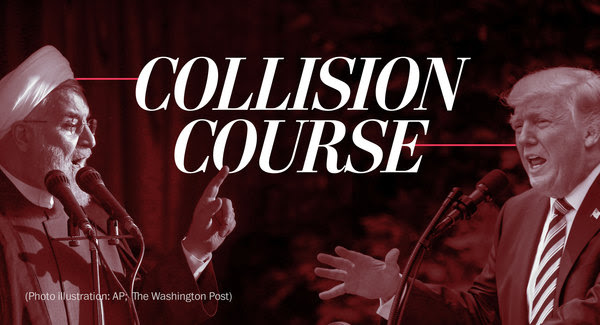
The U.S. and Iran are heading toward crisis

Monday was a tough day for President Trump’s agenda. As the Senate’s bid to overturn Obamacare collapsed amid Republican infighting (more on that later in the newsletter), the White House reluctantly certified Iran’s compliance with the nuclear deal signed by the Obama administration in 2015. This was the second time the Trump administration has done so — it is required every 90 days to notify Congress whether Iran is living up to its commitments.

Trump assented to the move with profound reservations and pushed for more sanctions on Iran. “Senior administration officials made clear that the certification was grudging,” my colleague Karen DeYoung wrote, “and said that President Trump intends to impose new sanctions on Iran for ongoing ‘malign activities’ in non-nuclear areas such as ballistic missile development and support for terrorism.”

Trump reportedly fumed at having to assent to another certification of Iran’s compliance, which was confirmed by international monitors and the other signatories to the agreement. Key U.S. allies, including Britain, France and Germany, see the deal as an effective curb on Tehran’s putative nuclear ambitions. They don’t link its implementation to concerns about Iran’s other troublesome behaviors, including its support for various militant groups in the Middle East and its unjust detentions of foreign nationals.

“The nuclear agreement helps significantly to prevent Iran from obtaining a nuclear weapon,” Peter Wittig, the German ambassador in Washington, wrote this year. “But we remain very realistic about Iran’s problematic role in the region.”

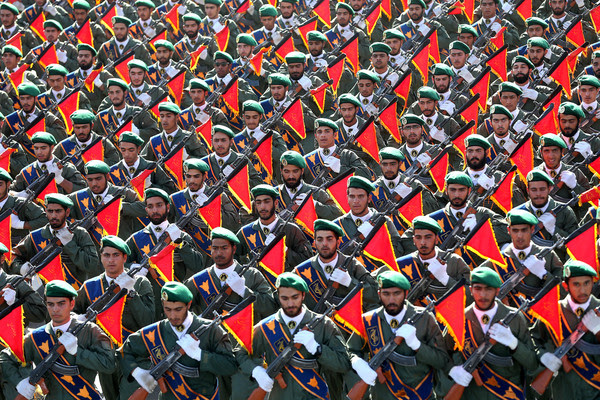
Iran's Revolutionary Guard troops march in a 2016 military parade in Tehran marking the 36th anniversary of Iraq's 1980 invasion of Iran. (Ebrahim Noroozi/Associated Press)</p>

Iran’s Revolutionary Guard troops march in a 2016 military parade in Tehran marking the 36th anniversary of Iraq’s 1980 invasion of Iran. (Ebrahim Noroozi/Associated Press)

Iran remains the president’s No. 1 geopolitical bugbear. Trump, who seems determined to smash every pillar of former president Barack Obama’s legacy, repeatedly cast the deal as a capitulation to the Islamic Republic. The only memorable event in the short-lived tenure of ousted national security adviser Michael T. Flynn was his cryptic statement “officially putting Iran on notice.” In Saudi Arabia, on his first foreign visit, Trump signed on to Riyadh’s vision for the Middle East — one that is shaped first and foremost by antipathy toward Tehran.

According to Peter Baker of the New York Times, “Trump had told his security team that he would not keep [certifying Iran’s compliance] indefinitely” and complained at an hour-long meeting last week about doing so this time. His top advisers, including national security adviser H.R. McMaster, Secretary of State Rex Tillerson and Secretary of Defense Jim Mattis — none of whom have much sympathy for the Iranians — had to convince him to abide by the accord.

While Candidate Trump blustered about scrapping the nuclear deal altogether, his administration has been compelled to shy away from such drastic unilateral action. Still, it seems Trump himself is eager for the deal to unravel.

The Trump administration has “deliberately created an environment of uncertainty by consistently questioning the validity” of the deal, said Trita Parsi, the president of the National Iranian American Council, which seeks better ties between Washington and Tehran, “hinting that the U.S. might quit the agreement, and by suggesting that it might pursue regime change in Iran.” Parsi said in an email that rather “than pursuing dialogue with Tehran to resolve remaining disputes, as every one of our European allies have done, the Trump administration has chosen to escalate tensions and eschew opportunities to come to a mutual understanding.”

At a NATO summit in May, Trump tried to convince European partners to stop making trade and business deals with Iran — a move that could in itself constitute a violation of the deal, which stipulates that its parties will “refrain from any policy” that would damage Iran’s economic dealings while it complies with the accord.

But officials from other governments that are signatories to the deal show little willingness to renegotiate its terms. Just last month, German Foreign Minister Sigmar Gabriel hailed the pact as “a great sign of hope” and a “historic window” for a rekindling of ties. Numerous European companies are plunging into the Iranian market. This month, French energy giant Total signed a landmark gas deal with Iran worth close to $5 billion.

“There is a clear division between where the Europeans are going and where the Americans are going on Iran,” Ellie Geranmayeh, a senior policy fellow at the European Council on Foreign Relations, said to my colleague Erin Cunningham. “The Europeans have embarked on a path of rapprochement. The U.S. is looking at a policy of isolationism and containment.”

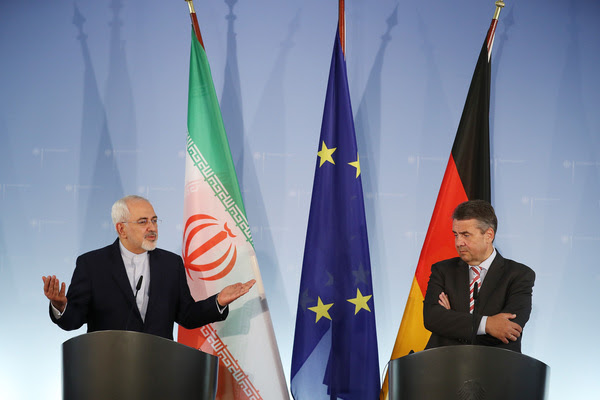
Iranian Foreign Minister Mohammad Javad Zarif and German Foreign Minister Sigmar Gabriel speak to the media on June 27 in Berlin. (Sean Gallup/Getty Images)</p>

Iranian Foreign Minister Mohammad Javad Zarif and German Foreign Minister Sigmar Gabriel speak to the media on June 27 in Berlin. (Sean Gallup/Getty Images)

That was not lost on Iranian Foreign Minister Javad Zarif, who was in New York this week. At the Council on Foreign Relations, Zarif said the White House was sending “contradictory signals.” In an interview with the National Interest, Zarif scolded Trump’s supposed “violation” of the spirit of the deal.

“If it comes to a major violation, or what in the terms of the nuclear deal is called significant nonperformance, then Iran has other options available, including withdrawing from the deal,” he said. Although the White House would love to coax an Iranian withdrawal, that is unlikely to happen. Zarif also used his platform to chide Trump over the unraveling of his anti-Iran agenda, including the crisis among the Gulf states that flared up after Trump’s visit to Saudi Arabia.

“We need to be more careful about the signaling, because we’ve seen that wrong signaling in the past few weeks in our region, particularly after the Riyadh summit, has caused a rather serious backlash in the region — not between U.S. allies and Iran, but among U.S. allies,” Zarif said, referring to the impasse over Qatar. “So I believe it would be important to keep that in consideration, to understand the complexities of the situation.”

“It is a devastating sign … that an American president is being outflanked so easily by an Iranian foreign minister,” Slate’s Fred Kaplan wrote. “It’s a sorrier sign still that the Iranian foreign minister is in the right.”

• The entire interview with Zarifconducted by the National Interest’s Jacob Heilbrunn, is worth reading. Zarif talks about how he doesn’t like the term “fake news,” suggests mediation with Saudi Arabia and reprises his regime’s usual talking points about the perils of American intervention in the Middle East. He also calls on the White House to recognize Iran’s political freedoms, such as they are, compared to their Arab neighbors across the Persian Gulf.

“The White House has to look at Iran as the only country in the region where people stand in line for ten hours to vote,” said Zarif. “It has to put aside those self-serving assumptions that some members of this administration have repeatedly stated. It has to set aside the assumption that it can create turmoil in the region and draw financial benefits from it.”

• Meanwhile, in Iran itself, the arrest of a U.S. scholar highlights an escalating power struggle between Zarif’s immediate boss, President Hassan Rouhani, and hard-liners opposed to him and the nuclear deal itself. Here’s my colleague Erin Cunninhgam again:

“But the moves by Iran’s judiciary — including the sentencing of a Princeton graduate student, Xiyue Wang, to 10 years in prison for spying — also undermine Rouhani’s attempts to build better relations with the West, which more-reactionary Iranian institutions such as the judiciary oppose. And they suggest an effort by ruling clerics to pressure the president to back down from confrontation on the domestic front, particularly ahead of the official inauguration of his second term next month, when Rouhani will pick his new cabinet.

“More broadly, however, the actions by the judiciary and Khamenei paint a picture of a hard-line establishment hitting back at an outspoken and popular president who has promised to curb some of the regime’s worst excesses.”

• In the latest sign of the “Islamization” taking place in Turkey under President Recep Tayyip Erdogan, the Turkish government announced a new school curriculum that excluded Charles Darwin’s theory of evolution. The curriculum also mandates that the once stoutly secular country’s increasing number of religious schools teach the concept of “jihad” as a form of national patriotism.

The head of a prominent science teachers’ union panned the move, telling Reuters: “The bottom line is: generations who ask questions, that’s what the government fears.”

• And, yet again, it’s time for a Trump-and-Russia story: It emerged on Tuesday that President Trump had a second, unofficial meeting with Russian President Vladimir Putin at the G-20 summit in Hamburg. My colleagues Karen DeYoung and Philip Rucker reported that the hour-long conversation took place unexpectedly over a dinner for the G-20’s leaders; the White House confirmed that the talk took place, but countered that it was merely a “brief conversation.” From my colleagues’ story:

“Halfway through the meal, Trump left his own seat to occupy a chair next to Putin. Trump was alone, and Putin was attended only by his official interpreter.

“The encounter underscores the extent to which Trump was eager throughout the summit to cultivate a friendship with Putin. During last year’s campaign, Trump spoke admiringly of Putin and at times seemed captivated by him…

“The only version of the conversation provided to White House aides was that given by Trump himself, the official said. Reporters traveling with the White House were not informed, and there was no formal readout of the chat.”

As the story points out, the conversation — and the lack of other Americans taking part in it — will not help the White House’s efforts to put its Russia problems to bed.

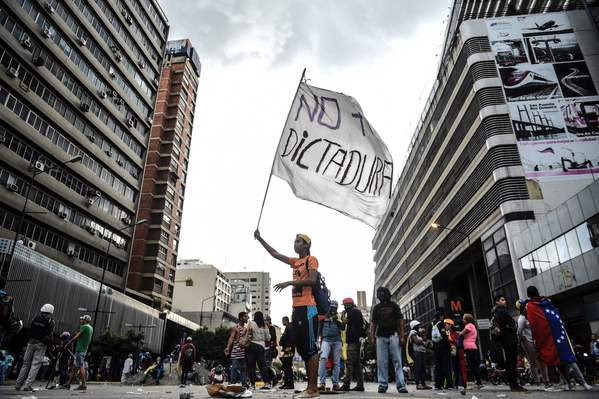
An opposition activist holds a flag reading &quot;No more dictatorship&quot; during protest against Venezuelan President Nicol&aacute;s Maduro in Caracas, Venezuela, on July 18. (Juan Barreto/Agence France-Presse via Getty Images)</p>

An opposition activist holds a flag reading “No more dictatorship” during protest against Venezuelan President Nicolás Maduro in Caracas, Venezuela, on July 18. (Juan Barreto/Agence France-Presse via Getty Images)

Collateral damage

When it comes to sanctioning Venezuela, the Trump administration has not dragged its feet.

In February, the White House slapped a sanction on the country’s vice president, allegedly because of his involvement in drug trafficking. In May, officials did the same to members of the country’s Supreme Court after it attempted to strip power from the opposition-led National Assembly.

President Trump said these policies were designed to punish the country’s increasingly autocratic leaders. Venezuela has “been unbelievably poorly run for a long period of time. And hopefully that will change,” he said at a press conference.

That change has not materialized so far. For months, thousands of activists have taken to the streets to decry President Nicolás Maduro’s efforts to dismantle the country’s democracy. More than 100 people have died, most at the hands of the army or police officials.

Now the U.S. is poised to tighten sanctions even further. It’s a response to Maduro’s latest maneuver: He’s endeavoring to replace the National Assembly with a new “Constituent Assembly,” which could rewrite the constitution — presumably in Maduro’s favor. A national referendum on the move will be held at the end of the month.

President Trump called Maduro a “bad leader” and “aspiring dictator,” warning that Maduro’s actions would bring about a “strong and swift economic” response. What that will look like, though, is still unclear.

Bloomberg has reported that the White House is considering measures that would target a couple of top officials who have committed human-rights violations. Others are pushing for a broader ban on crude oil imports from Venezuela. The country is the third-largest supplier of crude oil to the United States, and America is Venezuela’s biggest buyer.

Experts say that if the U.S. wants Maduro to step down, it needs to impose this kind of broad sanction. “Sanctions on oil exports … would be much more explosive” than targeted strikes against particular officials, said Edward Glossop, a Latin America economist with the London-based economic think tank Capital Economics, to CNN.

The big risk is that lots of innocent people will be hurt. “There is no real indication that the U.S. is willing to go as far as sanctioning the oil industry because it’s not clear who that hurts,” said Glossop. “It might hasten the end of Maduro’s regime but would also definitely make the humanitarian crisis worse in the near-term at least.” — Amanda Erickson

Senate Majority Leader Mitch McConnell (R-Ky.) speaking to&nbsp;reporters at the U.S. Capitol in Washington on June 17. (J. Scott Applewhite/Associated Press)</p>

Senate Majority Leader Mitch McConnell (R-Ky.) speaking to reporters at the U.S. Capitol in Washington on June 17. (J. Scott Applewhite/Associated Press)

The big question

The Republican plan to end Obamacare died two separate deaths in 24 hoursOn Monday, two Republican senators came out against their party’s health-care bill, ending its chances of passage in the Senate. The next morning, the same thing happened to the backup plan of simply repealing Obamacare without a replacement and crafting a new bill later. President Trump seemed untroubled. “We’ll just let Obamacare fail,” he said. “We’re not going to own it.” But plenty of observers are placing blame at his feet for not leading an effective campaign in support of the health-care overhaul. So we asked reporter Aaron Blake of The Fix, the Post‘s politics blog: Is the latest health care failure Trump’s fault?

“In large part, yes.

“Passing large-scale health legislation, which undoes what basically amounts to an entitlement program, was always going to be difficult — especially in the Senate, where Republicans only have two votes to spare.

“As we’ve seen throughout this process, there is plenty for everyone to hate in these proposals. To conservatives, they leave too much of Obamacare intact. To moderates, they cut too much from Medicaid and will likely kick too many Americans off their insurance.

“In situations like that, you need a cohesive team. You need to believe your leadership has your back — or that running afoul of your leaders will have consequences. Trump has failed on this in two ways, by 1) Not really having a core set of beliefs on what this bill should look like and making them clear, and 2) Not applying presidential pressure.

“Trump has done little to suggest he cares or even knows about what’s in these bills. In fact, he has regularly suggested he’s not enamored of them. He called the House’s bill ‘mean’ and said the Senate’s version needed ‘more heart.’ After the bill was effectively killed on Tuesday, he basically gave the members who killed it a pass. ‘They’ll have to explain to you why they did, and I’m sure they’ll have very fine reasons,’ said Trump.

“That kind of comment has to drive Senate Majority Leader Mitch McConnell (R-Ky.) nuts. The one guy who could arguably bring the pressure needed to pass this bill basically thumbed his nose at the whole thing. Once it was over, he effectively shrugged his shoulders.The message to GOP lawmakers is now clear: Trump doesn’t really care if you don’t fall in line. That doesn’t bode well for equally difficult things like tax reform.”

President Trump is also getting flack for his Iran policy from the right, as a piece in the New York Times shows, with some conservatives seeing him as too soft. A soft approach may be the ticket on the North Korean issue, though, and South Korea may have the leader to pull it off. Meanwhile, Slate looks at how the investigation into President Trump by special counsel Robert S. Mueller III could be tripped up, while The Post has a shocking warning about the U.S.’ silence on child sexual abuse among our allies in Afghanistan.

On Iran, Trump is Obama 2.0
A Princeton student was just sentenced to 10 years for “spying.” Don’t expect the president to aggressively seek his release.
By Reuel Marc Gerecht | The New York Times  •  Read more »
South Korea’s president could be just the man to solve the North Korea crisis
Just as only the conservative Richard Nixon could thaw U.S.-China relations, the supposedly dovish Moon Jae In could defuse tensions with the Kim regime.
By S. Nathan Park | The Atlantic  •  Read more »
The many ways Robert Mueller’s Trump investigation could be derailed
If a president misuses his legitimate powers for illegitimate ends, that misuse can itself be an impeachable offense.
By Frank Bowman | Slate  •  Read more »
Afghan soldiers are using boys as sex slaves, and the U.S. is looking the other way
Afghan commanders compete — and sometimes battle — one another to snatch boys.
By Anuj Chopra | The Washington Post  •  Read more »
The average American’s chance of being struck by lightning is about one in a million, according to the National Weather Service — except if you’re in Florida. The New York Times recounts the incredible stories of four strike survivors from the state with more lightning than any other. Meanwhile, Reuters shows how women from rural areas are losing access to maternity care because of an increasing number of hospital closings, while Quartz explains how the trucking industry’s move toward automation will devastate the small towns that rely on human truckers’ business.

Hit by lightning: Tales from survivors
Florida has more lightning strikes and fatalities than any other state. Four tales of survivors with disparate stories that all began with a bolt from the blue.
By Lizette Alvarez | The New York Times  •  Read more »
Lights out
Rural hospitals are closing at an alarming rate, making it difficult for many women living in rural areas to get the same quality maternity care as their urban counterparts.
By Christine Chan, Jilian Mincer and Han Huang | Reuters  •  Read more »
A look inside the small US towns that will be crushed by the trucking revolution
“If the trucks are robotic and don’t stop anymore, these [small, trucking-dependent] towns cannot exist.”
By Dave Gershgorn and Mike Murphy | Quartz  •  Read more »

As you can tell from this shot, India’s Ganges River is polluted — almost unbelievably so. Shortly after Narendra Modi became India’s prime minister in 2014, he pledged to spearhead an effort to clean up the river, but the estimated $3 billion cleanup plan has faltered. “The Ganges is getting dirty day by day but nobody cares. Not even its children,” said one Hindu priest. Reuters photographer Danish Siddiqui traveled the supposedly dying river to document the lives and rituals at risk. (Danish Siddiqui/Reuters)

You are reading Today’s WorldView, our daily email newsletter covering events and opinions from around the globe.
Not a regular subscriber?
SIGN UP NOW
Trump had undisclosed hour-long meeting with Putin at G-20 summit
The two leaders spoke informally for an additional hour after their first official meeting.
By Karen DeYoung and Philip Rucker  •  Read more »
Minneapolis police fatally shot Australian woman after hearing ‘loud sound,’ investigators say
The woman’s fiance said any details on her last moments “would be a small comfort as we grieve this tragedy.”
By Mark Berman  •  Read more »
Eighth person in Trump Tower meeting is identified
Ike Kaveladze works for a Russian real estate company that hosted the Miss Universe pageant.
By Rosalind S. Helderman and Tom Hamburger  •  Read more »

Trump Memo Surfaces Confirming The Worst – Hillary Was RIGHT

You Might Like

Teeth marks on the side of the tongue and liver inflammation

Veterinarians and medical/naturopathic doctors can tell your liver’s health by the appearance of your tongue. They noticed that those with liver inflammation have teeth marks on the side of the tongue. This can also mean that the person has mercury amalgam in his/her teeth.  Metal toxins should be removed and a detox is in order. This happened to me and now my teeth marks are gone.

Will our mouth’s bad breath also reveal health issues?

Diseases, such as some cancers, and conditions such as metabolic disorders, can cause a distinctive breath odor as a result of chemicals they produce. Chronic reflux of stomach acids (gastroesophageal reflux disease, or GERD) can be associated with bad breath.

Connie Dello Buono


What Does Our Tongue Tell Us About Our Liver?

Nicole Cutler

Find out how tongue observation can reveal more about the liver’s health than most people realize.

A primary care physician will likely ask his or her patients to open up and say “ahhh” in an effort to get a glimpse of the tongue. Besides looking at the throat, tonsils and general mouth condition, western-trained doctors know that the tongue can reveal several health clues. However, practitioners of Chinese Medicine take tongue observation to an entirely different level. By analyzing the tongue’s shape, body color, coating and moisture level, a practitioner of Chinese Medicine can accurately determine a person’s predominant health disharmony. When it comes to assessing a person’s liver health, there are various tongue indications a Chinese Medical practitioner will look for.

Nomenclature Differences
Any discussion about the assessment of liver health in western medicine (WM) and eastern medicine (EM) must first address one of the fundamental differences between these worldviews:

•    WM – According to western medicine, the liver is an organ that lies on the right hand side of the abdomen, below the diaphragm and behind the ribs. The largest internal organ, the liver makes and stores glucose (fuel), cleanses the blood of toxins, makes bile to aid in the digestion of fats and manufactures several essential hormones and proteins.

•    EM – According to eastern medicine, the liver encompasses the actual organ (same as in WM), but also refers to the entire liver system. This includes energetic characteristics, both physical and psychological attributes that are related to the liver’s function. In EM, the liver stores blood, ensures the smooth movement of energy throughout the body, controls the sinews, recovers energy, contributes to immunity and houses the spirit.

The Tongue in WM
A WM physician can tell several things from having a patient stick out his or her tongue, such as:

•    Inflamed tongue – this could indicate a deficiency of Vitamin B
•    Swollen tongue – this could point to hypothyroidism
•    Tongue ulcers – this could be related to fever or infection
•    Cranial nerve problems – as indicated by symmetry and soft palate movement
•    Tongue lesions or ulcers – could indicate excessive stress or oral cancer

The Tongue in EM
An EM practitioner can garner much more information from tongue observation, including signs about the liver’s health. Tongue diagnosis by a Chinese Medical practitioner includes examining aspects of the overall tongue coat, shape and color – and then breaking these factors down to their exact location on the tongue. Like any single assessment method, the practitioner does not rely on tongue diagnosis alone – but uses it as a tool alongside other diagnostic methods to help provide a complete picture of a person’s health.

In EM, the sides of the tongue correlate with the liver “system.” When it comes to finding clues to how balanced and healthy the liver system is, the following indications on the tongue could point to an imbalance:

•    Teeth marks on the side of the tongue – Side teeth marks are fairly common and typically relate to damp retention in the body. This could be related to sluggishness, fatigue, abdominal distention, liver inflammation, diabetes, hepatomegaly or a fatty liver.

•    Dark color on the tongue’s sides – Blue, green or purple spots on the sides of the tongue indicate significant stagnation in the liver system. While this could be related to extreme stress, it might also indicate something more serious like liver cancer or cirrhosis.

•    Bright red and swollen on the tongue’s sides – In EM, bright red and swollen sides of the tongue suggest a diagnosis of liver fire. In WM, liver fire could correlate with high blood pressure or inflammation of the liver such as would occur during a hepatitis flare-up.

•    Tongue sides curled up – In EM, curled sides indicate liver energy congestion. This diagnosis is difficult to translate into WM, but could be due to depression, anxiety, frustration or difficult menstruation. For those with liver concerns, liver energy congestion is a frequent precursor to liver injury.

•    Thick, greasy yellow tongue coat – A thick, yellow tongue coat can indicate a digestive problem with associated bloating and fatigue. The liver helps fat digestion by producing bile. Thus, a liver or gallbladder problem could hinder bile production and promote accumulation of dampness. From a WM perspective, this type of tongue coating could be seen in people with a biliary blockage or a fatty liver.

Whether consulting with a western medical physician or a Chinese Medical practitioner, there is little doubt that the tongue can be revealing. Regular inspection of your own tongue can alert you to when something is different – possibly indicating a health concern. However, there are several possible reasons for every tongue permutation discussed above. Like any assessment method, tongue diagnosis is used in conjunction with other information to get a complete picture of a person’s health. As such, a professional should always be consulted prior to jumping to a conclusion based on what the tongue looks like.

Adverse effects of smoking to liver cells, death from liver to bladder cancer

In search of health cues, my friend’s grandmother died of bladder cancer which started from heavy smoking to liver cancer that came to remission and then bladder cancer.

My father who also smoked for more than 25 years died of lung cancer with liver health issues and tuberculosis prior to his cancer diagnosis.

Always monitor your tongue, skin and bowel movement to predict early health issues.

Connie Dello Buono


Smoking causes a variety of adverse effects on organs that have no direct contact with the smoke itself such as the liver.

It induces three major adverse effects on the liver: direct or indirect toxic effects, immunological effects and oncogenic effects.

Smoking yields chemical substances with cytotoxic potential which increase necroinflammation and fibrosis. In addition, smoking increases the production of pro-inflammatory cytokines (IL-1, IL-6 and TNF-α) that would be involved in liver cell injury. It contributes to the development of secondary polycythemia and in turn to increased red cell mass and turnover which might be a contributing factor to secondary iron overload disease promoting oxidative stress of hepatocytes. Increased red cell mass and turnover are associated with increased purine catabolism which promotes excessive production of uric acid.

Smoking affects both cell-mediated and humoral immune responses by blocking lymphocyte proliferation and inducing apoptosis of lymphocytes. Smoking also increases serum and hepatic iron which induce oxidative stress and lipid peroxidation that lead to activation of stellate cells and development of fibrosis. Smoking yields chemicals with oncogenic potential that increase the risk of hepatocellular carcinoma (HCC) in patients with viral hepatitis and are independent of viral infection as well.

Tobacco smoking has been associated with supression of p53 (tumour suppressor gene). In addition, smoking causes suppression of T-cell responses and is associated with decreased surveillance for tumour cells. Moreover, it has been reported that heavy smoking affects the sustained virological response to interferon (IFN) therapy in hepatitis C patients which can be improved by repeated phlebotomy.

Smoker’ssyndrome is a clinico-pathological condition where patients complain of episodes of facial flushing, warmth of the palms and soles of feet, throbbing headache, fullness in the head, dizziness, lethargy, prickling sensation, pruritus and arthralgia.

Keywords: Iron overload, Interferon response, Hepatitis C virus, Smoking, Fibrosis, Hepatocellular carcinoma, Polycythemia

INTRODUCTION

Lighting a cigarette creates over 4000 harmful chemicals with hazardous adverse effects on almost every organ in the body. The impact of heavy smoking on the pathogenesis of liver disease and response to interferon therapy among chronic hepatitis patients has been overlooked. Before we begin this article; it is necessary to define who is a heavy smoker and to shed light on the common toxic constituents of cigarette smoking.

WHO IS A HEAVY SMOKER

Heavy smokers are variably defined, some studies suggest exposure to two or more packets (≥ 40 cigarettes) a day for 10 years or more[1]. On the other hand, Marrero et al[2] have defined heavy smokers as those exposed to greater than 20 pack-years.

COMMON CONSTITUENTS OF CIGARETTE SMOKE

The constituents of smoke are contained in either the particulate phase or gas phase.

Particulate phase

Particulate phase components include tar, polynuclear hydrocarbons, phynol, cresol, catechol and trace elements (carcinogens), nicotine (ganglion stimulator and depressor), indole, carbazole (tumor accelerators)[3], and 4-aminobiphenyl[4].

Gas phase

Gas phase contains carbon monoxide (impairs oxygen transport and utilization), hydrocyanic acid, acetaldehyde, acrolein, ammonia, formaldehyde and oxides of nitrogen (cilitoxin and irritant) nitrosamines, hydrazine and vinyl chloride (carcinogens)[3].

ADVERSE EFFECTS OF SMOKING ON THE BODY

Smokers are at greater risk for cardiovascular diseases (ischaemic heart disease, hypertension), respiratory disorders (bronchitis, emphysema, chronic obstructive lung disease, asthma), cancer (lung, pancreas, breast, liver, bladder, oral, larynx, oesophagus, stomach and kidney), peptic ulcers and gastroesophageal reflux disease (GERD), male impotence and infertility, blindness, hearing loss, bone matrix loss, and hepatotoxicity[5,6].

ADVERSE EFFECTS OF SMOKING ON THE LIVER

Beside the hazardous effects mentioned before; smoking causes a variety of adverse effects on organs that have no direct contact with the smoke itself such as liver. The liver is an important organ that has many tasks. Among other things, the liver is responsible for processing drugs, alcohol and other toxins to remove them from the body. Heavy smoking yields toxins which induce necroinflammation and increase the severity of hepatic lesions (fibrosis and activity scores) when associated with hepatitis C virus (HCV)[7] or hepatitis B virus (HBV) infection[8]. Cigarette smoking increases the risk of developing HCC among chronic liver disease (CLD) patients[9] independently of liver status. Association of smoking with hepatocellular carcinoma (HCC) irrespective of HBV status has been reported[10,11].

How does smoking affect the liver

Smoking induces three major adverse effects on the liver: toxic effects either direct or indirect, immunological effects and oncogenic effects.

Toxic effects of smoking on the liver

Direct toxic effect: Smoking yields chemical substances with cytotoxic potentials[12]. These chemicals created by smoking induce oxidative stress associated with lipid peroxidation[13,14] which leads to activation of stellate cells and development of fibrosis. In addition, smoking increases the production of pro-inflammatory cytokines (IL-1, IL-6 and TNF-α) involved in liver cell injury[15]. It has been reported that smoking increases fibrosis score and histological activity index in chronic hepatitis C (CHC) patients[7] and contributes to progression of HBV-related cirrhosis[8].

Indirect toxic effects (concomitant polycythemia)

Heavy smoking is associated with increased carboxyhaemoglobin and decreased oxygen carrying capacity of red blood cells (RBCs) leading to tissue hypoxia. Hypoxia stimulates erythropoetien production which induces hyperplasia of the bone marrow. The latter contributes to the development of secondary polycythemia and in turn to increased red cell mass and turnover. This increases catabolic iron derived from both senescent red blood cells and iron derived from increased destruction of red cells associated with polycythemia[16,17]. Furthermore, erythropoietin stimulates absorption of iron from the intestine. Both excess catabolic iron and increased iron absorption ultimately lead to its accumulation in macrophages and subsequently in hepatocytes over time, promoting oxidative stress of hepatocytes[18]. Accordingly, smoking might be a contributing factor to secondary iron overload disease in addition to other factors such as transfusional haemosidrosis, alcoholic cirrhosis, thalassemia, sideroplastic anemia and porphyria cutanea tarda.

In the meantime, increased red cell mass and turnover are associated with increased purine catabolism which promotes excessive production of uric acid. Eventually uric acid is deposited in tissues and joints as manifested clinically by prickling sensation, pruritus and arthralgia[19] (Figure (Figure11).

Figure 1

Development of smoker’s polythycemia and its adverse effects.

Smoker’s syndrome: Smoker’s syndrome is a clinico-pathological condition reported in patients smoking ≥40 cigarettes or 10 stones of popular shisha (water-pipe) in Egypt per day, over a long time. These patients suffer from episodes of facial flushing, warmth of the palms and soles, throbbing headache, fullness in the head, dizziness, lethargy, prickling sensation, pruritus and arthralgia[20]. However, the majority of patients who smoke less than the described level are subject to biochemical changes rather than clinical manifestations.

Facial flushing, the most prominent symptom, is explained by capillary vasodilatation associated with increased blood flow through the skin. The vasodilatation may be attributed to the direct action of vasodilator constituents of the smoke as well as to excess haemoglobin saturation[21] reported among heavy smokers[20].

On examination of these smokers, the face appears dusky-red and/or pigmented, the pulse is full. The smokers suffer from hypertension, joint stiffness and swelling. Some of them have experienced cerebrovascular and cardiovascular strokes. Laboratory studies have revealed an increased Hb level (> 160 g/L) and haematocrit (> 55 mL/100 mL) in almost all the patients and raised ALT (> 2 fold), uric acid (> 6 mg/dL), serum iron (> 165 μg/dL) and ferritin in most of the patients. Histopathological examination reveals hepatic necro-inflammation, apoptotic necrosis, fibrosis, and deposition of iron in hepatocytes as demonstrated by Perl’s stain.

IMMUNOLOGICAL EFFECTS OF SMOKING

Smoking affects both cell-mediated and humoral immune responses[22]. Nicotine blocks lymphocyte proliferation and differentiation including suppression of antibody-forming cells[15,23] by inhibiting antigen-mediated signaling in T-cells[15,23,24] and riboneucleotide reductase[25]. Furthermore, smoking induces apoptosis of lymphocytes[26] by enhancing expression of Fas (CD95) death receptor which allows them to be killed by other cells expressing a surface protein called Fas ligand (FasL). Smoking induces elevation of CD8+ T-cytotoxic lymphocytes[14], decreased CD4+ cells, impaired NK cell activity[27] and increases the production of pro-inflammatory cytokines (IL-1, IL-6, TNF-α)[15].

Although smoking has long-term adverse effects; cessation of smoking reversed these effects, such as elevation of NK activity which is detectable within one month of smoking cessation[28], elevation of both antibody- and cell-mediated immune responses as well as decreased proinflammatory cytokines and increased antioxidant activity.

ONCOGENIC EFFECTS OF SMOKING

Smoking yields chemicals with oncogenic potentials such as hydrocarbons, nitrosamine, tar and vinyl chloride[29]. Cigarette smoking is a major source of 4-aminobiphenyl, a hepatic carcinogen which has been implicated as a causal risk factor for HCC[4]. Smoking increases the risk of HCC in patients with viral hepatitis[9,30,31]. Furthermore, recent data from China and Taiwan have shown an association of smoking with liver cancer independent of HBV status[10,11]. Tobacco smoking is associated with reduction of p53, a tumour suppressor gene[32,33] which is considered “the genome guardian”. Suppression of T-cell responses by nicotine and tar is associated with decreased surveillance for tumour cells[25]. El-Zayadi et al[20] reported that heavy smokers accumulate excess iron in hepatocytes which induces fibrosis and favours development of HCC. Smoking is considered a co-factor with HBV and HCV for hepatocarcinogenesis[31]. In addition, suppressed mood, a common feature among heavy smokers, increases the risk for development of cancer[25].

SMOKING AND LIVER CELL INJURY AMONG CHRONIC HEPATITIS C PATIENTS

El-Zayadi et al[20] have reported an association between heavy smoking and liver cell injury in the form of necroinflammation, apoptosis and excess iron deposition in the liver. These effects are attributed to iron overload with consequent iron deposition in hepatocytes[20,34]. Excess hepatic iron induces oxidative stress and lipid peroxidation[13,14]. However, iron overload will not correct itself and the only exit of iron from the body is by bleeding or frequent chelation[35]. Therapeutic phlebotomy allows excess iron to be removed from the body and chelation of labile iron from the liver.

SMOKING AND THE RESPONSE TO IFN THERAPY AMONG CHRONIC HEPATITIS C PATIENTS

El-Zayadi et al[36] reported that smokers suffering from chronic hepatitis C tend to have a lower response rate to IFN therapy. Therapeutic phlebotomy among chronic hepatitis C patients improves the response rate to IFN therapy[37,38]. Furthermore, the authors recommended that chronic hepatitis C patients should be advised to avert smoking before embarking on IFN therapy[36].

Several mechanisms have been implemented in resistance to IFN therapy in heavy smokers which are summarized in Figure Figure2.2. First, heavy smoking causes immunosuppression[22] such as reduction in CD4+ cells, impaired NK cytotoxic activity[27] and recognition of virus-infected cells, and induces apoptosis of lymphocytes[26]. Second, heavy smoking increases hepatic iron overload which is involved in resistance to IFN[20]. Third, smoking induces pro-inflammatory cytokines (IL-1, IL-6, TNF-α)[15] that mediate necroinflammation and steatosis. Fourth, smoking directly modifies IFN-α-activated cell signaling and action[39].

Figure 2

Possible mechanisms of resistance to IFN-α therapy for viral hepatitis among heavy smokers.

The present article sends a message indicating that smoking is an underestimated risk factor for liver disease. In this respect, further well-designed studies are needed to clarify this issue.

https://www.ncbi.nlm.nih.gov/pmc/articles/PMC4088100/