


Women’s health global stat and causes
Women’s health global stat and causes


How to determine if new medicines are beneficial?
In just one year, ICER has reviewed new treatments for high cholesterol, heart failure, asthma, diabetes, liver disease and a type of blood cancer. Although most of these treatments are promising, …
How to determine if new medicines are beneficial?
In just one year, ICER has reviewed new treatments for high cholesterol, heart failure, asthma, diabetes, liver disease and a type of blood cancer. Although most of these treatments are promising, ICER has found that newer and more expensive doesn’t always mean better. Even when new drugs perform better than what’s already available, they still may not be effective enough to justify the high price tags.
We can’t just accept sky-high drug prices on good faith. Like my grandfather, we need to be consumers who ask questions and demand value.
Framework is listed below, email your suggestion before Sept 11 to motherhealth@gmail.com and publiccomments@icer-review.org :
Comments and suggested improvements are welcome on any part of the framework. We believe that among the highest priority areas for potential revision are the following:
- Methods to integrate patient and clinician perspectives on the value of interventions that might not be adequately reflected in the scientific literature, elements of value intended to fall in the current value framework within “additional benefits or disadvantages” and “contextual considerations”
- Incremental cost-effectiveness ratios: appropriate thresholds, best practice in capturing health outcomes through the QALY or other measures
- Methods to estimate the market uptake and “potential” short-term budget impact of new interventions as part of judging whether the introduction of a new intervention may raise affordability concerns without heightened medical management, lower prices, or other measures.
- Methods to set a threshold for potential short-term budget impact that can serve as a useful “alarm bell” for policymakers to signal consideration of whether affordability may need to be addressed through various measures in order to improve the impact of new interventions on overall health system value.
https://icer-review.org/blog/evidence-based-analysis-value/
Connie’s Comments:
New medicines can be afforded by the rich and not the middle income or poor. After 2 years in the market, we can determine if the medicine works by receiving feedback from the public. Email your feedback to the above email. Let’s start monitoring our love ones about medicines they take. We can then effect greater health outcomes when monitoring and reporting of health care status, medications and support are reported to all health care teams.
What happens if you don’t get enough dietary cholesterol?
My answer to What happens if you don't get enough dietary cholesterol?
Answer by Connie b. Dellobuono:
MS, mental health issues, digestive health issues and bone health issues may arise as a result of lack of dietary cholesterol.
From Wiki:
Cholesterol & phospholipids, both electrical insulators, in multiple layers, can facilitate speed of transmission of electrical impulses along nerve tissue. For many neuron fibers, a myelin sheath, rich in cholesterol, since it is derived from compacted layers of Schwann cell membrane, provides insulation for more efficient conduction of impulses. The liver excretes cholesterol into biliary fluids, which is then stored in the gallbladder. Bile contains bile salts, which solubilize fats in the digestive tract and aid in the intestinal absorption of fat molecules as well as the fat-soluble vitamins, A, D, E, and K. It is required to build and maintain membranes; and modulates membrane fluidity over the range of physiological temperatures.
Since cholesterol is essential for all animal life, each cell synthesizes it through a complex 37 step process beginning with the mevalonate pathway and ending with a 19 step conversion of lanosterol to cholesterol.
A human male weighing 68 kg (150 lb) normally synthesises about 1 g (1,000 mg) per day, and his body contains about 35 g, mostly contained within the cell membranes. Typical daily cholesterol dietary intake for a man in the United States is 307 mg (above the upper limit recommended by the Dietary Guidelines Advisory Committee
Most ingested cholesterol is esterified, and esterified cholesterol is poorly absorbed. The body also compensates for any absorption of additional cholesterol by reducing cholesterol synthesis.
For these reasons, cholesterol in food, seven to ten hours after ingestion, has little, if any effect on concentrations of cholesterol in the blood. However, during the first seven hours after ingestion of cholesterol, as absorbed fats are being distributed around the body within extracellular water by the various lipoproteins (which transport all fats in the water outside cells), the concentrations increase.
It is also important to recognize, however, that the concentrations measured in the blood plasma of samples vary with the measurement methods used. Traditional, simpler, cheaper methods do not reflect (a) in which lipoproteins the various fat molecules are being transported or (b) which cells are ingesting, burning or exporting the fats molecules being measured as totals from samples of blood plasma.
Cholesterol is recycled in the body. The liver excretes it in a non-esterified form (via bile) into the digestive tract. Typically, about 50% of the excreted cholesterol is reabsorbed by the small bowel back into the bloodstream.
Dietary needs of toxic lungs
Avoid the following to create an anti-fungal or anti-mold diet: Alcoholic beverages: Alcohol is the mycotoxin of Saccharomyces yeast (brewer’s yeast), and often contains other mycotoxins from…
Source: Dietary needs of toxic lungs
Dietary needs of toxic lungs
Avoid the following to create an anti-fungal or anti-mold diet that helps detox your lungs
- Alcoholic beverages: Alcohol is the mycotoxin of Saccharomyces yeast (brewer’s yeast), and often contains other mycotoxins from mold-containing fruits and grains
- Wheat and all wheat products
- Rye
- Peanuts: Often contaminated with dozens of mold types, one of which is cancer-causing aflatoxin (also in 4-day old RICE)
- Cottonseed and cottonseed oil
- Corn: Universally contaminated with a variety of fungal toxins
- Barley
- Sorghum: Used in a variety of grain products and alcoholic beverages
- Sugar from sugar cane and sugar beets
- Hard cheeses. Discard dairy.
What to eat
- Include probiotics such as pickled veggies and probiotic such as raw garlic.
Garlic is a potent antifungal, antibacterial, antiviral, immune system stimulant, and detoxification agent. Garlic also helps clean out the respiratory tract. The best form is raw, whole garlic, rather than a supplement derived from garlic, as it is the synergism of the whole food that makes it so clinically active. Eat the cloves whole, or run them through your juicer alongside your veggies.
Garlic has remained a staple for various natural health practices because of its anti-inflammatory properties. The high level of allicin reduces inflammation and fight infection. It destroys free radicals and may help to improve asthma. It can help to reduce the risk for lung cancer.
- Increase intake of Vitamin C and/or Vit C rich foods such as citrus/lemons.
Rosemary herb (rich in Vit C, like lemon and citrus fruits) and add the following ingredients in your salad: bunch watercress, cucumber, turnip, large carrots, clove garlic, lemon and mint leaves.
- Green papaya added in soups of chicken broth/grass-fed beef.
My father drink a juice of green papaya and green apples during her bout with lung cancer.
- Ginger
Ginger is also an antifungal and antibacterial. It helps dislodge congestion in your respiratory tract, and is also a great digestive aid. Ginger also makes a great addition to fresh juice.
This spice is incredibly easy to incorporate into your meal for an added flavor and health boost. The anti-inflammatory function clears your lungs of lingering pollution that could lead to health issues. You may also be interested to read my article how to use ginger as a medicine for great health.
- Cayenne
Cayenne is a catalyst for the other herbs.
- Goldenseal
Goldenseal, with its active ingredient berberine, has antibacterial and immune-enhancing properties. However, it should not be used for long periods of time.
- Lifestyle: The best way to avoid most chemicals, GMOs, artificial sweeteners, high fructose corn syrup (HFCS), excess sugar and bad salt is to eliminate junk and processed foods and sodas. Minimize meat, dairy and wheat to reduce excess mucus. Adding ginger, onions, garlic and cayenne helps eliminate excess mucus as well.
- Exercise more outdoors, away from traffic if possible. Breathing exercises can be used to help strengthen lung tissue. Yoga offers some, and there are others as well. Natural News has a plethora of information here (http://www.naturalnews.com).
- Eliminate household toxins that are part of detergents, cleansers, bleaches and chemically scented “air fresheners” (http://www.naturalnews.com).
There are many chemical free substitutes available at health food stores, even Target has a few on hand. Ditto for cosmetics and bodycare products. Buy only aluminum free deodorants for starters.
Pesticides must go as well, and there are alternatives that aren’t toxic for humans.
All toxic commercial pesticides emit caustic gases or vapors (off-gassing) that irritate the lungs.
- Improve your indoor air, which can be even worse than outdoor air. Try to replace carpeting with other flooring or at least vacuum and steam clean often. Beware of furniture or clothing that’s been fire proofed. Flame retardants off-gas carcinogenic compounds.
You may want to look into commercial air cleaners . Or simply get some nice indoor plants that add life to your dwelling while removing toxins .
- Herbal remedies for lung issues are abundant. You’ll need to determine which type of herb is appropriate for your situation.
Antitussive herbs reduce respiratory spasms; expectorant herbs loosen mucus; demulcent herbs sooth irritated tissue; and antimicrobial herbs resolve infections.
- Detoxing is necessary for any regeneration or rebuilding. Eliminating or reducing your toxic load relieves your immune system and allows the process of growing new tissue to occur.
- Cilantro foods such as chlorella and cilantro consumed often can help detoxify heavy metals, especially from the liver. Zeolite in its raw powder form (not liquid) is very useful.
- Make sure you drink plenty of purified fluoride free water and find ways to sweat more. If you can, use a far infrared sauna somewhere; you’ll have the best level of sauna. But conventional sauna’s still do the job.
- Serrapeptase enzymes are very powerful enzymes capable of eating up scar tissue, heavily calcified tissue or hardened mucus deposits. It provided a dramatic turn-around for a British emphysema patient a few years ago.
- Cruciferous Vegetables
A cruciferous vegetable is any food that is a member of the cabbage family. They are generally packed with antioxidants that naturally help your body cleanse toxins. Some of the most popular choices for people pursuing lung health is broccoli, cauliflower, and cabbage. Read also my article about the incredible health benefits of cruciferous vegetables.
- Foods With Carotenoids
Carotenoid is an orange antioxidant pigment that have been shown to cut the risks of developing lung cancer. Carotenoids are found in fruits and vegetables characterized with orange or red colors. Carrots are a great option because of the beta-carotene in them. This antioxidant is converted to vitamin A which can help reduce the incident of asthma.
Bring on the green tea! Drink carrot juice. Get your potassium kick. Load on the antioxidants.
- Foods With Omega-3 Fatty Acids
This fatty acid is crucial for your overall health. Preliminary studies suggest that foods that are rich in the fatty acid have beneficial effect on asthma. If you can’t get enough of it through fish, nuts or flaxseed, try taking one of the many supplements available. See also my article about the amazing health benefits of omega 3 fish oil. Taking omega 3 is also one of the 70 habits featured in my e-book 70 Powerful Habits For A Great Health which will guide you how to take positive steps to improve your wellness and overall health.
- Foods With Folate
These foods are great for fighting the process of lung carcinogens and preventing forms of cancer. Some great choices include spinach, asparagus, beets, and lentils.
- Foods With Vitamin C
Foods that contain high amounts of vitamin C help your lungs effectively transport oxygen throughout the body. Foods that are good sources of vitamin C and popular choices for lung health are: kiwifruit, red and green capsicums (bell peppers), citrus fruits like oranges, lemons, and grapefruits, vegetable and tomato juice, strawberries, broccoli, pineapples, mango and cantaloupe melon.
- Berries
Berries are one of the richest antioxidant fruits, containing the polyphenols anthocyanins and the flavonoids beta-carotene, lutein and zeaxanthin. These antioxidants protect your lungs from cancer, disease and infection. Livestrong website mentions that fruit juice that contains dark berries such as raspberries, blackberries or blueberries, may help to reduce the risk of developing lung cancer. You can find more information about the amazing healing properties of berries in my e-book The Healing Berry Guide. This e-book will teach you how to transform your health with berries, and is a must for berry lovers.
- Apples
Now we have yet another use for this nutrient packed fruit. The flavonoids and variety of vitamins maintain healthy respiratory function and prevent the development of lung diseases. Apple is also one of the superfoods mentioned in my e-book about superfoods which is part of the Natural Health Revolution Program. This program will help you to achieve your health, nutrition and weight loss goals.
- Turmeric
This spice is similar to ginger in its lung health benefits with anti-inflammatory properties. As an added bonus the high amounts of curcumin can lead to the elimination of cancer cells. Find here more about the fantastic health benefits of turmeric.
- Grapefruit
If you can stomach the bitter taste of this fruit, you will benefit from the wealth of lung supporting vitamins and minerals in it. Health experts suggest that the flavonoids in the fruit are great for cleaning out lungs that have been effected by carcinogens. DO NOT TAKE WITH MEDICATIONS.
- Pomegranates
This fruit contains many antioxidants that are good to include into your diet. The nutritionally dense properties of this tasty fruit can slow down the development of lung issues including tumor development.
- Foods With Magnesium
Magnesium is a mineral that is commonly recommended to people who suffer from asthma issues. It can increase lung capacity and build on the efficiency of the respiratory process. An easy way to get this mineral is through seeds, nuts, or beans.
- Water
Once again, when it comes to natural health the number one remedy will usually be water. Though it may seem bland, our bodies crave it for many different reasons. More water in your diet can make your circulatory process working while keeping your lungs hydrated and ready to flush out unwanted toxins.
- ASupplements
- Glutathione is mentioned by Kurt and Lee Ann Billings as being helpful. Glutathione is your body’s most powerful antioxidant and has even been called the “master antioxidant” because it maximizes the activity of all the other antioxidants. The best way to increase your glutathione level is by consuming a high quality whey protein. It should be cold pressed, undenatured, derived from grass-fed cows, and free of hormones, chemicals and sugar.
- Omega-3 fats are also very important, from a mixture of plant and animal sources. The best source of animal-based omega-3s comes from krill oil.
- Artichoke leaf extract: A study published in the Journal of Agricultural Food Chemistry in 20044 found that extract of artichoke leaf was toxic to many types of fungi, including both molds and yeasts.
- Vitamin D: Research suggests vitamin D may prevent mold allergies, so make sure your vitamin D levels are optimal.
-
Herbs
Licorice root is one that pretty much covers all those attributes. It can create side effects for some because of its glycyrrhizin content. But licorice extract products are available with the glycyrrhizin removed. This is known as deglycyrrhizinated licorice or DGL licorice. Lobelia, ironically known as Indian tobacco, helps clear the airways for easier breathing. It even works for asthma attacks (http://www.naturalnews.com).
-
Amino Acids for lung disease
According to some researchers and there are a few amino acids for lung disease that exist and may help such issues. COPD (chronic obstructive pulmonary disease) is one of these lung conditions may be aided by amino acid supplements; in particular, those with even severe COPD. This lung disease affects the ability to breath and also reduces energy levels in those who have it. COPD may have different causes, but it can be a result of smoking cigarettes long term, as well as conditions such as emphysema.
According to one study by RW Dal Negro, A Testa, et al., in Italy it was amino acids for lung disease that helped the patients with COPD. By supplementing COPD patients with certain essential amino acids they were able to determine if pulmonary rehabilitation might have improved health status and produce higher rates of physical performance.
Essential amino acids are several of the 22 commonly known amino acids. “Essential” means that they have to be gotten through diet since the body cannot produce them on its own. The list of essential amino acids may include:Valine, Threonine, Methionine, Leucine, Isoleucine, Phenylalanine, Tryptophan, Lysine, and Histidine.
Amino acids for lung disease – chronic COPD
A total of 88 COPD out-patients who had a 23 BMI (body mass index) or less were selected randomly to receive essential amino acids for lung disease (COPD) for a period of three months. After 12 weeks of the test period the patients receiving amino acids for lung disease had showed significant improvements in physical performance.
Also, the COPD patients scored higher on the SGRQ score (which measures breathing). Additionally, other areas were affected positively, as compared to the placebo group, who had taken the essential amino acids for lung disease (COPD), including improvements in: fat-free mass, serum albumin, increased muscle strength, oxygen saturation, and cognitive dysfunction.
The results produced greater confidence levels in the patients and the researchers for improvements in these symptoms that COPD usually negatively affects its patients. Essential amino acids may, then, help reduce symptoms of COPD, so it is clear that amino acids for lung disease can aid the patient in breathing easier as well as help their physical performance in a number of areas.
Source:
Join us in customizing the next Mobile Health application
Join us in customizing the next Mobile Health application

A giver died at 77 and left $4M to his University
A giver died at 77 and left $4M to his University

Anti-inflammatory diet relieves pain
Whole foods that contain the following foods and herbs have anti-inflammatory properties, relieve pain and promote cell growth and repair. Pain can be remedied with healthy whole food diet of foods…
Anti-inflammatory diet relieves pain
 Whole foods that contain the following foods and herbs have anti-inflammatory properties, relieve pain and promote cell growth and repair.
Pain can be remedied with healthy whole food diet of foods and spices such as:
Turmeric
Studies have linked turmeric to reduced inflammation in a number of conditions, including psoriasis. The chemical responsible for turmeric’s golden color, called curcumin, is considered a top anticancer agent, helping to quell the inflammation that contributes to tumor growth and working in much the same way as broccoli and cauliflower to clear carcinogens away before they can damage cellular DNA and to repair already damaged DNA.
Cayenne
Cayenne is thought to act as an anti-inflammatory and antioxidant. Capsaicin, the oily compound in cayenne and its peppery cousins, is the active ingredient in many prescription and over-the-counter creams, ointments, and patches for arthritis and muscle pain.
Garlic
Garlic has proven anti-inflammatory properties, and could be useful in relieving uncomfortable psoriasis outbreaks.
Olive oil
- The quality of olive oil production—especially the stage of pressing—really does make a difference when it comes to health benefits. Recent studies have compared the anti-inflammatory benefits of extra virgin olive oil (EVOO) obtained from the first pressing of the oil to the anti-inflammatory benefits of virgin olive oils (non-EVOO) obtained from later pressings. What researchers found was an ability of EVOO to lower inflammatory markers in the blood when non-EVOOs were unable to do so. (Study measurements included blood levels of thromboxane A2, or TXA2, and leukotriene B2, or LBT2.) This ability of extra virgin olive oil to help protect against unwanted inflammation is not surprising, since EVOO is known to contain stronger concentrations of phytonutrients (especially polyphenols) that have well-known anti-inflammatory properties.
- Mediterranean Diet studies have long associated olive oil intake with decreased risk of heart disease. However, a recent group of studies has provided us with a fascinating explanation of olive oil’s cardioprotective effect. One of the key polyphenols in olive oil—hydroxytyrosol (HT)—helps protect the cells that line our blood vessels from being damaged by overly reactive oxygen molecules. HT helps protect the blood vessel cells by triggering changes at a genetic level. The genetic changes triggered by HT help the blood vessel cells to enhance their antioxidant defense system. In other words, olive oil supports our blood vessels not only by providing antioxidants like like vitamin E and beta-carotene. Olive oil also provides our blood vessels with unique molecules like HT that actually work at a genetic level to help the cellular walls of the blood vessels remain strong.
- Olive oil has long been recognized for its high percentage of monounsaturated fat. This plant contains between 70-85% of its fat in the form of oleic acid – a monounsaturated, omega-9 fatty acid. As a concentrated source of monounsaturated fat, olive oil actually has some good company in the plant oil department. Three increasingly popular plant oils that immediate come to mind in this respect are high-oleic safflower oil, high-oleic sunflower oil, and avocado oil. The total fat content in each of these oils can rise to 70% or more in terms of monounsaturated fat. (Canola oil usually drops this percentage one step lower, with its monounsaturated fat content typically falling into the 60-65% range. And some popular plant oils drop the monounsaturated fat content down a lot more. Corn oil, for example, is usually 25-30% monounsaturated, and coconut oil is even lower at 5-7%.)When diets low in monounsaturated fat are altered to increase the monounsaturated fat content (by replacing other oils with olive oil), research study participants tend to experience a significant decrease in their total blood cholesterol, LDL cholesterol, and LDL:HDL ratio. Recent research studies have taken these heart-healthy effects of olive oil one step further. Olive oil’s monounsaturated fat content (specifically, its high level of oleic acid) has now been determined to be a mechanism linking olive oil intake to decreased blood pressure. Researchers believe that the plentiful amount of oleic acid in olive oil gets absorbed into the body, finds its way into cell membranes, changes signaling patterns at a cell membrane level (specifically, altering G-protein associated cascades) and thereby lowers blood pressure. To our knowledge, this is the first time that the monounsaturated fat content of olive oil has been linked not only to cholesterol reduction, but also to reduction of blood pressure.
- Cancer prevention has been one of the most active areas of olive oil research, and the jury is no longer out on the health benefits of olive oil with respect to cancer. Twenty-five studies on olive oil intake and cancer risk—including most of the large-scale human studies conducted up through the year 2010—have recently been analyzed by a team of researchers at the Mario Negri Institute for Pharmacological Research Institute in Milan, Italy. Firmly established by this research team were the risk-reducing effects of olive oil intake with respect to cancers of the breast, respiratory tract, upper digestive tract and, to a lesser extent, lower digestive tract (colorectal cancers). These anti-cancer benefits of olive oil became most evident when the diets of routine olive oil users were compared with the diets of individuals who seldom used olive oil and instead consumed diets high in saturated added fat, especially butter.
Pineapple
Although scientific data is limited, some experts believe consuming pineapple may defend against osteoarthritis and possibly improve symptoms. The pineapple enzyme bromelain is thought to alleviate swelling associated with osteoarthritis, because this compound has demonstrated anti-inflammatory activity in laboratory research.
Soy (whole foods)
People with knee pain reported less discomfort and used fewer pain meds after eating soy protein every day for three months, according to Oklahoma State University research. Soy is rich in isoflavones, plant hormones with anti-inflammatory properties
Cinnamon
Like many other spices, cinnamon has antibacterial and anti-inflammatory properties, and it’s actually one of the most powerful healing spices, shown to help reduce heartburn and other conditions.
Cloves
Cloves contain an anti-inflammatory chemical called eugenol. In recent studies, this chemical inhibited COX-2, a protein that spurs inflammation (the same protein that so-called COX-2 inhibitor drugs such as Celebrex quash). Cloves also ranked very high in antioxidant properties in one study. The combination of anti-inflammatory and antioxidant properties provides health benefits, from boosting protection from heart disease to helping stave off cancer, as well as slowing the cartilage and bone damage caused by arthritis.
Sage
For a long time, sage (Salvia) species have been used in traditional medicine for the relief of pain, protecting the body against oxidative stress, free radical damages, angiogenesis, inflammation, bacterial and virus infection, etc., Several studies suggest that sage species can be considered for drug development because of their reported pharmacology and therapeutic activities in many countries of Asia and Middle East, especially China and India. These studies suggest that Salvia species, in addition to treating minor common illnesses, might potentially provide novel natural treatments for the relief or cure of many serious and life-threatening diseases such as depression, dementia, obesity, diabetes, lupus, heart disease, and cancer. This article presents a comprehensive analysis of the botanical, chemical, and pharmacological aspects of sage.
This anti-inflammatory herb has also been shown in some research to boost memory. Perfect in poultry dishes, sage has been used for centuries and contains flavonoids that help to reduce swelling.
Rosemary
Coffee
Just one more excuse to grab that second cup of Joe! Research suggests caffeine can reduce pain in those suffering from exercise-induced muscular injury and pain . Not only that, when taken with a standard dose of pain reliever (ibuprofen, for example), one study found that a 100mg to 130mg caffeine supplement — equal to about the amount of caffeine in one cup of coffee — increased pain relief .
Green tea
Used for centuries for a variety of medicinal purposes, green tea is an excellent source of polyphenols which may help to reduce free radicals in the body which can cause inflammation.
Ginger
Ginger is basically a wonder root. It combats nausea and motion sickness, and fights off pain with its anti-inflammatory properties . Some especially great news for the ladies: One study showed that ginger (specifically in the form of a 250g or 500g capsule of powdered ginger) was as effective as ibuprofen in relieving menstrual pain ! Plus, ginger can be ingested a variety of ways, from supplements, to tea and cookies, to stir fry.
Ginger’s been used for thousands of years to help with a variety of ailments from stomachaches to heart conditions. This anti-inflammatory add-in is excellent on a variety of foods, even tea.
Salmon
Not only is salmon tasty and a healthy protein, but it’s full of omega-3 fatty acids, which have been shown to reduce arthritic pain (especially in the neck and back) . In one study, the relief experienced from consuming omega-3s in the form of a fish oil supplement was comparable to the relief experienced from taking ibuprofen. Chow down on some of those omega-3s with this baked salmon with avocado yogurt sauce tonight.
Filled with Omega-3s, salmon provides an excellent source of protein and antioxidants. The fatty acids from this fish can help to lubricate tight joints in the body.
Tart Cherries
Turns out tart cherries are good for more than causing a pucker face. Studies have found they can help treat gout (a painful form of arthritis that causes swollen, hot, red joints caused by a buildup of uric acid in the blood) . But it’s not just for gout—athletes can benefit, too. In one study, those who drank tart cherry juice for seven days prior to an intense running event showed reduced muscle-pain after the race . Drink up!
Echinacea and Sage
Got an aching throat? Some research shows that throat sprays containing sage or echinacea can help provide relief from that nasty sore throat , though there have been few other studies on this benefit, so the evidence isn’t hulk strong. Another survey looking at 14 different studies found that echinacea can decrease the number of cold infections caught, and reduce their durations . Sage is easy to find at most grocery stores and is also especially tasty in any of these recipes, while echinacea is more commonly found in pill and ointment form. When choosing to take a supplement like echinacea, be aware: Supplements aren’t regulated by the FDA, so manufacturers can often get away with making unproven claims about both the contents of the pills and the benefits of those contents.
Oranges
While vitamin C has been linked to helping prevent the onset of colds and respiratory infections, an antioxidant called beta-cryptoxanthin, found in oranges and other orange fruits and veggies such as sweet potato and cantaloupe, has been found to help reduce the risk of anti-inflammatory conditions like rheumatoid arthritis . Another reason to get out that juicer and start making fresh OJ each day. (Or, you know, just eat an orange.)
Evening Primrose
Usually found as an oil, this flower’s powers have been linked to treating atopic dermatitis (a chronic itchy skin condition), rheumatoid arthritis, and PMS symptoms . The gamma-inolenic acid in the oil has anti-coagulant effects that may help reduce the effects of cardiovascular illnesses.
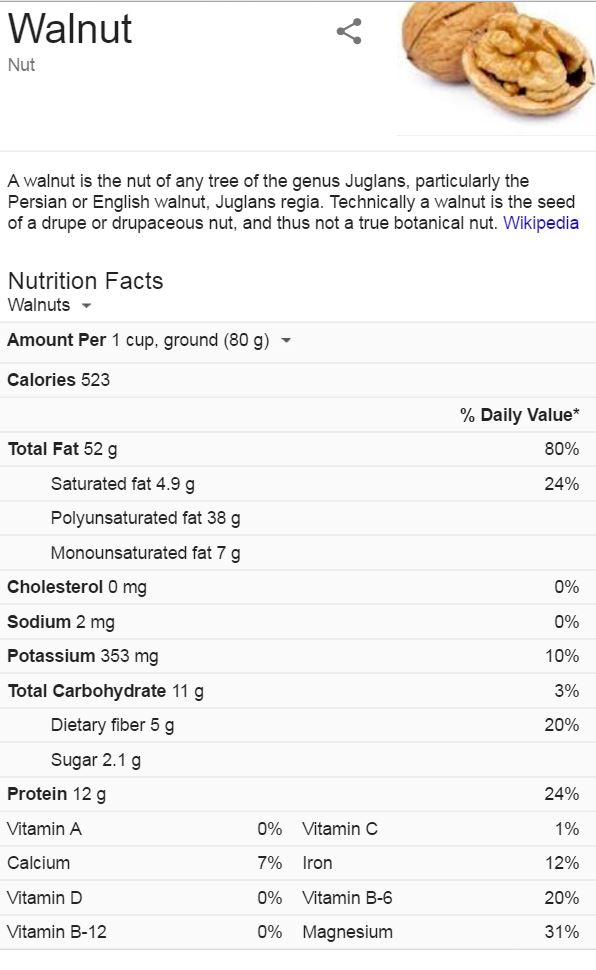
Raw Walnut
- Researchers are convinced—more than ever before—about the nutritional benefits of walnuts when consumed in whole form, including the skin. We now know that approximately 90% of the phenols in walnuts are found in the skin, including key phenolic acids, tannins, and flavonoids. Some websites will encourage you to remove the walnut skin—that whitish, sometimes waxy, sometimes flaky, outermost part of shelled walnuts. There can be slight bitterness to this skin, and that’s often the reason that websites give for removing it. However, we encourage you not to remove this phenol-rich portion.
- The form of vitamin E found in walnuts is somewhat unusual, and particularly beneficial. Instead of having most of its vitamin E present in the alpha-tocopherol form, walnuts provide an unusually high level of vitamin E in the form of gamma-tocopherol. Particularly in studies on the cardiovascular health of men, this gamma-tocopherol form of vitamin E has been found to provide significant protection from heart problems.
- Most U.S. adults have yet to discover the benefits of walnuts. A recent study has determined that only 5.5% of all adults (ages 19-50) consume tree nuts of any kind! This small percentage of people actually do a pretty good job of integrating tree nuts (including walnuts) into their diet, and average about 1.25 ounces of tree nuts per day. But the other 94.5% of us report no consumption of tree nuts whatsoever. In a recent look at the nutritional differences between tree nut eaters and non-eaters, researchers have reported some pretty notable findings: on a daily average, tree nut eaters take in 5 grams more fiber, 260 milligrams more potassium, 73 more milligrams of calcium, 95 more milligrams of magnesium, 3.7 milligrams more vitamin E, and 157 milligrams less sodium!
- Many of us can go local for our supply of walnuts. According to the latest trade statistics, 38% of all walnuts are grown in the U.S. Of that 38%, the vast majority (almost 90%) come from California, and particularly from the San Joaquin and Sacramento Valleys. Buying walnuts closer to home can provide great benefits from the standpoint of sustainability.
- Phytonutrient research on the antioxidant and anti-inflammatory benefits of walnuts has moved this food further and further up the ladder of foods that are protective against metabolic syndrome, cardiovascular problems, and type 2 diabetes. Some phytonutrients found in walnuts—for example, the quinone juglone—are found in virtually no other commonly-eaten foods. Other phytonutrients—like the tannin tellimagrandin or the flavonol morin—are also rare and valuable as antioxidants and anti-inflammatory nutrients. These anti-inflammatory and antioxidant phytonutrients also help explain the decreased risk of certain cancers—including prostate cancer and breast cancer—in relationship to walnut consumption.
Coconut oil
They contain Medium Chain Triglycerides (MCTs) – which are fatty acids of a medium length. Most of the fatty acids in the diet are long-chain fatty acids, but the medium-chain fatty acids in coconut oil are metabolized differently. They go straight to the liver from the digestive tract, where they are used as a quick source of energy or turned into so-called ketones, which can have therapeutic effects on brain disorders like epilepsy and Alzheimer’s.
The medium-chain triglycerides (MCTs) in coconut oil can increase how many calories you burn compared to the same amount of other fats. One study found that 15-30 grams of MCTs per day increased 24 hour energy expenditure by 5%, totalling about 120 calories per day.
The fatty acids and breakdown products in coconut oil can kill harmful pathogens, potentially helping to prevent infections.
Another study in 14 healthy men discovered that those who ate the most MCTs at breakfast ate fewer calories at lunch.
Because the MCTs in coconut oil get shipped to the liver and turned into ketones, they are often used in epileptic patients to induce ketosis while allowing for a bit more carbs in the diet.
Studies in both humans and rats show that coconut oil improves important risk factors like Total, LDL and HDL cholesterol, which may translate to a reduced risk of heart disease.
Sesame seeds
- Manganese – 0.7 mg. 35% RDA.
- Copper – 0.7 mg. 35% RDA.
- Calcium – 277 mg. 28% RDA.
- Iron – 4.1 mg. 23% RDA.
- Magnesium – 99.7 mg. 25% RDA.
- Tryptophan – 93 mg.
- Zinc – 2 mg. 13% RDA.
- Fiber – 3.9 g. 16% RDA.
- Thiamin – 0.2 mg. 15% RDA.
- Vitamin B6 – 0.2 mg. 11% RDA.
- Phosphorous – 179 mg. 18% RDA.
- Protein – 4.7 g.
- Promote Healthy, Beautiful Skin – Sesame seeds are full of zinc, an essential mineral for producing collagen and giving skin more elasticity. Zinc also helps damaged tissues in the body to repair. Sesame oil is also known to sooth burns and prevent skin related disorders.
- Great for High-Protein Vegetarian Diet – Sesame seeds offer 4.7 grams of protein per ounce, giving them a perfect place in a high-protein vegetarian diet.
- Sesame Seed Oil for Oral Health – One of the most prominent benefits of sesame seeds and sesame oil revolves around removing dental plaque and boosting oral health. By engaging in an activity known as oil pulling, which involves swishing oil around in your mouth, you can boost oral health and even whiten your teeth. One study showcases the oil pulling benefits on the oral level, where oil pulling with sesame oil was shown to reduce the amount of streptococcus mutants in both teeth plaque and mouth saliva, and boost overall health. (Click the next link to find out what oil pulling is and learn of oil pulling benefits).
- Helps Prevent Diabetes – Thanks to magnesium and other nutrients, sesame seeds, and especially sesame oil, has been shown to combat diabetes. One study, published in 2011 in the American Journal of Clinical Nutrition, found that sesame oil “improved the effectiveness of the oral antidiabetic drug glibenclamide in type 2 diabetic patients”. Another study concluded that “substitution of sesame oil as the sole edible oil has an additive effect in further lowering BP and plasma glucose in hypertensive diabetics”.
- Reduces Blood Pressure – As the above study concludes, sesame oil has been shown to lower blood pressure in hypertensive diabetics. Additionally, magnesium has been shown to help lower blood pressure – and sesame seeds are loaded with magnesium.
- Promotes Heart Health – Further adding to the health benefits of sesame seeds, sesame seed oil can boost heart health by preventing atherosclerotic lesions. An antioxidant and anti-inflammatory compound known as sesamol, which also harnesses anti-atherogenic properties, is thought to be one reason for the beneficial effects. According to GreenMedInfo, sesamol has been shown to “possess over two dozen beneficial pharmacologically active properties, many of which may contribute to improving cardiovascular health”.
- Protects Against DNA Damage from Radiation – Sesamol, a compound found in sesame seeds and sesame oil, has been shown in some studies to protect against DNA damaged caused by radiation. Further, sesamol has been shown to extend life in mice treated with radiation, partly by preventing damage to the intestines and the spleen.
- Prevents Cancer – Not only do sesame seeds contain an anti-cancer compound called phytate, but the magnesium in sesame seeds also harness anti-cancer properties. One study published in the American Journal of Clinical Nutrition found that the risk of colorectal tumors decreased by 13% and the risk of colorectal cancer decreased by 12% for every 100 mg of magnesium taken in.
- Boosts Bone Health – In addition to promoting healthy skin, zinc has also been shown to boost bone mineral density and bone health as a whole. One study, published in the American Journal of Clinical Nutrition, found a correlation between zinc deficiency and osteoporosis in the hip and spine area. What’s more, sesame seeds are a great source of calcium – a known trace mineral that is essential for bone health and preventing related conditions.
- Boosting Digestive Health, Relieving Constipation – Sesame seeds are rich in fiber, which is known to pave way for a healthy digestive system and a healthy colon.
- Provides Relief from Rheumatoid Arthritis – A mineral that is important for anti-inflammatory and antioxidant enzyme systems, copper is known for reducing pain and swelling associated with arthritis. Additionally, this mineral helps provide strength to blood vessels, bones, and joints.
- Promotes Respiratory Health, Prevents Asthma – Thanks to the magnesium, sesame seeds are able to prevent asthma by and other respiratory disorders by preventing airway spasms.
- ——————
Citrus fruits
Citrus fruits have long been valued as part of a nutritious and tasty diet. The flavours provided by citrus are among the most preferred in the world, and it is increasingly evident that citrus not only tastes good, but is also good for people. It is well established that citrus and citrus products are a rich source of vitamins, minerals and dietary fibre (non-starch polysaccharides) that are essential for normal growth and development and overall nutritional well-being. However, it is now beginning to be appreciated that these and other biologically active, non-nutrient compounds found in citrus and other plants (phytochemicals) can also help to reduce the risk of many chronic diseases. Where appropriate, dietary guidelines and recommendations that encourage the consumption of citrus fruit and their products can lead to widespread nutritional benefits across the population.
MORE THAN VITAMIN C: THE NUTRIENT CONTENT AND FUNCTIONS OF CITRUS
Citrus is most commonly thought of as a good source of vitamin C. However, like most other whole foods, citrus fruits also contain an impressive list of other essential nutrients, including both glycaemic and non-glycaemic carbohydrate (sugars and fibre), potassium, folate, calcium, thiamin, niacin, vitamin B6, phosphorus, magnesium, copper, riboflavin, pantothenic acid and a variety of phytochemicals. In addition, citrus contains no fat or sodium and, being a plant food, no cholesterol. The average energy value of fresh citrus is also low (see Table), which can be very important for consumers concerned about putting on excess body weight. For example a medium orange contains 60 to 80 kcal, a grapefruit 90 kcal and a tablespoon (15 ml) of lemon juice only 4 kcal (Whitney and Rolfes, 1999).
Nutritional facts about citrus fruit
|
Orange |
Grapefruit |
Tangerine |
|
|
Weight (g) |
131 |
236 |
84 |
|
Energy (kcal) |
62 |
78 |
37 |
|
Fibre content (g) |
3.1 |
2.5 |
1.7 |
|
Ascorbic acid (mg) |
70 |
79 |
26 |
|
Folate (mcg) |
40 |
24 |
17 |
|
Potassium (mg) |
237 |
350 |
132 |
Connie’s comments: Coconut oil and sesame oil are two oils for women to keep a beautiful skin. My grandma helped relieve my cousin’s tumorous skin with garlic and coconut oil. She uses garlic for animal bites and a 100 more uses. Do not eat grapefruit when on medication as it potentiates (doubles the strength) the meds.