408-854-1883 starts at $30 per hr home care

Affordable in home care | starts at $28 per hr

Pubmed: Dietary modification may affect inflammatory processes

carotenoidI recommend eating colored fruits and vegetables. There are dietary supplements that have anti-aging properties as they contain carotenoid. Below are Pubmed information about inflammation and dietary modifications (foods/supplements rich in carotenoids, tocopherols, anti-oxidants).

For products to help reduce inflammation, go to:

http://clubalthea.pxproducts.com/products-2

Email motherhealth@gmail.com to personalize supplementation based on your health.

Connie Dello Buono

Br J Nutr. 2014 Oct;112(8):1341-52. doi: 10.1017/S0007114514001962.

Patterns of dietary intake and serum carotenoid and tocopherol status are associated with biomarkers of chronic low-grade systemic inflammation and cardiovascular risk.

Wood AD1, Strachan AA1, Thies F1, Aucott LS1, Reid DM1, Hardcastle AC2, Mavroeidi A3, Simpson WG1, Duthie GG4, Macdonald HM1.

Author information

 Abstract

Dietary modification may affect inflammatory processes and protect against chronic disease. In the present study, we examined the relationship between dietary patterns, circulating carotenoid and tocopherol concentrations, and biomarkers of chronic low-grade systemic inflammation in a 10-year longitudinal study of Scottish postmenopausal women. Diet was assessed by FFQ during 1997-2000 (n 3237, mean age 54·8 (sd 2·2) years). Participants (n 2130, mean age 66·0 (sd 2·2) years) returned during 2007-11 for follow-up. Diet was assessed by FFQ (n 1682) and blood was collected for the analysis of serum high-sensitivity C-reactive protein (hs-CRP), IL-6, serum amyloid A, E-selectin, lipid profile and dietary biomarkers (carotenoids, tocopherols and retinol). Dietary pattern and dietary biomarker (serum carotenoid) components were generated by principal components analysis. A past ‘prudent’ dietary pattern predicted serum concentrations of hs-CRP and IL-6 (which decreased across the quintiles of the dietary pattern; P= 0·002 and P= 0·001, respectively; ANCOVA). Contemporary dietary patterns were also associated with inflammatory biomarkers. The concentrations of hs-CRP and IL-6 decreased across the quintiles of the ‘prudent’ dietary pattern (P= 0·030 and P= 0·006, respectively). hs-CRP concentration increased across the quintiles of a ‘meat-dominated’ dietary pattern (P= 0·001). Inflammatory biomarker concentrations decreased markedly across the quintiles of carotenoid component score (P< 0·001 for hs-CRP and IL-6, and P= 0·016 for E-selectin; ANCOVA). Prudent dietary pattern and carotenoid component scores were negatively associated with serum hs-CRP concentration (unstandardised β for prudent component: – 0·053, 95 % CI – 0·102, – 0·003; carotenoid component: – 0·183, 95 % CI – 0·233, – 0·134) independent of study covariates. A prudent dietary pattern (which reflects a diet high in the intakes of fish, yogurt, pulses, rice, pasta and wine, in addition to fruit and vegetable consumption) and a serum carotenoid profile characteristic of a fruit and vegetable-rich diet are associated with lower concentrations of intermediary markers that are indicative of CVD risk reduction.

PMID: 25313576 [PubMed – in process]

 J Nutr Biochem. 2014 Sep 16. pii: S0955-2863(14)00168-5. doi: 10.1016/j.jnutbio.2014.07.004. [Epub ahead of print]

Preventive supplementation with fresh and preserved peach attenuates CCl4-induced oxidative stress, inflammation and tissue damage.

Gasparotto J1, Somensi N2, Bortolin RC2, Girardi CS2, Kunzler A2, Rabelo TK2, Schnorr CE2, Moresco KS2, Bassani VL3, Yatsu FK3, Vizzotto M4, Raseira MD4, Zanotto-Filho A2, Moreira JC2, Gelain DP2.

Author information

 Abstract

The present study was elaborated to comparatively evaluate the preventive effect of different peach-derived products obtained from preserved fruits (Syrup and Preserve Pulp Peach [PPP]) and from fresh peels and pulps (Peel and Fresh Pulp Peach [FPP]) in a model of liver/renal toxicity and inflammation induced by carbon tetrachloride (CCl4) in rats. Tissue damage (carbonyl, thiobarbituric acid reactive species and sulfhydril), antioxidant enzymes activity (catalase and superoxide dismutase) and inflammatory parameters [tumor necrosis factor (TNF)-α and interleukin (IL)-1β levels, and receptor for advanced glycation end-products (RAGE) and nuclear factor (NF)κB-p65 immunocontent] were investigated. Our findings demonstrated that Peel, PPP and FPP (200 or 400 mg/kg) daily administration by oral gavage for 30 days conferred a significant protection against CCl4-induced antioxidant enzymes activation and, most importantly, oxidative damage to lipids and proteins as well as blocked induction of inflammatory mediators such as TNF-α, IL-1β, RAGE and NFκB. This antioxidant/anti-inflammatory effect seems to be associated with the abundance of carotenoids and polyphenols present in peach-derived products, which are enriched in fresh-fruit-derived preparations (Peel and FPP) but are also present in PPP. The Syrup – which was the least enriched in antioxidants – displayed no protective effect in our experiments. These effects cumulated in decreased levels of transaminases and lactate dehydrogenase leakage into serum and maintenance of organ architecture. Therefore, the herein presented results show evidence that supplementation with peach products may be protective against organ damage caused by oxidative stress, being interesting candidates for production of antioxidant-enriched functional foods.

Copyright © 2014. Published by Elsevier Inc.

Nutr Res. 2014 Jul 18. pii: S0271-5317(14)00117-1. doi: 10.1016/j.nutres.2014.07.010. [Epub ahead of print]

Carotenoids, inflammation, and oxidative stress-implications of cellular signaling pathways and relation to chronic disease prevention.

Kaulmann A1, Bohn T2.

Author information

 Abstract

Several epidemiologic studies have shown that diets rich in fruits and vegetables reduce the risk of developing several chronic diseases, such as type 2 diabetes, atherosclerosis, and cancer. These diseases are linked with systemic, low-grade chronic inflammation. Although controversy persists on the bioactive ingredients, several secondary plant metabolites have been associated with these beneficial health effects. Carotenoids represent the most abundant lipid-soluble phytochemicals, and in vitro and in vivo studies have suggested that they have antioxidant, antiapoptotic, and anti-inflammatory properties. Recently, many of these properties have been linked to the effect of carotenoids on intracellular signaling cascades, thereby influencing gene expression and protein translation. By blocking the translocation of nuclear factor κB to the nucleus, carotenoids are able to interact with the nuclear factor κB pathway and thus inhibit the downstream production of inflammatory cytokines, such as interleukin-8 or prostaglandin E2. Carotenoids can also block oxidative stress by interacting with the nuclear factor erythroid 2-related factor 2 pathway, enhancing its translocation into the nucleus, and activating phase II enzymes and antioxidants, such as glutathione-S-transferases. In this review, which is organized into in vitro, animal, and human investigations, we summarized current knowledge on carotenoids and metabolites with respect to their ability to modulate inflammatory and oxidative stress pathways and discuss potential dose-health relations. Although many pathways involved in the bioactivity of carotenoids have been revealed, future research should be directed toward dose-response relations of carotenoids, their metabolites, and their effect on transcription factors and metabolism.

J Neuroinflammation. 2014 Jul 1;11:117. doi: 10.1186/1742-2094-11-117.

Cerebrospinal fluid levels of inflammation, oxidative stress and NAD+ are linked to differences in plasma carotenoid concentrations.

Guest J, Grant R1, Garg M, Mori TA, Croft KD, Bilgin A.

Author information

 Abstract

BACKGROUND:

The consumption of foods rich in carotenoids that possess significant antioxidant and inflammatory modulating properties has been linked to reduced risk of neuropathology. The objective of this study was to evaluate the relationship between plasma carotenoid concentrations and plasma and cerebrospinal fluid (CSF) markers of inflammation, oxidative stress and nicotinamide adenine dinucleotide (NAD+) in an essentially healthy human cohort.

METHODS:

Thirty-eight matched CSF and plasma samples were collected from consenting participants who required a spinal tap for the administration of anaesthetic. Plasma concentrations of carotenoids and both plasma and cerebrospinal fluid (CSF) levels of NAD(H) and markers of inflammation (IL-6, TNF-α) and oxidative stress (F2-isoprostanes, 8-OHdG and total antioxidant capacity) were quantified.

RESULTS:

The average age of participants was 53 years (SD=20, interquartile range=38). Both α-carotene (P=0.01) and β-carotene (P<0.001) correlated positively with plasma total antioxidant capacity. A positive correlation was observed between α-carotene and CSF TNF-α levels (P=0.02). β-cryptoxanthin (P=0.04) and lycopene (P=0.02) inversely correlated with CSF and plasma IL-6 respectively. A positive correlation was also observed between lycopene and both plasma (P<0.001) and CSF (P<0.01) [NAD(H)]. Surprisingly no statistically significant associations were found between the most abundant carotenoids, lutein and zeaxanthin and either plasma or CSF markers of oxidative stress.

CONCLUSION:

Together these findings suggest that consumption of carotenoids may modulate inflammation and enhance antioxidant defences within both the central nervous system (CNS) and systemic circulation. Increased levels of lycopene also appear to moderate decline in the essential pyridine nucleotide [NAD(H)] in both the plasma and the CSF.

PMID: 24985027 [PubMed – in process] PMCID: PMC4096526 Free PMC Article


Glob Adv Health Med. 2014 Mar;3(2):34-9. doi: 10.7453/gahmj.2013.098.

A Phytochemical-rich Multivitamin-multimineral Supplement Is Bioavailable and Reduces Serum Oxidized Low-density Lipoprotein, Myeloperoxidase, and Plasminogen Activator Inhibitor-1 in a Four-week Pilot trial of Healthy Individuals.

Lerman RH1, Desai A1, Lamb JJ1, Chang JL1, Darland G1, Konda VR2.

Author information

 BACKGROUND:

A multivitamin-multimineral supplement combined with a diverse blend of bioactive phytochemicals may provide additional antioxidant capacity and anti-inflammatory property for overall health. This convenient feature may be useful for individuals who want to increase their intake of phytochemicals.

METHODS:

We conducted a pilot study in 15 healthy individuals (8 women and 7 men, mean age 41.7±14.9 years, mean body mass index 28.0±5.6) to investigate the effects of this novel formulation on biomarkers associated with oxidative stress and inflammation. After a 2-week diet that limited intake of fruits and vegetables to 2 servings/day, participants continued with the same restricted diet but began consuming 2 tablets of the study product for the subsequent 4 weeks. Fasting blood samples collected at Week 2 and Week 6 were analyzed and compared using paired t-tests for levels of carotenoids, folate, vitamin B12, homocysteine, oxidized low-density lipoprotein cholesterol (oxLDL), high-sensitivity C-reactive protein (hs-CRP), F2-isoprostane, plasminogen activator inhibitor-1 (PAI-1), and myeloperoxidase. Noninvasive peripheral arterial tonometry (EndoPAT) was also measured.

RESULTS:

After 4 weeks of supplementation, plasma levels of carotenoids, folate, and vitamin B12, but not homocysteine, were significantly increased (P<.05). Serum levels of oxLDL, PAI-1 and myeloperoxidase were significantly reduced (P<.05), but F2-isoprostane, hs-CRP, and EndoPAT measures were unchanged compared with baseline. The study product was well tolerated.

CONCLUSIONS:

This nutritional supplement is bioavailable as indicated by the significant increase in plasma carotenoids, vitamin B12, and folate levels and may provide health benefits by significantly reducing serum levels of oxLDL, myeloperoxidase, and PAI-1 in healthy individuals.

KEYWORDS:

Multivitamin; cardiovascular disease; low-density lipoprotein; multimineral

PMID: 24808980 [PubMed] PMCID: PMC4010963 [Available on 2015/3/1]

J Surg Res. 2014 Nov;192(1):206-13. doi: 10.1016/j.jss.2014.05.029. Epub 2014 May 21.

Astaxanthin offers neuroprotection and reduces neuroinflammation in experimental subarachnoid hemorrhage.

Zhang XS1, Zhang X2, Wu Q1, Li W1, Wang CX1, Xie GB1, Zhou XM1, Shi JX1, Zhou ML3.


BACKGROUND:

Neuroinflammation has been proven to play a crucial role in early brain injury pathogenesis and represents a target for treatment of subarachnoid hemorrhage (SAH). Astaxanthin (ATX), a dietary carotenoid, has been shown to have powerful anti-inflammation property in various models of tissue injury. However, the potential effects of ATX on neuroinflammation in SAH remain uninvestigated. The goal of this study was to investigate the protective effects of ATX on neuroinflammation in a rat prechiasmatic cistern SAH model.

METHODS:

Rats were randomly distributed into multiple groups undergoing the sham surgery or SAH procedures, and ATX (25 mg/kg or 75 mg/kg) or equal volume of vehicle was given by oral gavage at 30 min after SAH. All rats were sacrificed at 24 h after SAH. Neurologic scores, brain water content, blood-brain barrier permeability, and neuronal cell death were examined. Brain inflammation was evaluated by means of expression changes in myeloperoxidase, cytokines (interleukin-1β, tumor necrosis factor-α), adhesion molecules (intercellular adhesion molecule-1), and nuclear factor kappa B DNA-binding activity.

RESULTS:

Our data indicated that post-SAH treatment with high dose of ATX could significantly downregulate the increased nuclear factor kappa B activity and the expression of inflammatory cytokines and intercellular adhesion molecule-1 in both messenger RNA transcription and protein synthesis. Moreover, these beneficial effects lead to the amelioration of the secondary brain injury cascades including cerebral edema, blood-brain barrier disruption, neurological dysfunction, and neuronal degeneration.

CONCLUSIONS:

These results indicate that ATX treatment is neuroprotective against SAH, possibly through suppression of cerebral inflammation.

Nutr J. 2013 Dec 5;12(1):157. doi: 10.1186/1475-2891-12-157.

Extracellular micronutrient levels and pro-/antioxidant status in trauma patients with wound healing disorders: results of a cross-sectional study.

Blass SC, Goost H, Burger C, Tolba RH, Stoffel-Wagner B, Stehle P, Ellinger S1.

Abstract

BACKGROUND:

Disorders in wound healing (DWH) are common in trauma patients, the reasons being not completely understood. Inadequate nutritional status may favor DWH, partly by means of oxidative stress. Reliable data, however, are lacking. This study should investigate the status of extracellular micronutrients in patients with DWH within routine setting.

METHODS:

Within a cross-sectional study, the plasma/serum status of several micronutrients (retinol, ascorbic acid, 25-hydroxycholecalciferol, α-tocopherol, β-carotene, selenium, and zinc) were determined in 44 trauma patients with DWH in addition to selected proteins (albumin, prealbumin, and C-reactive protein; CRP) and markers of pro-/antioxidant balance (antioxidant capacity, peroxides, and malondialdehyde). Values were compared to reference values to calculate the prevalence for biochemical deficiency. Correlations between CRP, albumin and prealbumin, and selected micronutrients were analyzed by Pearson’s test. Statistical significance was set at P < 0.05.

RESULTS:

Mean concentrations of ascorbic acid (23.1 ± 15.9 μmol/L), 25-hydroxycholecalciferol (46.2±30.6 nmol/L), β-carotene (0.6 ± 0.4 μmol/L), selenium (0.79±0.19 μmol/L), and prealbumin (24.8 ± 8.2 mg/dL) were relatively low. Most patients showed levels of ascorbic acid (<28 μmol/L; 64%), 25-hydroxycholecalciferol (<50 μmol/L; 59%), selenium (≤ 94 μmol/L; 71%) and β-carotene (<0.9 μmol/L; 86%) below the reference range. Albumin and prealbumin were in the lower normal range and CRP was mostly above the reference range. Plasma antioxidant capacity was decreased, whereas peroxides and malondialdehyde were increased compared to normal values. Inverse correlations were found between CRP and albumin (P < 0.05) and between CRP and prealbumin (P < 0.01). Retinol (P < 0.001), ascorbic acid (P < 0.01), zinc (P < 0.001), and selenium (P < 0.001) were negatively correlated with CRP.

CONCLUSIONS:

Trauma patients with DWH frequently suffer from protein malnutrition and reduced plasma concentrations of several micronutrients probably due to inflammation, increased requirement, and oxidative burden. Thus, adequate nutritional measures are strongly recommended to trauma patients.

PMID: 24314073 [PubMed – indexed for MEDLINE] PMCID: PMC4028853

J Biomed Biotechnol. 2012;2012:524019. doi: 10.1155/2012/524019. Epub 2012 Oct 2.

Antioxidant, antinociceptive, and anti-inflammatory effects of carotenoids extracted from dried pepper (Capsicum annuum L.).

Hernández-Ortega M1, Ortiz-Moreno A, Hernández-Navarro MD, Chamorro-Cevallos G, Dorantes-Alvarez L, Necoechea-Mondragón H.

Abstract

Carotenoids extracted from dried peppers were evaluated for their antioxidant, analgesic, and anti-inflammatory activities. Peppers had a substantial carotenoid content: guajillo 3406 ± 4 μg/g, pasilla 2933 ± 1 μg/g, and ancho 1437 ± 6 μg/g of sample in dry weight basis. A complex mixture of carotenoids was discovered in each pepper extract. The TLC analysis revealed the presence of chlorophylls in the pigment extract from pasilla and ancho peppers. Guajillo pepper carotenoid extracts exhibited good antioxidant activity and had the best scavenging capacity for the DPPH(+) cation (24.2%). They also exhibited significant peripheral analgesic activity at 5, 20, and 80 mg/kg and induced central analgesia at 80 mg/kg. The results suggest that the carotenoids in dried guajillo peppers have significant analgesic and anti-inflammatory benefits and could be useful for pain and inflammation relief.

PMID: 23091348 [PubMed – indexed for MEDLINE] PMCID: PMC3468166

Biochimie. 2012 Dec;94(12):2723-33. doi: 10.1016/j.biochi.2012.08.013. Epub 2012 Aug 24.

A dietary colorant crocin mitigates arthritis and associated secondary complications by modulating cartilage deteriorating enzymes, inflammatory mediators and antioxidant status.

Hemshekhar M1, Sebastin Santhosh M, Sunitha K, Thushara RM, Kemparaju K, Rangappa KS, Girish KS.

Abstract

Articular cartilage degeneration and inflammation are the hallmark of progressive arthritis and is the leading cause of disability in 10-15% of middle aged individuals across the world. Cartilage and synovium are mainly degraded by either enzymatic or non-enzymatic ways. Matrix metalloproteinases (MMPs), hyaluronidases (HAases) and aggrecanases are the enzymatic mediators and inflammatory cytokines and reactive oxygen species being non-enzymatic mediators. In addition, MMPs and HAases generated end-products act as inflammation inducers via CD44 and TLR-4 receptors involved NF-κB pathway. Although several drugs have been used to treat arthritis, numerous reports describe the side effects of these drugs that may turn fatal. On this account several medicinal plants and their isolated molecules have been involved in modern medicine strategies to fight against arthritis. In view of this, the present study investigated the antiarthritic potentiality of Crocin, a dietary colorant carotenoid isolated from stigma of Crocus sativus. Crocin effectively neutralized the augmented serum levels of enzymatic (MMP-13, MMP-3 and MMP-9 and HAases) and non-enzymatic (TNF-α, IL-1β, NF-κB, IL-6, COX-2, PGE(2) and ROS) inflammatory mediators. Further, Crocin re-established the arthritis altered antioxidant status of the system (GSH, SOD, CAT and GST). It also protected the bone resorption by inhibiting the elevated levels of bone joint exoglycosidases, cathepsin-D and tartrate resistant acid phosphatases. Taken together, Crocin revitalized the arthritis induced cartilage and bone deterioration along with inflammation and oxidative damage that could be accredited to its antioxidant nature. Thus, Crocin could be an effective antiarthritic agent which can equally nullify the arthritis associated secondary complication.

Cell Stress Chaperones. 2014 Mar;19(2):183-91. doi: 10.1007/s12192-013-0443-x. Epub 2013 Jul 14.

Astaxanthin reduces hepatic endoplasmic reticulum stress and nuclear factor-κB-mediated inflammation in high fructose and high fat diet-fed mice.

Bhuvaneswari S1, Yogalakshmi B, Sreeja S, Anuradha CV.

Abstract

We recently showed that astaxanthin (ASX), a xanthophyll carotenoid, activates phosphatidylinositol 3-kinase pathway of insulin signaling and improves glucose metabolism in liver of high fructose-fat diet (HFFD)-fed mice. The aim of this study is to investigate whether ASX influences phosphorylation of c-Jun-N-terminal kinase 1 (JNK1), reactive oxygen species (ROS) production, endoplasmic reticulum (ER) stress, and inflammation in liver of HFFD-fed mice. Adult male Mus musculus mice were fed either with control diet or HFFD for 15 days. After this period, mice in each group were divided into two and administered ASX (2 mg/kg/day, p.o) in 0.3 ml olive oil or 0.3 ml olive oil alone for the next 45 days. At the end of 60 days, liver tissue was excised and examined for lipid accumulation (Oil red O staining), intracellular ROS production, ER stress, and inflammatory markers. Elevated ROS production, lipid accumulation, and increased hepatic expression of ER stress markers such as Ig-binding protein, PKR-like ER kinase, phosphorylated eukaryotic initiation factor 2α, X-box binding protein 1, activating transcription factor 6, and the apoptotic marker caspase 12 were observed in the liver of the HFFD group. ASX significantly reversed these changes. This reduction was accompanied by reduced activation of JNK1 and I kappa B kinase β phosphorylation and nuclear factor-kappa B p65 nuclear translocation in ASX-treated HFFD mice. These findings suggest that alleviation of inflammation and ER stress by ASX could be a mechanism responsible for its beneficial effect in this model. ASX could be a promising treatment strategy for insulin resistant patients.

PMID: 23852435 [PubMed – indexed for MEDLINE] PMCID: PMC3933623

Clin Nutr. 2012 Oct;31(5):659-65. doi: 10.1016/j.clnu.2012.01.013. Epub 2012 Feb 25.

Higher serum concentrations of dietary antioxidants are associated with lower levels of inflammatory biomarkers during the year after hip fracture.

D’Adamo CR1, Miller RR, Shardell MD, Orwig DL, Hochberg MC, Ferrucci L, Semba RD, Yu-Yahiro JA, Magaziner J, Hicks GE.


BACKGROUND & AIMS:

Chronic inflammation impairs recovery among the 1.6 million people who suffer from hip fracture annually. Vitamin E and the carotenoids are two classes of dietary antioxidants with profound anti-inflammatory effects, and the goal of this study was to assess whether higher post-fracture concentrations of these antioxidants were associated with lower levels of interleukin 6 (IL-6) and the soluble receptor for tumor necrosis factor-alpha (sTNF-αR1), two common markers of inflammation.

METHODS:

Serum concentrations of the dietary antioxidants and inflammatory markers were assessed at baseline and 2, 6, and 12 month follow-up visits among 148 hip fracture patients from The Baltimore Hip Studies. Generalized estimating equations modeled the relationship between baseline and time-varying antioxidant concentrations and inflammatory markers.

RESULTS:

Higher post-fracture concentrations of vitamin E and the carotenoids were associated with lower levels of inflammatory markers. Associations were strongest at baseline, particularly between the α-tocopherol form of vitamin E and sTNF-αR1 (p = 0.05) and total carotenoids and both sTNF-αR1(p = 0.01) and IL-6 (p = 0.05). Higher baseline and time-varying α-carotene and time-varying lutein concentrations were also associated with lower sTNF-αR1 at all post-fracture visits (p ≤ 0.05).

CONCLUSIONS:

These findings suggest that a clinical trial increasing post-fracture intake of vitamin E and the carotenoids may be warranted.

Copyright © 2012 Elsevier Ltd and European Society for Clinical Nutrition and Metabolism. All rights reserved.

PMID: 22365613 [PubMed – indexed for MEDLINE] PMCID: PMC3412071

Mar Drugs. 2012 Apr;10(4):890-9. doi: 10.3390/md10040890. Epub 2012 Apr 10.

Astaxanthin treatment reduced oxidative induced pro-inflammatory cytokines secretion in U937: SHP-1 as a novel biological target.

Speranza L1, Pesce M, Patruno A, Franceschelli S, de Lutiis MA, Grilli A, Felaco M.

Abstract

It has been suggested that oxidative stress activates various intracellular signaling pathways leading to secretion of a variety of pro-inflammatory cytokines and chemokines. SHP-1 is a protein tyrosine phosphatase (PTP) which acts as a negative regulator of immune cytokine signaling. However, intracellular hydrogen peroxide (H(2)O(2)), generated endogenously upon stimulation and exogenously from environmental oxidants, has been known to be involved in the process of intracellular signaling through inhibiting various PTPs, including SHP-1. In this study, we investigated the potential role of astaxanthin, an antioxidant marine carotenoid, in re-establishing SHP-1 negative regulation on pro-inflammatory cytokines secretion in U-937 cell line stimulated with oxidative stimulus. ELISA measurement suggested that ASTA treatment (10 µM) reduced pro-inflammatory cytokines secretion (IL-1β, IL-6 and TNF-α) induced through H(2)O(2), (100 µM). Furthermore, this property is elicited by restoration of basal SHP-1 protein expression level and reduced NF-κB (p65) nuclear expression, as showed by western blotting experiments.

KEYWORDS:

SHP-1 protein; astaxanthin; carotenoids; inflammation

PMID: 22690149 [PubMed – indexed for MEDLINE] PMCID: PMC3366681

Mol Cell Biol. 2012 Dec;32(24):5103-15. doi: 10.1128/MCB.00820-12. Epub 2012 Oct 15.

Retinol-binding protein 4 induces inflammation in human endothelial cells by an NADPH oxidase- and nuclear factor kappa B-dependent and retinol-independent mechanism.

Farjo KM1, Farjo RA, Halsey S, Moiseyev G, Ma JX.

Abstract

Serum retinol-binding protein 4 (RBP4) is the sole specific vitamin A (retinol) transporter in blood. Elevation of serum RBP4 in patients has been linked to cardiovascular disease and diabetic retinopathy. However, the significance of RBP4 elevation in the pathogenesis of these vascular diseases is unknown. Here we show that RBP4 induces inflammation in primary human retinal capillary endothelial cells (HRCEC) and human umbilical vein endothelial cells (HUVEC) by stimulating expression of proinflammatory molecules involved in leukocyte recruitment and adherence to endothelium, including vascular cell adhesion molecule 1 (VCAM-1), intercellular adhesion molecule 1 (ICAM-1), E-selectin, monocyte chemoattractant protein 1 (MCP-1), and interleukin-6 (IL-6). We demonstrate that these novel effects of RBP4 are independent of retinol and the RBP4 membrane receptor STRA6 and occur in part via activation of NADPH oxidase and NF-κB. Importantly, retinol-free RBP4 (apo-RBP4) was as potent as retinol-bound RBP4 (holo-RBP4) in inducing proinflammatory molecules in both HRCEC and HUVEC. These studies reveal that RBP4 elevation can directly contribute to endothelial inflammation and therefore may play a causative role in the development or progression of vascular inflammation during cardiovascular disease and microvascular complications of diabetes.

PMID: 23071093 [PubMed – indexed for MEDLINE] PMCID: PMC3510526


Congress shall make no law that applies to the citizens of the United States that does not apply equally to the Senators

Viral message quotes a proposed 28th Amendment to the U.S. Constitution, to wit: “Congress shall make no law that applies to the citizens of the United States that does not apply equally to the Senators and/or Representatives.”

Current Health News: Fatal Opioid ODs on the Rise Among U.S. Teens

President Obama defeats Trump at Twitter using love 

Impeach so called President and his white supremacists

Help us kick Nazis and white supremacists OUT of the White House →

Fire Trump's White Supremacists


Connie,

It is absolutely UNACCEPTABLE that hundreds of thousands of taxpayer dollars are paying the salaries of white supremacists employed by Donald Trump. 

Steve Bannon, Jeff Sessions, and Sebastian Gorka all have long histories stained with white supremacist actions and rhetoric.

And Donald Trump has embraced them all. 

It’s DESPICABLE — and we’re determined to get them fired. Help us reach 50,000 grassroots signatures DEMANDING the immediate firing of Trump’s white supremacists:

SIGN ON: FIRE Trump’s white supremacists →

Here’s a brief summary of the white supremacist cretins that Trump has surrounded himself with:

— Sebastian Gorka is a proud member of a Nazi-aligned Hungarian extremist organization.[1]
— Steve Bannon promoted white supremacy as a founding member of the alt-right Breitbart News.
— And Jeff Sessions was deemed “TOO RACIST” to be admitted as a federal Judge.

These are the people Donald Trump chose to serve in his administration and whose salaries WE taxpayers have to pay.

Trump has given hatred and racism a platform and a voice on the mainstage. And as a direct result, we witnessed the tragic death of an innocent young woman last weekend by the hand of Nazi rioters.

We don’t know what else there is to say.

Grassroots progressives MUST stand together and demand the immediate firing of these despicable, racist individuals.

Help us collect 50,000 signatures for our petition to FIRE Trump’s white supremacists:

http://go.turnoutpac.org/Fire-White-Supremacists

Hatred has no home in America. Help us prove that,

– The Progressive Turnout Project

How to know if your supplements are working for you?

Do you have energy? Do you have good bowel movement? Are your eyes clear and not pale? Are your skin not dry? There are many signs that can tell you if your body is healthy or needing a boost from whole foods, supplementation and exercise.

Not all supplements are created equal.  Iron rich foods/supplements need to be taken in the morning while calcium rich foods/supplements should be taken in the afternoon. Vitamin E rich foods pair well with Vitamin E supplements. Same for water soluble vitamins/minerals. I do not recommend iron since sugar and iron are food for cancer cells. Do eat your colored fruits and vegetables.

I take my supplements of calcium, magnesium and other herbs to help me sleep.  Every other day, I would take my supplements rich in anti-oxidants , Vitamin E, C and B complex.  I know that I have good bowel movement and I can sleep well when I take my dietary supplements, exercise and eat whole foods.

There are many ways to know if your supplements are helping your body.  A scanner, created by NIH, can measure your anti-oxidants, the carotenoid. At early stage, this can also be a good indicator how well your body can fight any future cancer.

Below is a document describing the measurement of dermal carotenoid in breast cancer clinical trial.

BreastCancerclinicals_general_RamanSpectroscopicMeasurementsOfDermalCarotenoidsInBreastCancerOperatedPatients

Observe your energy, sleep patterns, bowel movement, skin texture, eyes, mouth, and other signs that your body is telling you about your health.

Your health spa, doctor or health/gym coach can use a scanner to measure your anti-oxidant level.

Email Connie at motherhealth@gmail.com for more info on measuring your health and monitoring it.

http://clubalthea.pxproducts.com/scanner

pxproducts

So called President appeased his bigoted supporters

connie,

We’re still heartbroken and disgusted by this weekend’s events in Charlottesville.

In the immediate aftermath, we waited for the President to condemn the neo-Nazis and white supremacist terrorist groups responsible for the violence.

But Trump REFUSED to even mention the perpetrators by name:

This is SICKENING.

And connie, this wasn’t an off-the-cuff, misinterpreted statement. Just yesterday, Trump made it emphatically clear that he defends the most extreme faction of his base:

Trump’s response has enraged millions. We need to know where you stand:

Do you approve of Trump’s response to the Charlottesville attacks?

NO → YES →

Unsure →The sad truth is, the terrorist groups responsible for the horrific attacks in Charlottesville are growing.

In fact, there are currently 917 active hate groups operating across the country.[1]

But rather than address the saturation of hate groups or surge of hate crimes nationwide, Trump has chosen to equate the actions of violent Nazis to the protesters of this vile racism.

What Trump doesn’t seem to understand is that when it comes to fighting Nazis, there are NOT many sides.

connie, it’s clear Trump is turning a blind eye to the wave of hatred, bigotry, and discrimination in our country to appease his extremist supporters.

But we won’t let him get with lying to the American people. Will you take our poll immediately to let us know your thoughts?

http://go.fightforequality.org/Do-You-Approve

Thanks for standing up to hate,

Equality PAC

Washington Post 8-16-2017

PowerPost • Analysis
The Daily 202: False moral equivalency is not a bug of Trumpism. It’s a feature.
From the alt-right to Putin and the Clintons, Trump’s “both sides” conceit is nothing new.
By James Hohmann  •  Read more »
Obama’s response to Charlottesville violence is the most liked tweet in Twitter’s history
“No one is born hating another person because of the color of his skin or his background or his religion,” Obama said, quoting Nelson Mandela.
By Kristine Phillips  •   Read more »
Baltimore hauls away four Confederate monuments after overnight removal
The predawn removal of four monuments comes days after white nationalist rallies in Charlottesville.
By Fenit Nirappil  •   Read more »
The Post’s View • Opinion
The nation can only weep
In his remarks Tuesday, the president showed his true feelings and deepened the nation’s wounds after Charlottesville.
By Editorial Board  •   Read more »
‘Clinically insane,’ ‘7th circle of hell’: Late-night hosts process Trump’s news conference
For the second night in a row, Stephen Colbert, Seth Meyers and the others did not hold back.
By Emily Yahr  •   Read more »
Right Turn • Opinion
Republicans, cut the outrage. It’s time to disown Trump.
Mere words are insufficient — and insufferable.
By Jennifer Rubin  •   Read more »
Opinion
President Trump must go
Every day he remains in office is a victory for the extremists.
By David Rothkopf  •   Read more »
The Plum Line • Opinion
Everyone working for Trump knows his Charlottesville response is an abomination
And they will be stained by all that is to come.
By Greg Sargent  •   Read more »
Trump tried to save their jobs. These workers are quitting anyway.
Factory workers are leaving their jobs at the highest rate in a decade.
By Danielle Paquette  •   Read more »
Made by History • Analysis
Who are the antifa?
President Trump equated them with white supremacists. Here’s why he’s wrong.
By Mark Bray  •   Read more »
Also Popular in Politics
Politics • Analysis
Trump puts a fine point on it: He sides with the alt-right in Charlottesville
Trump compared counterprotesters without a permit and George Washington to the Nazis and Robert E. Lee.
By Philip Bump  •  Read more »
Also Popular in Opinions
Why slippery slope arguments should not stop us from removing Confederate monuments
The case for removing them does not imply that we should also remove monuments to the Founding Fathers and other historical figures actually worthy of honor.
By Ilya Somin  •  Read more »
Also Popular in Local
Lincoln Memorial vandalized with red spray paint
The graffiti appeared to say “[expletive] law,” according to the National Park Service.
By Justin Wm. Moyer  •  Read more »
Also Popular in Sports
ESPN apologizes for player ‘auction’ during fantasy football marathon
The network was criticized for being apparently oblivious to the poor optics and racial dynamics of the segment.
By Des Bieler  •  Read more »
Also Popular in National
Trump again blamed ‘both sides’ in Charlottesville. Here’s how politicians are reacting.
As clashes in Charlottesville between white nationalists and counterprotesters became violent, here’s what lawmakers are saying about the event.
By Kevin Uhrmacher  •  Read more »

Nominate your best doctor in the bay area


← Back

Thank you for your response. ✨

Family Medicine

Paul D. Abramson, MD
450 Sutter St., Ste. 840 San Francisco, 415-963-4431
California Pacific Medical Center California Campus

Renee Armstrong, MD
Chronic illness, women’s health, diabetes, preventive medicine
510 Doyle Park Dr. Santa Rosa, 707-526-1800
Sutter Medical Center of Santa Rosa, Chanate Campus

Gary B. Birnbaum, MD 
1580 Valencia St., Ste. 201 San Francisco, 415-550-0811
California Pacific Medical Center St. Luke’s Campus

Jeffrey H. Gee, MD 
1500 Southgate Ave., Ste. 102 Daly City, 650-755-3000
Seton Medical Center

Kevin L. Grumbach, MD
1569 Sloat Blvd., Ste. 333 San Francisco, 415-353-9339
San Francisco General Hospital

Ruth E. Hoddinott, MD
1800 Sullivan Ave., Ste. 106 Daly City, 650-301-0500
Seton Medical Center

Susan R. Hsu, MD 
Preventive medicine
2287 Mowry Ave., Ste. C Fremont, 510-793-2645
Washington Hospital

Sophia N. Mirviss, MD
1 Shrader St., Ste. 578 San Francisco, 415-876-5762
St. Mary’s Medical Center San Francisco

Daniel Eli Roth, MD 
1 Shrader St., Ste. 578 San Francisco, 415-876-5762
St. Mary’s Medical Center San Francisco

Catherine E. Shanahan, MD
Nutrition, preventive medicine, sports medicine, thyroid disorders
1100 Trancas St., Ste. 350 Napa, 707-251-3681
Queen of the Valley Hospital

Richard Alan Young, MD 
1 Baywood Ave., Ste. 10 San Mateo, 650-342-2974
Mills-Peninsula Medical Center


Hospice and Palliative 

Steven Z. Pantilat, MD
Palliative care
521 Parnassus Ave., San Francisco, 415-476-9019
UCSF Medical Center

Christine S. Ritchie, MD
Palliative care
3333 California St., Ste. 380 San Francisco, 415-502-0951
UCSF Medical Center


Geriatrician

Susan D. Joseph, MD
22 W. 39th Ave. San Mateo, 650-573-2426
San Mateo Medical Center

Peter Pompei, MD 
211 Quarry Rd., Ste. 402 Palo Alto, 650-725-5222
Stanford University Hospital & Clinics

Daniel Pound, MD 
Preventive medicine, osteoporosis, palliative care
3575 Geary Blvd. San Francisco, 415-353-4900
UCSF Medical Center

Shelley R. Salpeter, MD 
Palliative care
34 N. San Mateo Dr., Ste. 1 San Mateo, 650-344-5509
Mills-Peninsula Medical Center

Joyce S. Tenover, MD, PhD 
Polypharmacology, dementia, depression
3801 Miranda Ave. Palo Alto, 650-493-5000
VA Health Care System, Palo Alto

Louise C. Walter, MD 
4150 Clement St. San Francisco, 415-221-4810
San Francisco VA Medical Center

Carolyn Welty, MD
Memory disorders, depression, falls in the elderly, nutrition
3575 Geary Blvd. San Francisco, 415-353-4900
UCSF Medical Center


Neurology

Gary M. Abrams, MD 
Neurorehabilitation, stroke, developmental disorders, trauma
400 Parnassus Ave., Fl. 8 San Francisco, 415-353-2273
UCSF Medical Center

Bruce T. Adornato, MD 
Stroke, peripheral neuropathy, sleep disorders and apnea
326 Bryant St. Palo Alto, 650-324-4300
Stanford University Hospital & Clinics

Gregory W. Albers, MD 
Cerebrovascular disease, stroke, clinical trials 300 Pasteur Dr., A301, MC 5325 Stanford, 650-723-4448
Stanford University Hospital & Clinics

Michael J. Aminoff, MD 
Movement disorders, Parkinson’s disease
400 Parnassus Ave., Fl. 8, Rm. M795 San Francisco, 415-353-2273
UCSF Medical Center

John W. Engstrom, MD 
Peripheral neuropathy, spinal cord disorders
400 Parnassus Ave., Fl. 8, Rm. M795 San Francisco, 415-353-2273
UCSF Medical Center

Robert S. Fisher, MD
Epilepsy and seizure disorders
300 Pasteur Dr., Rm. A301, MC 5325 Stanford, 650-498-7551
Stanford University Hospital & Clinics

Douglas S. Goodin, MD 
Multiple sclerosis
1500 Owens St., Ste. 320 San Francisco, 415-353-4709
UCSF Medical Center

Christian Guilleminault, MD 
Sleep disorders and apnea
450 Broadway St., Pavilion B Redwood City, 650-723-6601
Stanford University Hospital & Clinics

Victor W. Henderson, MD 
Alzheimer’s disease, dementia, memory disorders
300 Pasteur Dr., Fl. 3 Stanford, 650-723-6469
Stanford University Hospital & Clinics

  1. William Langston, MD 
    Parkinson’s disease, movement disorders, tremor
    675 Almanor Ave. Sunnyvale, 408-542-5633
    Parkinson’s Institute and Clinical Center

Frank M. Longo, MD, PHD 
Alzheimer’s disease, Huntington’s disease
300 Pasteur Dr., Fl. 3 Stanford, 650-723-6469
Stanford University Hospital & Clinics

Jaime Lopez, MD 
Botox therapy, electromyography, clinical neurophysiology
300 Pasteur Dr., A301, MS 5325 Stanford, 650-723-6469
Stanford University Hospital & Clinics

William J. Marks Jr., MD
Movement disorders, Parkinson’s disease
1635 Divisadero St., Ste. 520 San Francisco, 415-353-2311
UCSF Medical Center at Mount Zion

Martha J. Morrell, MD 
Epilepsy, epilepsy in women
300 Pasteur Dr., Fl. 3 Stanford, 650-498-7551
Stanford University Hospital & Clinics

Jill Ostrem, MD 
Movement disorders, Parkinson’s disease
1635 Divisadero St., Ste. 520 San Francisco, 415-353-2311
UCSF Medical Center at Mount Zion

Wade S. Smith, MD, PHD 
Stroke, back and shoulder pain, vascular neurology
400 Parnassus Ave., Fl. 8, San Francisco, 415-353-1489
UCSF Medical Center

Caroline M. Tanner, MD, PHD 
Parkinson’s disease, movement disorders, dystonia
4150 Clement St., Rm. 127P San Francisco, 415-379-5530
San Francisco VA Medical Center

James W. Tetrud, MD 
Movement disorders, Parkinson’s disease, tremor
675 Almanor Ave. Sunnyvale, 408-734-2800
El Camino Hospital

Bradley T. WrubeL, MD 
Neuromuscular disorders, electrodiagnosis, clinical neurophysiology
2850 Telegraph Ave., Ste. 110 Berkeley, 510-204-8140
Alta Bates Summit Medical Center, Alta Bates Campus

Robyn Gail Young, MD 
Lupus and SLE, autoimmune disease, multiple sclerosis, movement disorders
985 Atlantic Ave., Ste. 300 Alameda, 510-748-5363
Alta Bates Summit Medical Center, Oakland

Internal Med

Robert B. Baron, MD
Nutrition, weight management, preventive medicine, obesity
1701 Divisadero St., Ste. 500 San Francisco, 415-353-7999
UCSF Medical Center at Mount Zion

Brian J. Candell, MD
Preventive medicine
1 Country Club Plaza Orinda, 925-254-3805
Alta Bates Summit MediCal Center, Alta Bates Campus

Julie T. Chen, MD
Integrative medicine, preventive medicine
2101 Forest Ave., Ste. 220A San Jose, 408-295-8628
Pain Care of Silcon Valley

Catharine T. Clark-Sayles, MD
Geriatric medicine
1341 S. Eliseo Dr., Ste. 200 Greenbrae, 415-464-8176
Marin General Hospital

Mary Marshall Cooke, MD
HIV/AIDS 1701 Divisadero St., Ste. 500 San Francisco, 415-353-7999
UCSF Medical Center at Mount Zion

Samuel Dong, MD 
2844 Summit St., Ste. 105 Oakland, 510-452-3342
Alta Bates Summit Medical Center, Alta Bates Campus

Nicola B. Hanchock, MD 
Geriatric care
2850 Telegraph Ave., Ste. 120 Berkeley, 510-204-8110
Alta Bates Summit Medical Center, Alta Bates Campus

Margot B. Kushel, MD 
Chronic illness, geriatric care
1001 Potrero Ave. San Francisco, 415-206-8655
San Francisco General Hospital

Dianne C. Martin, MD
Infectious disease
2191 Mowry Ave., Ste. 500C Fremont, 510-790-1045
Washington Hospital

Daniel H. Null, MD
1701 Divisadero St., Ste. 500 San Francisco, 415-353-7999
UCSF Medical Center at Mount Zion

Suzanne Pertsch, MD
34 N. San Mateo Dr., Ste. 1 San Mateo, 650-344-5509
Mills-Peninsula Medical Center

Michal W. Rabow, MD
Palliative care
1545 Divisadero St., Fl. 2 San Francisco, 415-353-7900
UCSF Medical Center at Mount Zion

Kevin Saitowitz, MD
Geriatric medicine
2186 Geary Blvd., Ste. 311 San Francisco, 415-921-5300
California Pacific Medical Center Davies Campus

Robert Kerr Sandberg, MD
418 30th St., Ste. A Oakland, 510-208-5200
Alta Bates Summit Medical Center, Oakland

Jeffrey A. Tice, MD
1545 Divisadero St., Fl. 2 San Francisco, 415-353-7900
UCSF Medical Center at Mount Zion

Cecilia W. Wan, MD
1501 Trousdale Dr., Fl. 3 Burlingame, 650-652-8500
Mills-Peninsula Medical Center

Sarah Watson, MD
Concierge medicine
1706 El Camino Real, Ste. 200 Menlo Park, 650-391-0500
Stanford University Hospital & Clinics

Scott Herring Wood, MD
Preventive medicine
401 Burgess Dr., Ste. B Menlo Park, 650-325-9955


Sports Medicine

Ty Affleck, MD 
Sports injuries, dance and ballet injuries, primary care sports medicine
1255 N. Dutton Ave. Santa rosa, 707-546-9400
Sutter Medical Center of Santa Rosa, Chanate Campus

Christina R. Allen, MD 
Shoulder replacement, elbow surgery, shoulder injuries, knee injuries
1500 Owens St., Fl. 2 San Francisco, 415-353-2808
UCSF Medical Center

Kambiz Behzadi, MD 
Arthroscopic surgery, trauma, shoulder injuries
5601 Norris Canyon Rd., Ste. 130 San Ramon, 925-275-1133
Valleycare Health System

Anthony Cho-Chak Luke, MD 
Shoulder injuries, primary care sports medicine
1500 Owens St., Fl. 2 San Francisco, 415-353-2808
UCSF Medical Center

  1. Benjamin Ma, MD
    Shoulder surgery, knee surgery, arthroscopic surgery, elbow surgery
    1500 Owens St. San Francisco, 415-353-2808
    UCSF Medical Center

Chad A. Roghair, MD 
Musculoskeletal injuries, concussion
25 Orinda Way, Ste. 100 Berkeley, 510-704-7760
California Sports and Orthopaedic Institute


Endocrinology, Diabetes, and Metabolism

Haruko Akatsu, MD
Thyroid cancer, thyroid disorders, diabetes, metabolic disorders
300 Pasteur Dr., Ste. A175 Stanford, 650-723-6961
Stanford University Hospital & Clinics

Randall A. Ammon, MD
Diabetes, cholesterol and lipid disorders, osteoporosis, pituitary disorders
1 Country Club Plaza Orinda, 925-254-3805
Alta Bates Summit Medical Center, Alta Bates Campus

Karen E. Earle, MD
Diabetes, thyroid disorders, pituitary disorders
1375 Sutter St., Ste. 208 San Francisco, 415-600-0110
California Pacific Medical Center Pacific Campus

Paul A. Fitzgerald, MD
Thyroid disorders, diabetes, pheochromocytoma, pituitary tumors
350 Parnassus Ave., Ste. 710 San Francisco, 415-665-1136
UCSF Medical Center

Linda M. Gaudiani, MD 
Diabetes
900 S. Eliseo Dr, Ste. 201 Greenbrae, 415-461-1780
Marin General Hospital

Andrew R. Hoffman, MD 
Pituitary disorders, pituitary tumors, neuroendocrinology
300 Pasteur Dr., A175 MC5303 Stanford, 650-723-6961
Stanford University Hospital & Clinics

Laurence Katznelson, MD 
Pituitary disorders, acromegaly, Cushing’s syndrome, neuroendocrine tumors
300 Pasteur Dr., Fl. 3 Stanford, 650-736-2062
Stanford University Hospital & Clinics

David C. Klonoff, MD
Diabetes
1720 El Camino Real, Ste. 165 Burlingame, 650-697-4345
Mills-Peninsula Medical Center

Elizabeth J. Murphy, MD, PHD
1001 Potrero Ave., Rm. 3501K San Francisco, 415-353-2350
San Francisco General Hospital

Beatty H. Ramsay Jr., MD 
100 S. Ellsworth Ave., Ste. 700 San Mateo, 650-347-0063
Mills-Peninsula Medical Center

Robert J. Rushakoff, MD 
Diabetes
1600 Divisadero St., Ste. C431 San Francisco, 415-885-3868
UCSF Medical Center at Mount Zion

Kenneth A. Woeber, MD 
Thyroid disorders
2200 Post St., Ste. C432, San Francisco, 415-885-7574
UCSF Medical Center at Mount Zion

George H. Cohen, MD
Preventive cardiology, mitral valve disease, heart failure
1501 Trousdale Dr., Fl. 2 Burlingame, 650-652-8600
Mills-Peninsula Medical Center

Teresa De Marco, MD 
Pulmonary hypertension, heart transplant medicine
400 Parnassus Ave., Rm. A094 San Francisco, 415-353-9088
UCSF Medical Center

John S. Edelen, MD 
Angioplasty and stent placement, interventional cardiology
3300 Webster St., Ste. 410 Oakland, 510-549-4220
Alta Bates Summit Medical Center, Alta Bates Campus

Kent N. Gershngorn, MD 
Noninvasive cardiology, heart attack, coronary artery disease
2 Bon Air Rd., Ste. 100 Larkspur, 415-927-0666
Marin General Hospital

Jeffey J. Guttas, MD 
Preventive cardiology, cardiovascular imaging
100 S. San Mateo Dr., Ste. 400 San Mateo, 650-696-4100
Mills-Peninsula Medical Center

Sharon Ann Hunt, MD 
Heart transplant medicine
300 Pasteur Dr., CVRB 265 Stanford, 650-498-6605
Stanford University Hospital & Clinics

Ann K. Kao, MD 
Preventive cardiology, noninvasive cardiology
2 Bon Air Rd., Ste. 100 Larkspur, 415-927-0666
Marin General Hospital

Remo Lucio Morelli, MD
Arrhythmias, preventive cardiology
1 Shrader St., Ste. 600 San Francisco, 415-666-3220
St. Mary’s Medical Center San Francisco

Tania Nanevicz, MD
Heart disease in women, heart failure, cardiac imaging
1501 Trousdale Ave., Bldg. B, Fl. 2 Burlingame, 650-652-8600
Mills-Peninsula Medical Center

Rita F. Redberg, MD
Echocardiography, heart disease in women, preventive cardiology
535 Mission Bay Blvd. S. San Francisco, 415-353-2873
UCSF Medical Center

Ingela Schnittger, MD
Echocardiography, transesophageal echocardiography
300 Pasteur Dr., MC 5319 A260 Stanford, 650-723-5196
Stanford University Hospital & Clinics

Pramodh S. Sidhu, MD
5201 Norris Canyon Rd., Ste. 220
San Ramon, 925-277-1900
San Ramon Regional Medical Center

Joel Sklar, MD
Preventive cardiology, noninvasive cardiology
2 Bon Air Rd., Ste. 100 Larkspur, 415-927-0666
Marin General Hospital

David A. Vaughan, MD
Preventive cardiology, cholesterol and lipid disorders, hypertension
1800 Sullivan Ave., Ste. 207 Daly City, 650-992-0463
Seton Medical CenterAllergy & Immunology

Daniel Chazan Adelman, MD
Allergy, asthma, drug allergy
400 Parnassus Ave., Fl. 5 San Francisco, 415-353-2725
UCSF Medical Center

Joann C. Blessing-Moore, MD
Asthma and allergy, pulmonary disease
101 S. San Mateo Dr., Ste. 311 San Mateo, 650-696-8236
Mills-Peninsula Medical Center

Robert C. Bocian, MD 
Asthma, nasal, and sinus disorders, skin allergies, food and drug allergy
795 El Camino Real Palo Alto, 650-853-2981
Sutter Roseville Medical Center

Anita Carmen Choy, MD 
Asthma and allergy, drug allergy, food allergy
211 Quarry Rd., Ste. 106, MC 5996 Palo Alto, 650-322-3847
Stanford University Hospital & Clinics

Nancy P. Cummings-Beim, MD
Food allergy, asthma, pediatric allergy and immunology
1300 Crane St. Menlo Park, 650-498-6652
Stanford University Hospital & Clinics

Andrew C. Engler, MD 
Allergy, asthma
290 Baldwin Ave. San Mateo, 650-343-4597
Allergy & Asthma Clinic

Michael A. Lenoir, MD
Asthma, allergy
2940 Summit St., Ste. 1 Oakland, 510-834-4897
Alta Bates Summit Medical Center, Alta Bates Campus

Matthew John Lodewick, MD
2305 Camino Ramon, Ste. 225 San Ramon, 925-327-1460
John Muir Medical Center

Steven B. Machtinger, MD
Asthma, food allergy and anaphylaxis, pediatric allergy and immunology
100 S. Ellsworth Ave., Ste. 707 San Mateo, 650-696-8230
Mills-Peninsula Medical Center

James A. Nickelsen, MD
Allergic rhinitis, anaphylaxis, allergy, urticaria
3010 Colby St., Ste. 221 Berkeley, 510-644-2316
Alta Bates Summit Medical Center, Alta Bates Campus

Bruce F. Paterson, MD
Asthma, allergic rhinitis
2485 High School Ave., Ste. 127 Concord, 925-685-3033
John Muir Medical Center

Vivian E. Saper, MD
Autoimmune disease, asthma and allergy, pediatric allergy and immunology, pediatric rheumatology
100 S. Ellsworth Ave., Ste. 707 San Mateo, 650-696-8230
Mills-Peninsula Medical Center

Schuman Tam, MD
Allergy, asthma, autoimmune disease
6850 Geary Blvd. San Francisco, 415-751-6800
St. Mary’s Medical Center San Francisco


Would there never even be a statue of Donald J. Trump?

Donald Trump, from His Tower, Rages at “the Other Side” in Charlottesville

At a press briefing that was supposed to be about infrastructure, Trump tossed aside his previous condemnation of white nationalists like an ill-fitting suit.

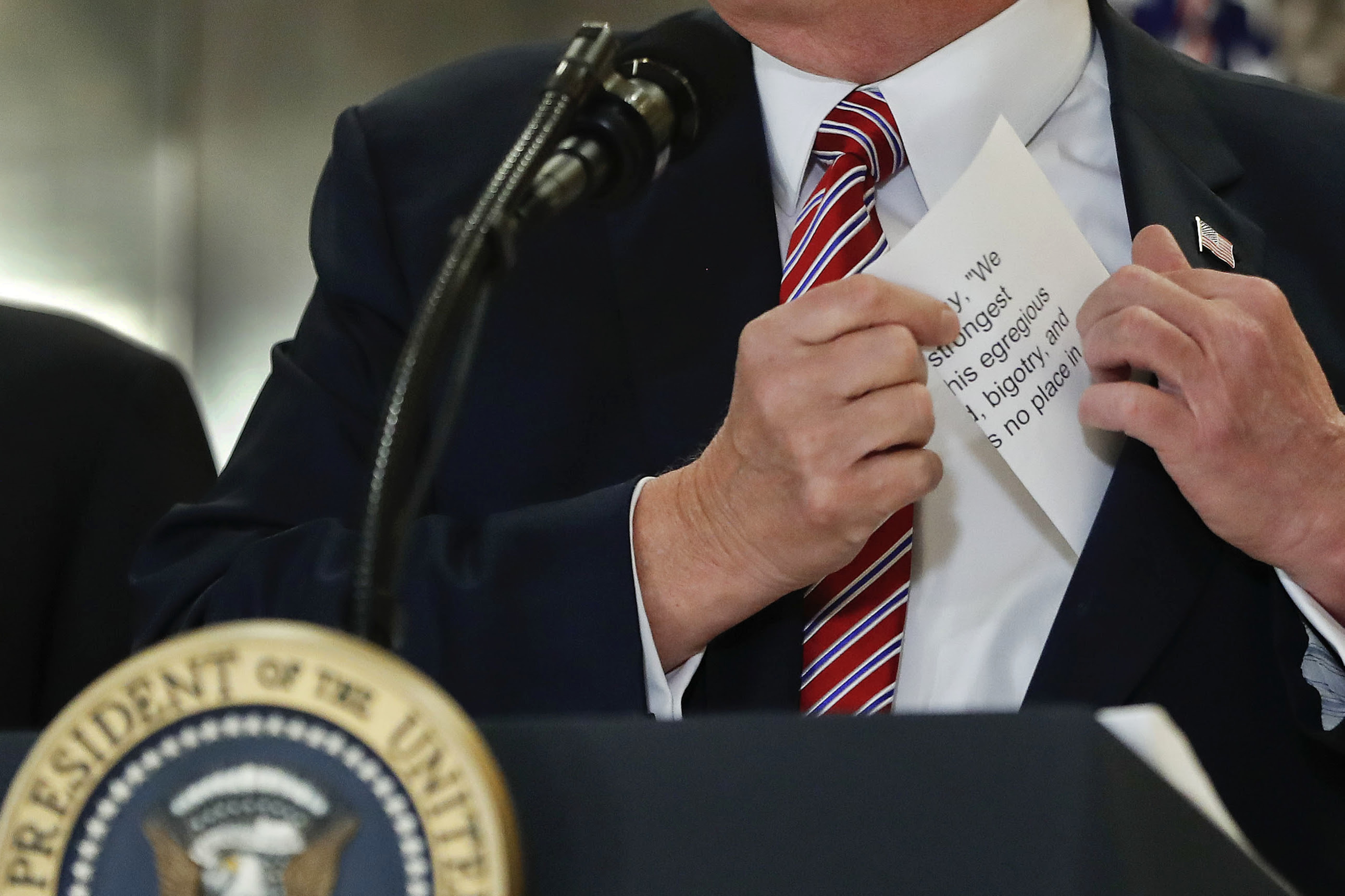
Photograph by Pablo Martinez Monsivais / AP

“Wait a minute, I’m not finished. I’m not finished, Fake News,” President Donald Trump said at a press conference, on Tuesday. He was using fake news as an epithet, directed at a reporter who had asked about Senator John McCain’s admonition about the wider influence of “alt-right” forces, which McCain had connected to the “Unite the Right” rally that, with its white-nationalist and neo-Nazi displays, had set off a weekend of violence in Charlottesville, Virginia. Trump began by asking if the reporter was talking about the same Senator McCain who had voted against his side on Obamacare, and then continued by asking, “What about the alt-left that came charging at the, as you say, the alt-right? Do they have any semblance of guilt? Let me ask you this: What about the fact that they came charging with clubs in their hands, swinging clubs, do they have any problem? I think they do.” This was a repeat of the first comment he had made, on Saturday, in reaction toCharlottesville, placing undifferentiated blame on “many sides,” never mind the swastikas. He had revised that, on Monday, with a grudgingly delivered statement of what ought to have been obvious: that white supremacy and Nazism are bad ideologies. Now, in a couple of lines, he had tossed that aside, like an ill-fitting suit. But, as he said, he wasn’t finished. Trump kept talking, in louder, uglier terms.

“You had a group on one side that was bad and you had a group on the other side that was also very violent. And nobody wants to say that. But I’ll say that right now.” The bad group was the white nationalists; the “very violent” group was those who had come to object. In case anyone missed his point, he continued, “You had a group on the other side that came charging in—without a permit—and they were very, very violent.” Trump wasn’t putting the two sides on the same level; he was saying that the counter-protesters were worse.

His outrage at the counter-protesters’ lack of a permit stood out all the more, given that he had spent the beginning of the briefing, which was meant to be about infrastructure and was held in the lobby of Trump Tower, complaining about how permits slowed down him and other builders. He promised to do away with as many as he could. Not that he had ever been held back; he knew how to get the permits he needed. That was one of the instances in the press conference when his native narcissism caused him to ramble; another was when he began talking about how he’d heard that “the young woman”—Heather Heyer, age thirty-two—who was among the counter-protesters and was killed when someone drove a car into their ranks, was a fine person, and that the person charged with killing her had done something “horrible,” but he ended up just going on about how her mother had said “the nicest things” about him, Trump. The media, he said, didn’t appreciate his niceness. (Later, Trump acknowledged that he had not yet reached out to Heyer’s family.)

As this story has played out, what has been striking is how put upon the President has seemed to feel when asked to condemn neo-Nazis. At the press conference, he kept insisting that this was a matter of being responsible—all the facts weren’t in yet. All the facts still aren’t in, but the swastikas and the Confederate flags were out from the first moment. The only way Trump wouldn’t have seen them is if he didn’t want to or didn’t care, or perhaps he viewed them with political opportunism, emblems of a base to be catered to. All those explanations—that he is indifferent; that he is calculating—remain on the table. The press conference added another possibility: that his judgment is, and perhaps always will be, consumed by his own sense of resentment. When he realized that his statement on Monday had been found wanting, he tweeted, “Made additional remarks on Charlottesville and realize once again that the News Media will never be satisfied . . . truly bad people!” ‬

On Tuesday, that media wanted to know if Trump was, as one reporter put it, saying that the alt-left was “the same” as neo-Nazis. Trump erupted again. “I’ve condemned neo-Nazis. I’ve condemned many different groups,” he said. “But not all of those people were neo-Nazis. Believe me. Not all of those people were white supremacists. By any stretch.” He continued, “Those people were also there because they wanted to protest the taking down of the statue of Robert E. Lee.” He said that if the press were honest—“which in many cases you’re not”—they would see it his way. And, he added, with a note of dismay, “This week it’s Robert E. Lee, and I notice that Stonewall Jackson is coming down. I wonder, is it George Washington next week, and is it Thomas Jefferson the week after? Ask yourself, where does it stop?”

One might note that Robert E. Lee took up arms against the United States government, the one that George Washington put his life on the line to build. It is true that our history is full of figures who are flawed, but endure. Lee, though, is not a symbol of our values whose life does not match the ideals he is purported to embody; he is a symbol of the betrayal of those ideals. He is our worse self. And if there is not a constant conversation challenging our idols—an effort to look for our better angels, to borrow Lincoln’s phrase—if statues never come down, or new ones stop going up, then we have, in some way, stopped trying to be a more perfect Union. The organizers of the “Unite the Right” rally in Charlottesville had not gathered out of some architectural-preservationist urge: they were there for ideological reasons.

Trump acknowledged, again, that some of those people were bad, but he also said, again, “You also had people that were very fine people—on both sides . . . you had people in that group who were there to protest the taking down of, to them, a very, very important statue and the renaming of a park from Robert E. Lee to another name.” Trump didn’t pause to ask why the statue of Robert E. Lee would be so very, very important, nor did he mention the other name: Emancipation Park. Instead, he had reduced a moral crossroads for the country to a question of naming rights. Standing in front of reporters, Trump came across as an angry man sheltered by a building bearing his own name in big, gold letters. But for how long? Tenants in some buildings have already asked to have the “Trump” taken off. Where would it stop? Would there, perhaps, never even be a statue of Donald J. Trump?

  • Amy Davidson Sorkin is a New Yorker staff writer.

Dan Rather said this President is some of the most chaotic we’ve ever seen

Equality PACDan Rather:

“What we have is the weakest, most chaotic, toxic and confusing first six months of any U.S. Presidency in history.”

I AGREE →
connie,

Since Trump first took office, the White House has been in utter CHAOS:

— Trump still hasn’t gotten ANY major legislation passed.
— He continues to hire and fire staff faster than ANY Administration in history.
— And his bumbling tweets and leaked phone calls have made us the laughing stock of the world.

There’s no dignity to the Trump Administration. That’s why we agree with Dan Rather:

SIGN YOUR NAME IF YOU AGREE →

connie, we aren’t the only ones who agree with Mr. Rather:

The latest polls show that Trump’s empty promises, selfish policy ideas, and out of control Twitter habits have affected the views of Americans across the nation.

These past six months have been, like Dan Rather said, some of the most chaotic we’ve ever seen under ANY president.

It’s vital that we know where you stand. Click below if you agree with Dan Rather:

I AGREE →

http://go.fightforequality.org/I-Agree-Dan-Rather

Thanks for all you do,

Equality PAC